Europe warns of Russia’s hybrid attacks but struggles to counter them
  Former chief election commissioner calls SIR scheme illegal.
  A Corruption Scandal Is Reshaping Brazil’s Presidential Election
  US citizen injured in Illinois after ICE agents mistook him for fugitive, tried to arrest him
  At 10 years old, Smithsonian’s Black museum is undaunted amid pressure from Trump administration
 Middle East Tensions Surge: Saudi Arabia and Bahrain Issue High-Alert Missile Warnings Hours After Ceasefire Announcement
** In a dramatic escalation of Middle East tensions, Saudi Arabia and Bahrain have issued high-alert missile warnings hours after a US-brokered ceasefire was announced. The proposed truce aims to ease mounting tensions between Israeli and Iranian forces, but experts caution that success depends on a range of factors, including the willingness of both sides to compromise.
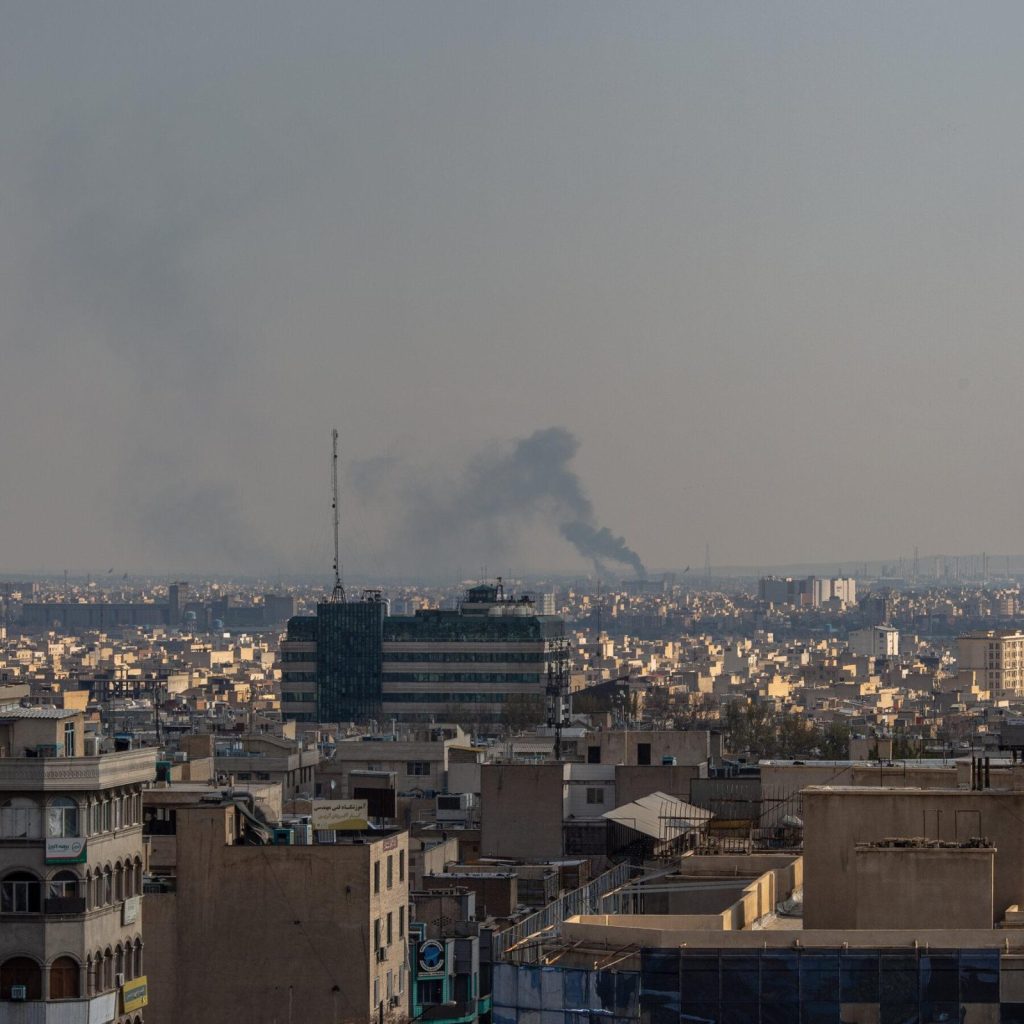
A sudden escalation of tensions in the Middle East has left regional powers on high alert, following a dramatic surge in missile activity hours after a proposed US-brokered ceasefire was announced. The warning sirens in Saudi Arabia, Bahrain, and Kuwait sounded mere hours after US President Donald Trump unveiled a plan for a temporary truce between Israeli and Iranian forces. The tense situation has raised eyebrows worldwide, leaving many wondering whether the proposed ceasefire will ultimately hold.
According to reports from the region, multiple missile alerts were triggered in Saudi Arabia, Bahrain, and Kuwait on Friday evening local time, prompting residents to flee shelters and emergency services to spring into action. The high alert has also prompted neighboring Israel to go on maximum alert, with residents advised to remain indoors and follow evacuation instructions. It’s unclear at this point whether any actual missiles were launched or whether the alerts were a false alarm.
The proposed ceasefire, which is expected to be temporary, aims to ease mounting tensions between Israeli and Iranian forces in the Middle East. The plan was announced by US President Donald Trump on Friday, following days of escalating violence between the two nations. While details of the proposed agreement remain scarce, it’s clear that both sides have significant concerns about the plan’s feasibility.
In related news, the Israeli Defense Forces announced earlier this week that it had launched a series of air strikes against Iranian targets in Syria, in an effort to disrupt what it claimed were ongoing plans to build secret missile facilities in the war-torn country. Iran has denied the claims, stating that the attacks were ‘baseless’ and aimed at destabilizing the region.
Regional experts have welcomed the proposed ceasefire, citing its potential to reduce the risk of a wider conflict in the Middle East. However, they also caution that success will depend on a range of factors, including the willingness of both sides to compromise on key issues.
While details of the proposed ceasefire remain under wraps, sources close to the negotiations claim that talks are ongoing in both Jerusalem and Tehran. Analysts say it’s too early to predict the outcome of the negotiations, but that both sides appear to be engaging in a delicate dance, with the stakes higher than ever before.
The international community will be watching developments closely, with diplomats from the United Nations and other key players scrambling to support the fragile process, amid concerns that a miscalculation by either side could have devastating consequences.