
 Tao Tokyo Spring 2027
  Karnataka SIR: Teaching on the back burner
  Trump administration offers mixed messages on limits to Ukraine’s Starshield access
  US Treasury proposes a rule to crack down on high-tech investments in China, other adversaries
  Calley Means, a key MAHA advocate, resigns as a top RFK Jr. adviser
 Monsoon floods and landslides isolate 250,000 in Nepal
**
Monsoon floods and landslides isolate 250,000 in Nepal - AI News Breaking
monsoon floods landslides isolate:
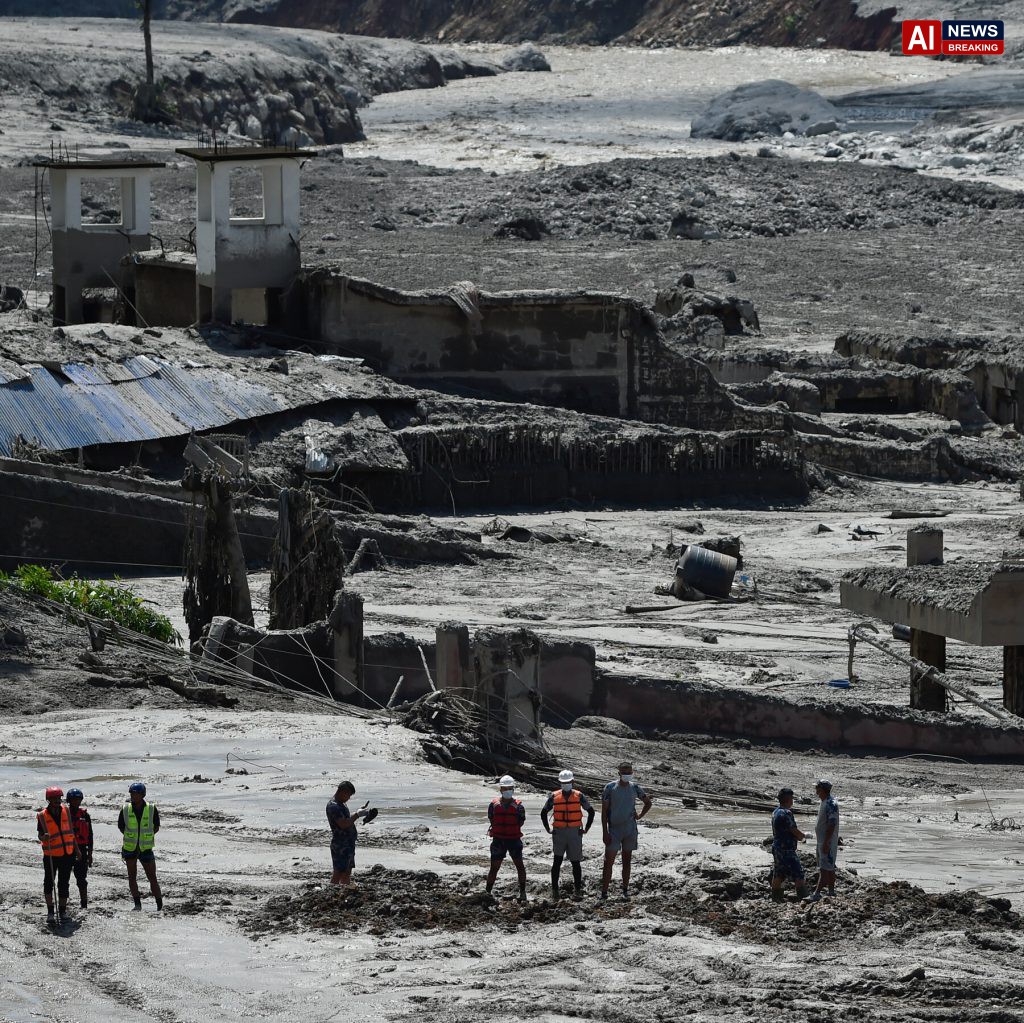
Devastating scenes of destruction have unfolded across central Nepal as relentless monsoon rains have triggered catastrophic flooding and landslides, leaving hundreds of thousands of citizens stranded and cut off from the outside world. The disaster, described by local officials as among the worst in recent decades, has rendered vast sections of the country inaccessible, with twenty-five miles of critical road infrastructure completely erased by the swelling waters. Approximately 250,000 people are currently marooned in isolated communities where basic necessities are dwindling rapidly, while the collapse of communication networks has further complicated rescue efforts and left families unaware of each other’s fates.The sheer scale of the infrastructural damage has paralyzed the nation’s transportation network, severing key arteries that connect rural villages to urban centers..
Entire bridges, which serve as vital links between communities, have been swept away into raging rivers, leaving gaps that are currently impassable and dangerous to cross. The loss of these structures has not only hindered the movement of people but has also crippled the supply chain for essential goods, including food, medicine, and fuel. Local authorities report that several major highways, including parts of the crucial East-West Mahendra Highway, remain closed, isolating entire districts from the capital and forcing the government to rely on limited air transport for emergency supplies.In the hardest-hit districts, such as Sindhupalchowk and Rasuwa, the situation remains dire as rescue teams struggle to navigate the treacherous terrain..
Landslides triggered by the saturated soil have blocked numerous access points, creating natural dams that threaten to burst and cause secondary flooding in downstream areas. Emergency responders, including members of the Nepal Army and the Nepal Police, have been deployed to the most affected regions, but their progress has been severely hampered by the destroyed roads and limited visibility due to heavy cloud cover and continuous rain. Helicopters have become the primary means of evacuation, ferrying stranded civilians to safety, yet the logistical constraints of weather and fuel supplies limit the number of flights possible each day.The destruction of infrastructure has extended beyond roads to include the complete disruption of power and telecommunications lines..
Half a million homes have been left without electricity, plunging communities into darkness and halting critical healthcare services that rely on electronic monitoring equipment. Phone lines have been severed across large swathes of the affected areas, creating a communication blackout that has prevented many residents from reaching out to relatives or providing their precise locations to rescue authorities. This lack of connectivity has added a layer of psychological distress to the physical dangers, as isolation sets in and uncertainty regarding the survival of loved ones intensifies among the displaced population.Humanitarian organizations have mobilized quickly to provide immediate relief, but the logistical challenges remain immense..
Air drops of food parcels, clean water, and medical kits have been initiated in areas where ground access is impossible, but these efforts are sporadic and often fail to reach the most remote settlements. Local health centers, many of which have sustained damage or lost power, are overwhelmed with patients suffering from injuries, waterborne diseases, and malnutrition. The World Health Organization and the Red Cross have established temporary medical camps in accessible areas, but the inability to transport severely injured patients to major hospitals in Kathmandu has resulted in preventable complications and increased mortality rates in the initial hours following the disaster.The economic impact of the flooding is already becoming apparent, with agricultural lands submerged under mud and water, threatening the livelihoods of farmers who depend on the monsoon season for planting..
Crops of rice and maize, which are staples for millions, have been destroyed, raising fears of food insecurity in the coming months. Small businesses in affected towns have been forced to close indefinitely, exacerbating the financial strain on families who have already lost their homes or essential belongings. The long-term economic repercussions of this disaster could be severe, particularly if the reconstruction of roads and bridges is delayed, as it may take years to fully restore the connectivity that drives Nepal’s fragile economy.Government assessments indicate that thousands of homes have been damaged or completely washed away, leaving residents to shelter in community centers, schools, or makeshift camps..
Many of these temporary shelters are overcrowded and lack adequate sanitation facilities, creating a high risk for the outbreak of infectious diseases such as cholera and dysentery. Local leaders have appealed for national and international aid, emphasizing the urgent need for tents, thermal blankets, and hygiene kits. The government has declared a state of emergency in several districts, enabling faster procurement of relief materials and the deployment of additional security forces to maintain order and distribute resources equitably.International attention has focused on the plight of the stranded populations, with foreign governments offering diplomatic and material support..
Several countries have pledged financial aid and dispatched rescue teams and emergency supplies to assist Nepal’s overwhelmed domestic response efforts. However, the complex geography of the Himalayan region presents significant hurdles for international aid delivery, requiring close coordination with local authorities who possess intimate knowledge of the terrain. The compatibility of foreign rescue equipment with local conditions remains a consideration, as rugged mountain paths require specialized gear and expertise that not all international teams may possess.Psychological trauma is another silent crisis unfolding amidst the physical destruction..
Survivors who have witnessed the sudden loss of their homes and the disappearance of neighbors are exhibiting signs of acute stress and anxiety. Mental health professionals warn that the lack of immediate communication with family members exacerbates this trauma, fostering a sense of helplessness and despair. Community leaders are attempting to provide emotional support through traditional gathering circles and religious practices, but the scale of the disaster has overwhelmed local coping mechanisms, highlighting the need for structured psychological first aid in the coming weeks.As the rains continue to pound the region, the risk of further landslides and flooding remains high, threatening both displaced populations and rescue personnel..
Meteorological forecasts predict more heavy rainfall in the coming days, raising concerns that the situation could deteriorate further before it stabilizes. Authorities have issued warnings for additional slope instability, urging residents in high-risk zones to remain in shelters and avoid approaching riverbanks or damaged structures. The fragility of the Himalayan ecosystem, combined with increasing climate variability, underscores the vulnerability of Nepal to such extreme weather events, prompting calls for more robust disaster preparedness and resilient infrastructure planning.The resilience of the Nepalese people has been evident in the face of this catastrophe, with communities coming together to share limited resources and assist in rescue operations..
Volunteers have formed human chains to move debris and help evacuate the elderly and children, demonstrating a strong sense of collective responsibility. However, this grassroots effort is no longer sufficient given the magnitude of the crisis, and sustained national and international support is critical. The road to recovery will be long and arduous, requiring significant investment in rebuilding infrastructure and supporting the psychological and economic well-being of the affected communities.In the immediate aftermath, the focus remains on saving lives and providing basic humanitarian aid..
The government has promised a comprehensive review of disaster management.
Updated: August 27, 2026
Relentless monsoon rains have paralyzed central Nepal, leaving 250,000 people isolated by destroyed roads and communication blackouts.
Rescue efforts are severely hampered by ongoing landslides, forcing a reliance on limited air transport to deliver aid to stranded communities.