A Corruption Scandal Is Reshaping Brazil’s Presidential Election
  US citizen injured in Illinois after ICE agents mistook him for fugitive, tried to arrest him
  At 10 years old, Smithsonian’s Black museum is undaunted amid pressure from Trump administration
  Beleaguered at Home, a Bellicose Netanyahu Heads to the U.N.
  Family to release cellphone report in Nolan Wells case
 More survivors give statements against granite baron Veeramani
New statements from five former quarry employees allege that granite tycoon Veeramani has long forced overtime, withheld wages and used intimidation to silence workers. The Directorate of Labour and the Central Bureau of Investigation have launched a joint probe, examining employment contracts, wage ledgers and possible financial fraud linked to Veeramani Granite Enterprises Ltd.
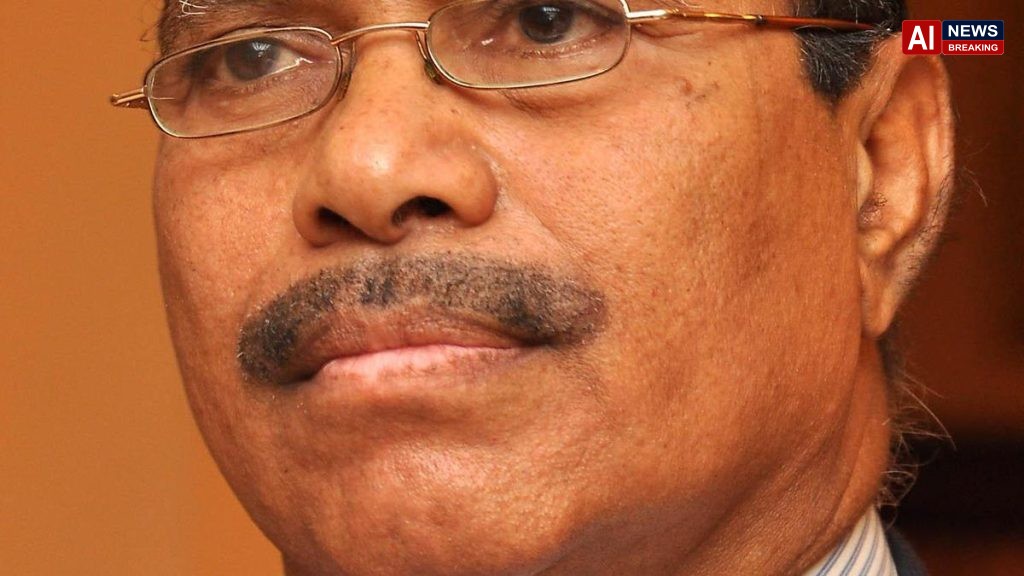
More survivors give statements against granite baron Veeramani - AI News Breaking
More survivors have now stepped forward to give formal statements against Veeramani, the prominent granite businessman whose name has become synonymous with a series of alleged labour abuses across the southern state of Tamil Nadu. The latest testimonies, submitted to the state’s Directorate of Labour and the Central Bureau of Investigation, detail accusations of forced overtime, withheld wages and intimidation that, according to the complainants, have been ongoing for more than a decade. While Veeramani, 58, continues to deny any wrongdoing, investigators say the new complaints will be “thoroughly inquired into for further action” and will form part of a broader probe into the operations of his conglomerate, Veeramani Granite Enterprises Ltd., which supplies stone to both domestic and overseas markets.The first of the new statements was recorded on Monday by a 34‑year‑old former quarry worker, who described a pattern of “unrealistic production targets” that forced staff to work beyond the legally mandated eight‑hour day..
He claimed that, when he raised concerns about safety breaches, supervisors threatened to “make his family suffer” unless he complied. The worker, who asked to remain anonymous for fear of retaliation, said he was eventually dismissed after refusing to sign a document that would have waived his right to claim unpaid overtime. Similar narratives have emerged from four other former employees, all of whom said they were pressured to sign away their entitlements under duress.Legal experts note that the practice of obtaining signed waivers for unpaid wages is not only unethical but potentially criminal under the Indian Penal Code, which prohibits coercion and fraudulent inducement..
“If the allegations are substantiated, the company could be facing charges ranging from violation of the Factories Act to criminal intimidation,” said Priya Nair, a labour law specialist at the National Law School of India University. She added that the involvement of the Central Bureau of Investigation signals that the matter has moved beyond a routine labour dispute and may involve broader concerns such as corruption, tax evasion and illegal land acquisition, all of which have previously been linked to the granite sector in the region.The Directorate of Labour, which first opened an inquiry into Veeramani’s operations two years ago after a separate batch of workers filed complaints, has now expanded its investigative remit. In a statement released on Tuesday, the agency said it would “examine the authenticity of employment contracts, wage ledgers and overtime records” and would also audit the company’s compliance with safety regulations under the Mines and Minerals (Development and Regulation) Act..
The statement emphasized that the agency would coordinate closely with the Central Bureau of Investigation, which is already looking into alleged money‑laundering activities tied to the company’s overseas transactions.Veeramani Granite Enterprises, which employs roughly 4,500 workers across more than a dozen quarries and processing units, has long been a pillar of the local economy, contributing significantly to the region’s export earnings. The firm’s leadership has consistently highlighted its role in providing jobs and infrastructure development. In a press conference held last month, Veeramani’s legal counsel, Advocate S..
Raghavan, dismissed the new allegations as “baseless” and “motivated by a handful of disgruntled ex‑employees seeking to tarnish a reputable business.” He urged the authorities to focus on “the factual evidence” and warned that “unfounded accusations can cause irreversible damage to a legitimate enterprise and the livelihoods of thousands who depend on it.”The latest wave of testimonies, however, appears to have shifted public sentiment. Local NGOs, including the Workers’ Rights Forum of Tamil Nadu, have organized a series of peaceful rallies in Chennai and Kanchipuram, calling for a transparent investigation and urging the government to enforce stricter labour standards in the quarrying sector. “We are not against development,” said Anjali Menon, a spokesperson for the forum, “but we demand that progress does not come at the expense of human dignity and the rule of law.” The group has also called on the Ministry of Labour to expedite the drafting of a sector‑specific code of conduct that would address the unique hazards faced by stone‑cutting and quarry workers.In the midst of mounting pressure, the Central Bureau of Investigation has confirmed that it has opened a “special investigation team” to examine the financial flows of Veeramani Granite Enterprises..
Sources familiar with the case told reporters that the team is scrutinising bank statements, offshore accounts and shell companies that may have been used to conceal profits. While no charges have yet been filed, the involvement of the CBI is often seen as a harbinger of serious legal repercussions, especially in cases where large sums of money and influential individuals intersect.The impact of the allegations extends beyond the courtroom. Shareholders of Veeramani Granite Enterprises, many of whom are institutional investors, have expressed concern over potential reputational damage..
In a filing to the Bombay Stock Exchange earlier this week, the company disclosed that it is reviewing its corporate governance policies and has appointed an independent auditor to verify its compliance with labour and environmental regulations. Analysts note that such steps are common attempts to restore investor confidence while the legal process unfolds.Human‑rights observers caution that the outcome of the investigation will set a precedent for how India’s booming extractive industries are held accountable. “The quarry sector has historically operated in a regulatory grey zone,” said Arvind Patel, a senior researcher at the International Labour Organization..
“A thorough, impartial inquiry could pave the way for stronger enforcement mechanisms, not just for granite but for other mineral‑extraction businesses that have similar labour‑rights challenges.”As the statements continue to be recorded and the investigations deepen, the case has become a focal point for broader debates on economic development, workers’ rights and corporate responsibility in India’s fast‑growing industrial landscape. Whether the legal process will culminate in convictions, reforms or a settlement remains uncertain, but the heightened scrutiny on Veeramani Granite Enterprises underscores a shifting balance between profit motives and the protection of vulnerable labour forces. The coming weeks are expected to bring further revelations as both the Directorate of Labour and the Central Bureau of Investigation proceed with their respective inquiries, and as courts prepare to hear petitions that could determine the future of one of the region’s most influential granite barons..
Updated: September 18, 2026
The surge of survivor testimonies may turn Veeramani’s granite empire into a cautionary exemplar, forcing India’s extractive sector to reconcile rapid growth with enforceable labour rights. If the CBI’s probe uncovers financial malfeasance, it could trigger a regulatory cascade that reshapes corporate governance standards across all resource‑intensive industries.