
 Indian engineering student dies in U.S. internship.
  Andhra CM alerts officials about the cyclone in Bay of Bengal
  Trump at South Florida rally revives the idea of military intervention in Cuba after Iran
 Mumbai suspends five food licenses over hygiene violations
**
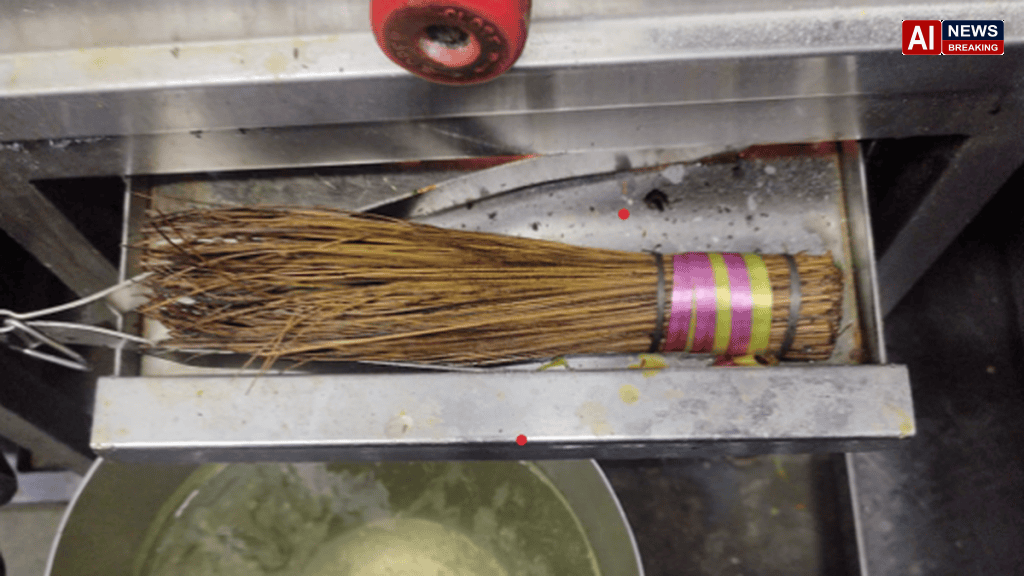
Mumbai suspends five food licenses over hygiene violations - AI News Breaking
The Mumbai Food Safety and Drug Administration has moved to suspend the operational licenses of several eateries in the city, citing severe hygiene violations that include the presence of cockroaches in kitchen spaces and unsafe methods of food storage. This decisive regulatory action is part of a broader, intensified campaign aimed at ensuring strict compliance with hygiene standards across Mumbai’s vast and vibrant hospitality sector. The moves come in the wake of a significant statewide crackdown initiated on August 18, during which enforcement officials conducted rigorous inspections of thirty-one hotels, restaurants, and roadside dhabas..
The scale of the operation underscores a growing impatience within regulatory bodies regarding the recurring failure of food service establishments to maintain basic sanitation protocols, which are critical for public health and safety.During the intensive drive on August 18, inspectors were deployed across various high-traffic zones in Mumbai, targeting establishments that had previously received complaints or were selected for random auditing. The inspections were comprehensive, covering every aspect of food handling, from the initial receipt of raw ingredients to the final plating of dishes for customers. Officials looked specifically for structural cleanliness, proper pest control measures, and the secure storage of perishable goods..
The findings were largely detrimental, revealing systemic lapses in hygiene that posed significant risks to consumer health. As a direct result of these inspections, five food licenses were immediately suspended, while twenty-two other establishments were issued formal improvement notices, demanding immediate rectification of the identified shortcomings.The suspension of licenses is a serious regulatory measure that effectively shuts down operations until the establishment can prove compliance with safety standards. The five eateries that faced immediate suspension were found to be in violation of multiple critical norms..
Inspectors reported finding live cockroaches in kitchen areas, a breach that signifies a profound failure in pest management and overall cleanliness. Cockroaches are known carriers of various pathogens, including Salmonella and E. coli, making their presence in food preparation areas a direct threat to public health..
The sight of pests in kitchen spaces is not merely a cosmetic issue but a fundamental indicator of an unsanitary environment that cannot be trusted to prepare food safely.In addition to pest issues, the inspections highlighted serious concerns regarding the storage of food items. Many establishments were found to be storing raw and cooked foods in close proximity, leading to cross-contamination risks. Perishable items were often left at ambient temperatures for extended periods, violating the cold chain protocols necessary to prevent bacterial growth..
This unsafe storage practice is particularly dangerous in Mumbai’s tropical climate, where heat and humidity can accelerate spoilage. The FDA emphasized that proper segregation and temperature control are non-negotiable aspects of food safety, and the failure to adhere to these standards warrants stringent penal action.The twenty-two establishments that received improvement notices were given a specified timeframe to address the violations identified by inspectors. These notices serve as a final warning, outlining the specific changes required to bring the premises up to code..
The violations cited in these notices ranged from inadequate waste disposal mechanisms to the use of expired ingredients. In some cases, the lack of proper signage indicating allergens or the absence of trained food safety handlers was also noted. The establishment owners have been informed that failure to comply within the stipulated period will result in the suspension of their licenses, mirroring the fate of the five eateries that were shut down immediately.This crackdown reflects a broader trend of increased regulatory scrutiny in Maharashtra, driven by rising public awareness and consumer advocacy..
In recent years, there has been a noticeable shift in consumer behavior, with diners becoming more informed and demanding higher standards of hygiene. Social media platforms have amplified isolated incidents of poor hygiene, prompting regulatory bodies to act proactively rather than reactively. The FDA has stated that the current drive is not an isolated event but part of a sustained effort to instill a culture of hygiene and accountability within the food service industry..
The message to operators is clear: compliance is mandatory, and negligence will be met with firm consequences.Restaurant owners and industry associations have expressed concern over the suddenness of the sanctions, with some arguing that the penalties are disproportionate for minor infractions. However, the FDA maintains that the hazards identified, such as live pests in kitchens, are not minor issues but critical failures that endanger public health. The department has emphasized that the primary goal of these inspections is not to punish honest mistakes but to eliminate systemic risks that could lead to widespread foodborne illnesses..
The suspension of licenses is viewed as a necessary protective measure for the community, ensuring that only establishments that meet the minimum safety standards are allowed to operate.The impact of these suspensions extends beyond the immediate closure of the affected eateries. It sends a strong signal to the entire industry that regulatory oversight is active and unyielding. Competitors of the suspended establishments may benefit from the increased demand, as consumers shift their patronage to venues perceived as safer and more hygienic..
This competitive pressure can drive a broader improvement in industry standards, as operators are incentivized to invest better in kitchen infrastructure, staff training, and pest control services. The FDA expects that this wave of enforcement will lead to a long-term improvement in the overall hygiene landscape of Mumbai’s dining sector.From a public health perspective, the removal of unsafe eateries from the market is a crucial step in preventing outbreaks of foodborne diseases. Mumbai, with its dense population and high volume of street and restaurant food consumption, is particularly vulnerable to rapid transmission of illnesses caused by contaminated food..
The presence of cockroaches and improper food storage creates an ideal environment for the proliferation of harmful bacteria. By suspending the licenses of the most egregious offenders, the FDA aims to reduce the incidence of gastroenteritis, food poisoning, and other related health issues among the city’s residents and visitors.The August 18 crackdown also highlights the importance of routine and unpredictable inspections in maintaining industry standards. If inspections are predictable or infrequent, establishments may only maintain high standards temporarily to pass checks..
Unannounced audits force operators to maintain consistent compliance, knowing that inspectors could arrive at any time. The FDA has indicated that such random drives will become more frequent in the coming months, ensuring that hygiene remains a daily priority rather than a periodic concern. This proactive approach is designed to keep the industry on its toes and to ensure that consumer trust is not eroded by recurring hygiene failures.For the consumers, the crackdown serves as a reassurance that authorities are taking their safety seriously..
However, it also places a responsibility on diners to be vigilant and to report any instances of poor hygiene they encounter. The FDA has encouraged the public to use digital platforms to file complaints, providing real-time data to inspectors and helping to prioritize future inspections. This collaboration between regulators and the public is essential for creating a robust food safety ecosystem..
As the suspended eateries struggle to meet compliance standards, the rest of the industry must recognize the urgency of maintaining impeccable hygiene to preserve their legitimacy and the trust of their customers..
Updated: August 20, 2026
Summary: Mumbai’s Food Safety and Drug Administration has suspended five restaurant licenses and issued improvement notices to dozens more following a sweeping hygiene audit. The crackdown targeted severe sanitation failures, including pest infestations and unsafe food storage, signaling a zero-tolerance policy towards health violations.
This crackdown shifts food safety from a public relations checkbox to a non-negotiable operational baseline, forcing hosts to internalize hygiene as a core business risk rather than a peripheral concern. As regulatory scrutiny hardens, the industry’s competitive advantage will increasingly hinge on transparent compliance rather than just culinary appeal.