Europe warns of Russia’s hybrid attacks but struggles to counter them
  Former chief election commissioner calls SIR scheme illegal.
  A Corruption Scandal Is Reshaping Brazil’s Presidential Election
  US citizen injured in Illinois after ICE agents mistook him for fugitive, tried to arrest him
  At 10 years old, Smithsonian’s Black museum is undaunted amid pressure from Trump administration
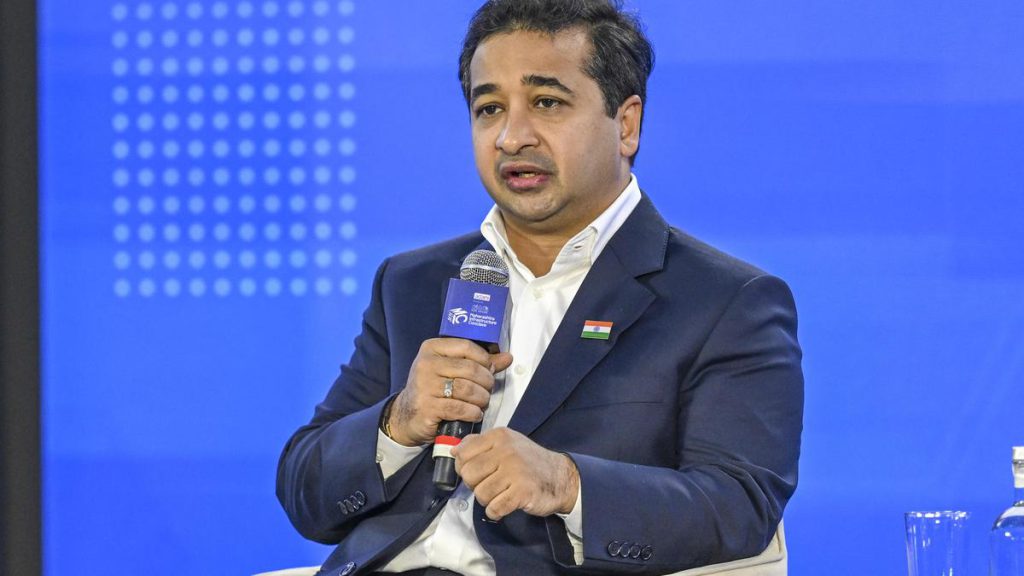
 Mumbai Water Metro Set to Launch by 2028: Minister Nitesh Rane Reveals Ambitious Transportation Plan
Maharashtra Minister Nitesh Rane has announced the launch of Water Metro service in the Mumbai Metropolitan Region by 2028, promising to revolutionize the city’s transportation landscape and create new job opportunities, but raising concerns about economic, environmental, and social impacts.
mumbai water metro launch:
Water Metro Service in Mumbai Metropolitan Region by 2028: A Game-Changer with Broader Implications
Summary
Maharashtra Minister for Fisheries and Ports Development, Nitesh Rane, has announced the ambitious plan to launch a Water Metro service in the Mumbai Metropolitan Region (MMR) by 2028.
This infrastructure development project promises to revolutionize the city’s transportation landscape, but also raises concerns about potential economic, environmental, and social impacts.
Updated: May 22, 2026
Water Metro Service in Mumbai Metropolitan Region by 2028: A Game-Changer with Broader Implications
Summary
Maharashtra Minister for Fisheries and Ports Development, Nitesh Rane, has announced the ambitious plan to launch a Water Metro service in the Mumbai Metropolitan Region (MMR) by 2028. This infrastructure development project promises to revolutionize the city’s transportation landscape, but also raises concerns about potential economic, environmental, and social impacts.
Core News
Speaking at The Hindu’s ‘Maharashtra Infrastructure Conclave 2026’, Minister Rane outlined the significant progress made in the maritime sector in the state. The Water Metro service, envisioned as a feeder system to the existing rail and road networks, will utilize electric and hybrid boats to provide seamless connectivity between 20 terminals across the MMR. The project is expected to cater to over 1 million daily passengers, significantly reducing travel times and environmental pollution.
Impact Analysis
While the Water Metro service is expected to have a positive economic impact by creating new job opportunities and stimulating economic growth, there are also risks associated with this massive project:
1. Economic Burden: The project’s estimated cost is ₹40,000 crore, which, if not managed effectively, could lead to a significant financial burden on the state exchequer.
2. Environmental Concerns: The increased waterborne traffic may have adverse environmental impacts, including pollution and marine habitat destruction.
3. Social Impact: The project may lead to displacement of existing communities and small-scale fishermen, who may lose their livelihood due to changes in the local ecosystem.
Broader Implications
The Water Metro service has far-reaching implications for the MMR and the state of Maharashtra as a whole:
1. Urbanization and Economic Growth: The project will accelerate urbanization in the MMR, driving economic growth and attracting investments. However, this growth is expected to put pressure on the state’s infrastructure and services.
2. Competition to Roads and Rail: The Water Metro service will provide an alternative mode of transportation, potentially diverting passengers from traditional modes of transport and reducing congestion on roads and railways.
3. Environmental and Social Repercussions: The project’s success will depend on the state’s ability to balance economic growth with environmental and social concerns.
Forward-Looking Insights
As the Water Metro service prepares to launch by 2028, policymakers, economists, and environmentalists will need to work together to mitigate the risks associated with this ambitious project. Potential solutions may include:
1. Environmental Impact Assessments: Conducting regular assessments to monitor and mitigate the project’s environmental impacts.
2. Community Engagement: Engaging with local communities and small-scale fishermen to ensure their concerns are addressed and their livelihoods protected.
3. Innovative Financing Models: Exploring innovative financing models to reduce the project’s financial burden on the state exchequer.
The success of the Water Metro service will depend on the state’s ability to manage the complex interplay of economic, environmental, and social factors involved.
With the Water Metro service poised to revolutionize Mumbai's transportation landscape by 2028, it's essential to note that this ambitious project may inadvertently fuel a gentrification wave in the city, where rising property values and increased accessibility could price out long-time residents and small businesses in favor of newer, high-income commuters.