 Finnish puppy livestream boosts pet ownership and sales.
  Punjab CM alleges he was made to sit at Delhi airport, officials told him they were ‘under pressure from above’
  Jordanian police investigate church shooting killing
 Nagaland Chief Minister Urges Review of FCRA Amendments
Nagaland Chief Minister Neiphiu Rio has urged Union Home Minister Amit Shah to reconsider the amendments to the Foreign Contribution (Regulation) Act, citing concerns over transparency and accountability in foreign donations to NGOs, and seeking a parliamentary panel review to address concerns and remove apprehensions.
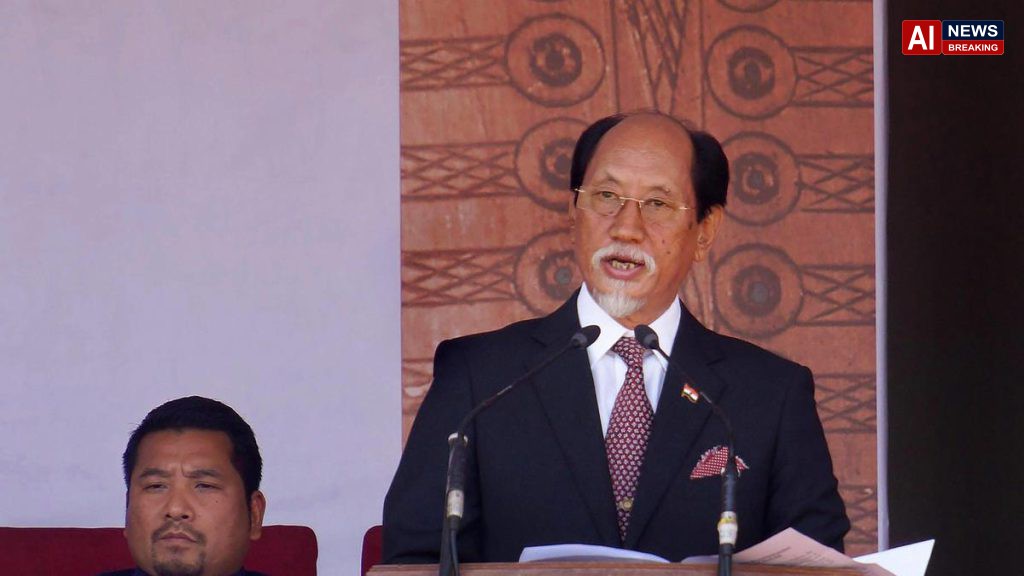
Nagaland Chief Minister Urges Review of FCRA Amendments - AI News Breaking
Nagaland CM Urges Shah to Reconsider FCRA Amendments, Seeks Parliamentary Panel Review New Delhi, August 10, 2023 – In a bid to safeguard transparency and accountability in foreign donations to non-governmental organizations (NGOs), Nagaland Chief Minister Neiphiu Rio has requested Union Home Minister Amit Shah to reconsider the amendments made to the Foreign Contribution (Regulation) Act (FCRA). Rio’s appeal to Shah has sparked a renewed debate on the implications of the FCRA amendments, with many NGOs and civil society groups voicing concerns about the impact on their freedom to receive foreign funding. In a letter to Shah, Rio expressed his reservations regarding the amendments, stating that they may stifle the growth of civil society in India..
The Nagaland CM emphasized that NGOs play a crucial role in promoting social welfare, development, and human rights in the country. He argued that the FCRA amendments may inadvertently harm the very purpose of these organizations, thereby undermining transparency and accountability in foreign donations. The FCRA amendments, which came into effect on September 29, 2020, have been widely criticized by several NGOs and civil society groups..
The new regulations impose stricter conditions on NGOs to receive foreign funding, making it compulsory for them to register under the 80G of the Income-tax Act, 1961. These groups claim that the amendments have created a chilling effect on their ability to receive foreign funding, thereby stifling their operations and limiting their capacity to address social and humanitarian issues. Rio’s letter to Shah also sought a review of the FCRA amendments by a parliamentary panel, urging the Home Minister to engage with stakeholders, including NGOs and civil society groups, to address genuine concerns and remove apprehensions..
The Nagaland CM highlighted the importance of public confidence in the FCRA, stating that the amendments have generated widespread skepticism among civil society groups and the general public. NGOs have long been an integral part of India’s development landscape, working on a range of issues such as poverty alleviation, education, health, and human rights. However, the FCRA amendments have raised serious concerns about the government’s intentions regarding foreign funding, with many fearing that the changes may be used to curb dissenting voices and opposition to government policies..
The FCRA amendments have also sparked controversy over their potential impact on foreign-funded projects and initiatives in Nagaland. The state has historically received significant foreign funding for development projects, including those related to healthcare, education, and infrastructure. The new regulations may complicate the process of receiving foreign funding for these projects, potentially hindering progress in these areas..
NGOs and civil society groups have called on the government to reconsider the FCRA amendments, arguing that they may be overly restrictive and stifle the growth of civil society in India. They point to the importance of transparency and accountability in foreign donations, while also emphasizing the need to protect the autonomy of NGOs to receive foreign funding. In a statement to the press, Rio underscored the importance of finding a balance between safeguarding national interest and protecting the autonomy of NGOs..
He emphasized that the FCRA amendments should not be used to stifle dissenting voices or opposition to government policies, but rather to ensure transparency and accountability in foreign donations. The Nagaland CM’s appeal to Shah has also sparked debate among lawmakers, with some arguing that the FCRA amendments are necessary to prevent the misuse of foreign funding by NGOs. Others, however, have expressed concerns about the potential impact of the amendments on NGOs and civil society groups..
The FCRA amendments have also sparked a wider debate about the role of NGOs in India and the need for government regulations to ensure transparency and accountability. While the amendments have been widely criticized by NGOs and civil society groups, others argue that they are necessary to prevent the misuse of foreign funding and protect national interest. In a recent interview, a senior government official defended the FCRA amendments, stating that they have been introduced to ensure greater transparency and accountability in foreign donations..
The official emphasized that the amendments are designed to prevent the misuse of foreign funding by NGOs, while also ensuring that they continue to play a critical role in promoting social welfare and development in India. As the debate over the FCRA amendments continues, it remains to be seen whether the government will reconsider the changes or stand by its decision. The Nagaland CM’s appeal to Shah has sparked a renewed debate on the implications of the FCRA amendments, with many NGOs and civil society groups voicing concerns about the impact on their freedom to receive foreign funding..
Rio’s appeal to Shah has highlighted the need for greater cooperation and dialogue between the government and civil society groups to address genuine concerns and remove apprehensions. The Nagaland CM’s commitment to finding a balance between safeguarding national interest and protecting the autonomy of NGOs has sparked hope among civil society groups, who believe that the government may reconsider the FCRA amendments in light of their concerns. The outcome of the ongoing debate will shape the future of NGOs and civil society groups in India, with implications for their ability to receive foreign funding and carry out their work..
As the government weighs its options, it remains to be seen whether it will prioritize transparency and accountability in foreign donations or stifle the growth of civil society in India. Rio’s appeal to Shah has sparked a vital conversation about the role of NGOs in India and the need for transparency and accountability in foreign donations. As the debate continues, it is clear that the future of NGOs and civil society groups hangs in the balance, with the government’s decision on the FCRA amendments set to impact the lives of millions of Indians working towards a better future..
Updated: August 12, 2026
In a significant move, Nagaland Chief Minister Neiphiu Rio’s appeal to reconsider the FCRA amendments marks a turning point for India’s civil society, as it could potentially redefine the delicate balance between transparency, accountability, and NGO autonomy. If the government decides to revisit the amendments, it may be forced to navigate a complex web of competing interests, testing the limits of its relationship with civil society