Indonesia denies foreign claim to rescued orangutans
 Turkey hosts COP31 climate talks in Antalya.
 Pope meets Argentine bishops.
 APOD: 2026 November 8 – Major Fireball Meteor
 Indonesian Horror Hit ‘Pabrik Gula’ Gets 2028 Sequel as MD Entertainment Lines Up Three Imax Films
NDA continues its winning streak, set to crush YSRCP in ZPTC and MPTC elections as well
**
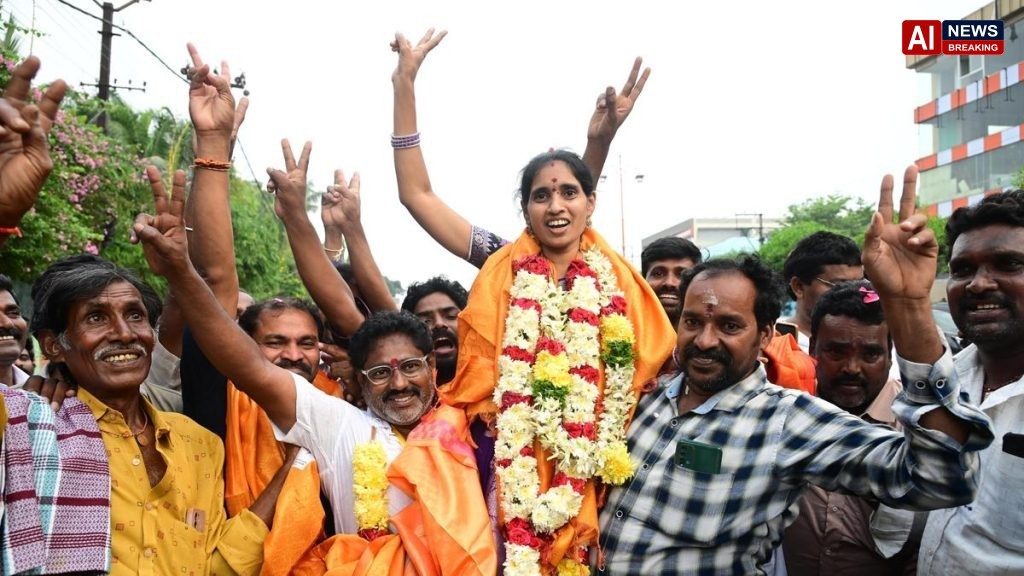
NDA continues its winning streak, set to crush YSRCP in ZPTC and MPTC elections as well - AI News Breaking
continues winning streak crush:
The National Democratic Alliance (NDA) has consolidated its position in Andhra Pradesh’s local governance landscape ahead of the upcoming Zilla Parishad Territorial Constituency (ZPTC) and Mandal Parishad Territorial Constituency (MPTC) elections. Party sources and independent observers note that the coalition, anchored by the Telugu Desam Party (TDP), now appears to be on a trajectory that could see it eclipse the Yuvajana Sramika Rythu Congress Party (YSRCP) across a majority of the state’s rural administrative units. The latest figures, released by the State Election Commission, show the NDA winning in more than 320 ZPTCs, a tally that includes 77 constituencies where candidates have been declared unanimously elected..
In addition, the alliance is said to be leading in almost a hundred other ZPTC contests that are yet to be decided.Parallel trends are emerging at the mandal level. According to the commission’s provisional data, the NDA’s influence extends across 7,767 MPTC seats, a number that suggests a broad-based appeal among village‑level electorates. While the final count will be determined after the completion of the voting process, analysts argue that the current lead reflects a combination of effective campaigning, strategic candidate selection, and a perceived shift in voter sentiment away from the incumbent YSRCP government..
The TDP, which heads the coalition, has emphasized development promises and local governance reforms as key pillars of its outreach.The political significance of the ZPTC and MPTC elections lies in their role as the foundational tier of the state’s three‑level Panchayati Raj system. Winners in these bodies will not only influence local administration but also shape the composition of district and mandal councils that feed into higher legislative assemblies. For the YSRCP, a loss at this grassroots level could erode its ability to mobilise support for future state and national contests..
Conversely, a strong showing by the NDA could provide a platform to challenge the YSRCP’s dominance in the Legislative Assembly and the Lok Sabha.One of the most symbolic victories for the NDA in the current count is the Pulivendula ZPTC seat, traditionally regarded as a stronghold of Chief Minister Y.S. Jagan Mohan Reddy’s YSRCP. The constituency, which includes the chief minister’s hometown, has historically delivered decisive wins for the ruling party..
The TDP’s claim to this seat, confirmed through the commission’s declaration of a unanimous election, has been framed by party leaders as a “testament to the electorate’s desire for change.” Opposition figures, however, caution against over‑interpretation, pointing out that local dynamics and candidate reputation often outweigh broader party affiliations in rural polls.The YSRCP, while acknowledging the setbacks, has refrained from conceding any strategic defeat. Party spokespersons have stressed that the final results are yet to be announced and that the election process remains transparent and fair. They have also highlighted ongoing development projects and welfare schemes as evidence of the government’s commitment to the rural populace..
In a recent press briefing, the chief minister’s office reiterated confidence in the party’s ability to retain a majority of seats, citing historical voting patterns and the party’s entrenched organisational network in the state.Political scientists observing the race note that the NDA’s momentum may be partially attributed to a series of tactical alliances formed over the past year. The TDP has entered into seat‑sharing arrangements with regional parties and independent candidates, broadening its reach into districts where it previously held limited sway. This coalition‑building strategy mirrors tactics employed in previous state elections, where the TDP successfully leveraged anti‑incumbency sentiments to secure a legislative majority..
The current ZPTC and MPTC contests, however, present a more granular test of these alliances, as local issues such as water management, agricultural support, and infrastructure development dominate voter concerns.Voter turnout figures, although still being compiled, indicate a robust participation rate across both ZPTC and MPTC polls. Early reports from district election officers suggest turnout levels exceeding 70 percent in several rural constituencies, a marked increase compared to the previous local body elections. Election analysts attribute this rise to heightened political mobilisation, intensified campaigning, and a growing perception among voters that local bodies wield tangible influence over everyday life..
The heightened engagement also underscores the electorate’s appetite for accountability and responsiveness from both ruling and opposition parties.The implications of the emerging results extend beyond the state’s borders. The NDA’s performance in Andhra Pradesh could affect its national narrative, especially as the coalition prepares for upcoming parliamentary contests. A decisive victory in the rural tier would bolster the TDP’s claim to being a key regional partner for the central government, potentially influencing policy negotiations and resource allocations..
Conversely, a weakened YSRCP could face challenges in maintaining its strategic leverage at the centre, where it has previously aligned with the ruling National Democratic Alliance on several issues.As the counting process progresses, observers stress the importance of maintaining electoral integrity and public confidence. The State Election Commission has reiterated its commitment to a transparent count, inviting representatives from all contesting parties to monitor the proceedings. International observers and civil society groups have also been invited to ensure that the process adheres to democratic standards..
In the meantime, both the NDA and YSRCP are likely to continue their outreach efforts, appealing to undecided voters and reinforcing their policy platforms ahead of the final declaration.The final outcome of the ZPTC and MPTC elections will shape the political terrain of Andhra Pradesh for the foreseeable future. While the NDA currently enjoys a sizable lead, the final verdict will hinge on the completion of the vote count and any subsequent legal challenges that may arise. For the YSRCP, the stakes are high: a setback at the grassroots level could signal shifting voter allegiances and demand strategic recalibration..
For the TDP and its coalition partners, the provisional figures provide an opportunity to consolidate power and present themselves as viable alternatives to the incumbent government. As the state watches the unfolding results, the broader narrative of Andhra Pradesh’s political evolution continues to be written, one local constituency at a time..
Updated: November 7, 2026
The NDA’s surge in village‑level bodies could transform Andhra Pradesh into a launchpad for a national resurgence, forcing the YSRCP to rethink its grassroots machinery or risk marginalisation in future state and parliamentary contests. Simultaneously, the heightened rural turnout signals a electorate that now demands tangible local accountability, turning Panchayat polls into a decisive barometer of any party’s credibility beyond ceremonial victories.