A Corruption Scandal Is Reshaping Brazil’s Presidential Election
  US citizen injured in Illinois after ICE agents mistook him for fugitive, tried to arrest him
  At 10 years old, Smithsonian’s Black museum is undaunted amid pressure from Trump administration
  Beleaguered at Home, a Bellicose Netanyahu Heads to the U.N.
  Family to release cellphone report in Nolan Wells case
 Niti Aayog proposes caregiving policy
Niti Aayog has proposed a comprehensive national caregiving policy to revolutionize India’s care economy, enabling the elderly, people with disabilities, and those requiring long-term support to receive high-quality assistance, while also creating employment opportunities and boosting women’s labour force participation.
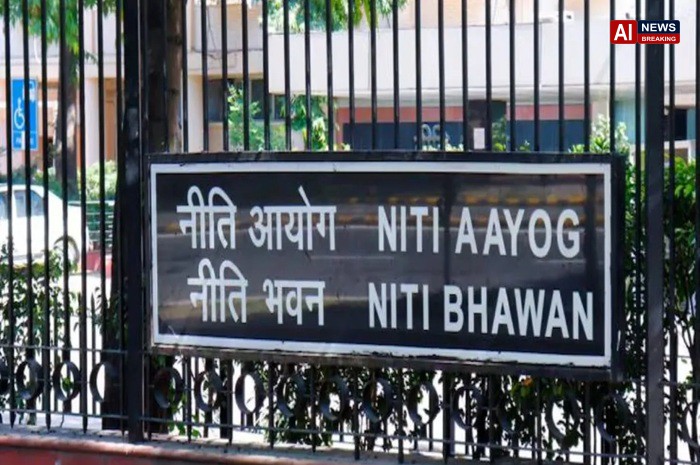
Niti Aayog proposes caregiving policy - AI News Breaking
Niti Aayog Aims to Revolutionize India’s Care Economy In a landmark development, Niti Aayog, the government’s think tank, has proposed a comprehensive national caregiving policy to transform India’s care economy. The move is expected to bring about a paradigm shift in the way the country approaches caregiving, enabling the elderly, people with disabilities, and those requiring long-term support to receive high-quality assistance. According to sources, the policy aims to create a vast pool of trained caregivers, paving the way for India to become a global leader in this sector..
Professionalizing Caregiving, a Key Focus The proposed policy places significant emphasis on professionalizing caregiving, bringing it in line with other skilled professions like teaching and nursing. By recognizing caregiving as a vital profession, India can attract skilled workers, including women, who are often discouraged from pursuing careers due to societal pressures. As Niti Aayog officials point out, a national caregiving policy would not only lead to better care for the elderly and people with disabilities but also provide much-needed employment opportunities for millions of people..
Boosting Women’s Labour Force Participation The policy is also expected to encourage women to join the workforce, thereby contributing to the country’s economic growth. Women often bear the bulk of caregiving responsibilities, and the proposed policy seeks to create alternative arrangements for them to pursue careers. According to the Niti Aayog, this would have a positive impact on the labour force participation rate of Indian women, who currently lag behind men in this regard..
By enabling women to take on career-oriented roles, the government aims to bridge the gender gap and create a more inclusive economy. India Set to Become Global Caregiver Hub As India takes strides to professionalize caregiving, the country is poised to become a trusted global provider of trained caregivers. With the world’s population increasingly aging, the demand for caregiving services is expected to soar..
India’s emergence as a significant player in the caregiving sector would not only generate substantial revenue but also create new avenues for employment and entrepreneurship. The Niti Aayog estimates that a well-crafted caregiving policy could attract investments of over $10 billion, creating hundreds of thousands of jobs in the process. Addressing the Challenges Ahead However, experts caution that implementation of the proposed policy would not be without its challenges..
For instance, there is a need for significant investment in training and capacity-building programs for caregivers, as well as the establishment of a robust regulatory framework. Additionally, concerns surrounding issues like quality control, certification, and standards for caregiver training would need to be addressed. Arvind Subramanian, a leading expert on healthcare policy, A well-structured national caregiving policy is essential for ensuring that caregivers receive the necessary training and support to deliver high-quality care..
A Holistic Approach Niti Aayog officials emphasize that the proposed policy would take a holistic approach to caregiving, encompassing not only the needs of the elderly and people with disabilities but also those of caregivers themselves. This would involve creating support systems for caregivers, including counseling services, access to resources, and peer networks. By prioritizing the well-being of caregivers, India can ensure a more sustainable and efficient caregiving system that benefits all stakeholders..
Regulator to Oversee Caregiving Sector To ensure implementation of the proposed policy, Niti Aayog has recommended the establishment of a dedicated regulator to oversee the caregiving sector. This regulator would be responsible for setting standards, enforcing compliance, and ensuring that caregivers adhere to established norms. By putting in place a strong regulatory framework, India can prevent unqualified caregivers from exploiting vulnerable individuals and create a level playing field for all caregivers..
International Partnerships on the Horizon The Niti Aayog has also announced plans to forge partnerships with international organizations to develop and refine India’s caregiving policy. This collaboration would enable Indian policymakers to tap into global expertise, best practices, and lessons learned in the caregiving sector. By engaging with global stakeholders, India can ensure that its caregiving policy is not only effective but also evidence-based and responsive to the needs of the world’s rapidly aging population..
State Governments to Play Key Role For the proposed policy to succeed, state governments will play a critical role in implementing and enforcing the caregiving policy. The Niti Aayog has suggested that state governments establish their own guidelines and regulations for caregivers, while also ensuring that caregivers are registered and certified. By working in tandem with the central government, state governments can tailor the caregiving policy to meet regional needs, addressing issues like access to care, caregiver density, and resource allocation..
A Major Boost for India’s Economy The proposed national caregiving policy is expected to have a significant impact on India’s economy. As the caregiving sector grows, it is estimated that the country will experience a substantial increase in employment opportunities, entrepreneurship, and foreign investment. By generating employment and revenue, the caregiving sector can help bridge the country’s economic inequality gap and contribute to the government’s vision of making India a $5 trillion economy..
Caregivers to Receive Training and Certification Under the proposed policy, caregivers will undergo rigorous training programs in line with international standards. Upon completion of these programs, caregivers will receive certification that recognizes their expertise and dedication. This will not only give caregivers a sense of pride and accomplishment but also enable them to command better wages and benefits..
By recognizing caregivers as skilled professionals, India can create a culture that values and respects the contributions of caregivers. A New Era in Caregiving The proposed national caregiving policy marks the beginning of a new era in caregiving in India. As the country embarks on this transformative journey, it is essential to address the complex challenges and opportunities that lie ahead..
By harnessing the power of innovation, collaboration, and inclusive policy-making, India can create a world-class caregiving.
Updated: August 5, 2026
Summary: India is poised to revolutionize its care economy with a proposed national caregiving policy that aims to professionalize caregiving and create a vast pool of trained caregivers. The move is expected to not only improve care for the elderly and people with disabilities but also generate substantial revenue and create hundreds of thousands of jobs, making India a trusted global provider of caregiving services.
The move to professionalize caregiving in India has far-reaching implications for the country’s social and economic fabric, potentially unlocking new avenues for employment, entrepreneurship, and foreign investment. By recognizing the value of caregiving as a skilled profession, India can not only improve the quality of life for its elderly and disabled populations but also catalyze a seismic shift in the role of women in the workforce, driving economic growth and social change.