Indonesia denies foreign claim to rescued orangutans
 Turkey hosts COP31 climate talks in Antalya.
 Pope meets Argentine bishops.
 APOD: 2026 November 8 – Major Fireball Meteor
 Indonesian Horror Hit ‘Pabrik Gula’ Gets 2028 Sequel as MD Entertainment Lines Up Three Imax Films
Nova sues StarLight
The Dark Side of K-Pop - AI News Breaking
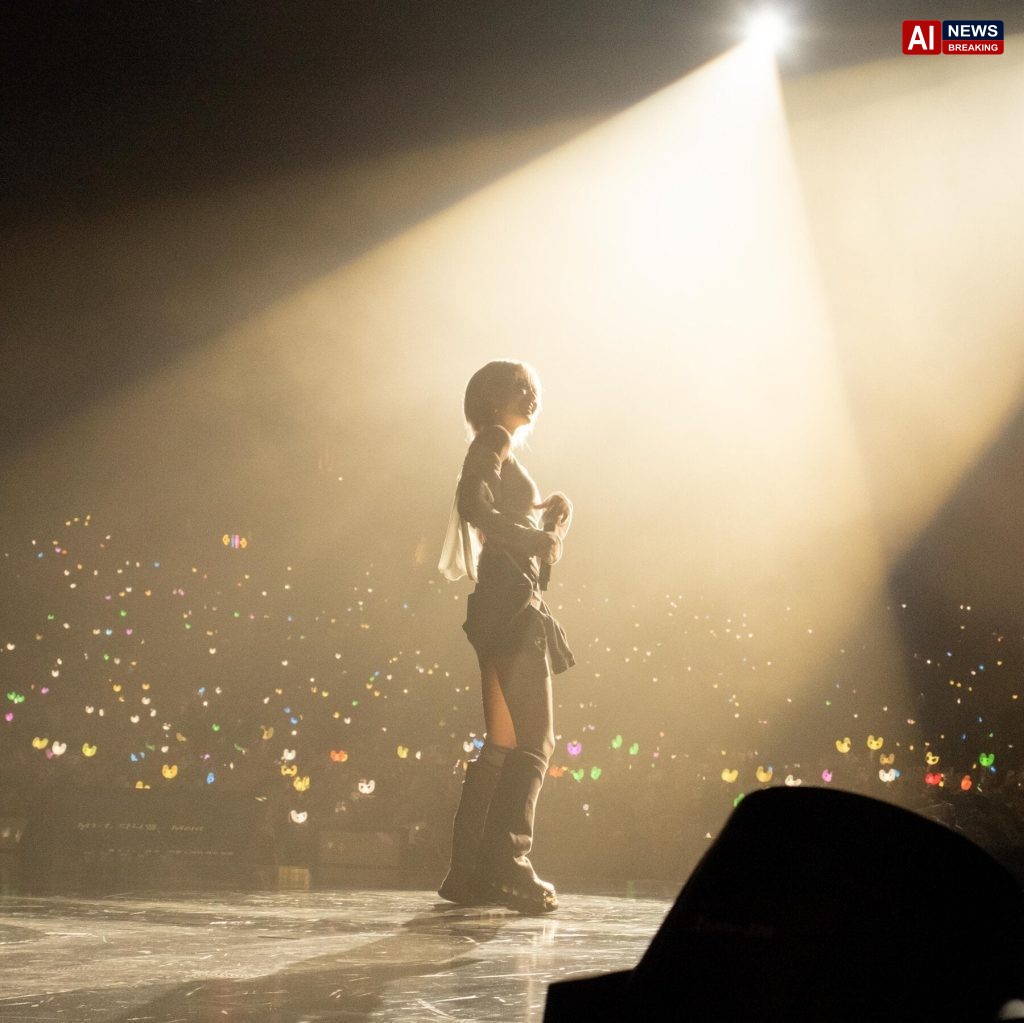
The global ascent of Korean popular music, commonly known as K‑pop, has transformed a once niche cultural export into a multibillion‑dollar industry that dominates streaming charts, fills stadiums across continents and fuels a sprawling ecosystem of fashion, cosmetics and tourism. Behind the polished choreography, glossy music videos and carefully curated social media personas, however, a growing chorus of criticism is challenging the glittering façade. Recent legal battles involving a high‑profile boy band and its management agency have thrust the industry’s contractual practices into the spotlight, prompting renewed debate over the balance between artistic ambition, commercial exploitation and the rights of performers.The dispute centres on the seven‑member group “Nova” – a name that has become synonymous with the genre’s meteoric rise in recent years..
After releasing three chart‑topping albums and embarking on world tours that sold out in cities from Seoul to London, the band announced in March that it was seeking to terminate its contract with StarLight Entertainment, the agency that discovered and groomed them. StarLight, in turn, filed a lawsuit alleging breach of contract and demanding damages amounting to several hundred million dollars. At the heart of the case lies a clause commonly referred to within the industry as the “seven‑year rule,” a provision that binds artists to a single agency for up to seven years, often with stipulations that limit solo activities, dictate personal conduct and impose steep penalties for early departure.Legal experts note that such contracts are not unique to K‑pop, but the Korean entertainment sector has long been criticised for the extreme length and rigidity of its agreements..
A 2020 study by the Korean Ministry of Culture, Sports and Tourism found that 62 percent of surveyed idols signed contracts that exceeded five years, with many containing ambiguous language regarding profit sharing and image rights. In Nova’s case, the band’s management alleges that the group received only a fraction of the revenue generated by album sales, merchandise, and endorsement deals, while the remaining profits were funneled back into the agency’s extensive training and production costs. The band’s representatives counter that StarLight’s accounting practices are opaque and that the members were misled about the true value of their contributions.Public reaction to the lawsuit has been swift and polarized..
Fans, who form an integral part of K‑pop’s economic engine through organized streaming campaigns, fan‑funded projects and massive online voting blocs, have taken to social media platforms to voice both support for the artists’ quest for autonomy and condemnation of what they perceive as betrayal of the agency that invested in their dreams. Hashtags such as #FreeNova and #FairContracts have trended worldwide, echoing earlier movements sparked by similar disputes involving other high‑profile groups. Critics argue that the intense fan culture, which often blurs the line between admiration and ownership, can exacerbate pressure on idols to conform to demanding schedules and strict image standards.The controversy arrives at a moment when the Korean government is under mounting pressure to reform the entertainment sector’s labour practices..
In 2022, the Fair Trade Commission (FTC) introduced guidelines aimed at curbing excessive contract lengths and ensuring greater transparency in profit distribution. While the FTC’s recommendations are not legally binding, they represent a tacit acknowledgement that the current system may contravene South Korean labour laws, which cap maximum working hours and require reasonable compensation. Industry insiders warn, however, that agencies wield considerable influence and that enforcement remains uneven, particularly for smaller labels that lack the resources to navigate legal complexities.Beyond the legal dimension, the dispute raises deeper questions about the cultural model that underpins K‑pop’s success..
The “idol” system, pioneered in the late 1990s by agencies such as SM Entertainment, relies on a rigorous apprenticeship that can begin when trainees are as young as twelve. These aspiring singers and dancers often live in communal dormitories, undergo grueling daily schedules and are subject to strict dietary and appearance standards. Proponents argue that this intensive regimen produces polished performers capable of delivering the high‑energy spectacles that fans expect..
Detractors, meanwhile, point to documented cases of mental health struggles, burnout and, in extreme instances, tragic suicides among young idols who feel trapped by contractual obligations and relentless public scrutiny.Recent academic research supports the notion that the pressure cooker environment of K‑pop can have detrimental effects on artists’ wellbeing. A 2023 paper published in the Journal of Asian Cultural Studies surveyed 150 current and former idols, finding that 73 percent reported experiencing anxiety or depression linked to their work conditions, while 41 percent felt they lacked adequate support from their agencies. The study also highlighted the role of “shadow contracts,” unofficial agreements that bind artists to non‑compete clauses and restrict their ability to engage in external projects, even after their official contracts have expired..
Such arrangements, the authors argue, perpetuate a cycle of dependency that undermines the very creative freedom that the industry markets as its hallmark.In response to mounting criticism, several major agencies have announced initiatives aimed at improving transparency and welfare. SM Entertainment, one of the “big three” agencies, launched a pilot program in early 2024 that provides mental health counseling and financial literacy workshops for its trainees. YG Entertainment, another industry heavyweight, has pledged to publish detailed breakdowns of revenue shares for its artists’ releases, a move intended to address accusations of profit concealment..
Nevertheless, observers caution that these measures may be more symbolic than substantive, noting that systemic change requires a comprehensive overhaul of contract structures, profit models and the broader cultural expectations placed on idols.The Nova case also underscores the growing influence of international scrutiny. With K‑pop acts now regularly appearing on Western talk shows, performing at global award ceremonies and collaborating with top‑tier Western artists, the industry is increasingly subject to the standards applied in other entertainment markets. In the United States, for example, the #MeToo movement prompted a wave of contractual reforms in the music and film sectors, emphasizing consent, safe working environments and equitable compensation..
Korean artists, many of whom have cultivated sizable followings in the West, are now leveraging this global platform to press for reforms that align with broader entertainment industry norms.Legal analysts suggest that the outcome of Nova’s lawsuit could set a precedent for future disputes. If the court rules in favour of the band, it may compel agencies to renegotiate existing contracts, introduce clearer profit‑sharing mechanisms and reduce the duration of binding agreements. Conversely, a ruling that upholds StarLight’s claims could reinforce the status quo, signalling to other artists that legal recourse remains limited..
The case is also likely to attract attention from the International Labour Organization, which has previously expressed concern about the exploitation of young performers in the entertainment sector worldwide.While the final judgment remains pending, the immediate impact on Nova’s career is already evident. The group’s upcoming world.
This development highlights evolving dynamics and may have broader implications in the near term.