Indonesia denies foreign claim to rescued orangutans
 Turkey hosts COP31 climate talks in Antalya.
 Pope meets Argentine bishops.
 APOD: 2026 November 8 – Major Fireball Meteor
 Indonesian Horror Hit ‘Pabrik Gula’ Gets 2028 Sequel as MD Entertainment Lines Up Three Imax Films
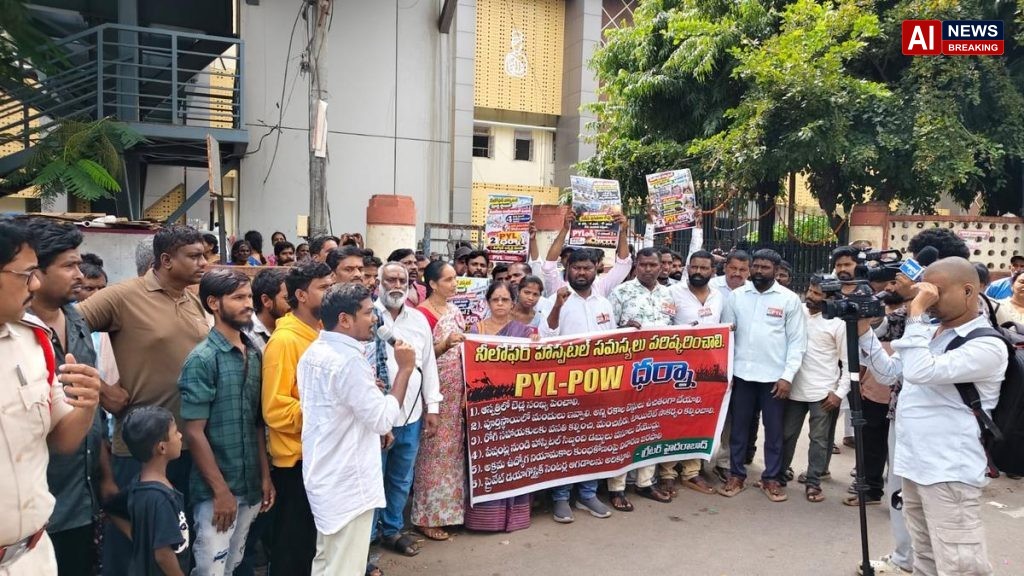
Protest at Hyderabad’s Niloufer Hospital as survey highlights bed shortages, poor sanitation and irregularities
**
Protest at Hyderabad’s Niloufer Hospital as survey highlights bed shortages, poor sanitation and irregularities - AI News Breaking
protest hyderabads niloufer hospital:
A crowd of doctors, nurses and patient‑rights activists gathered outside the historic Niloufer Hospital in Hyderabad on Monday, demanding urgent remedial action after a three‑day survey conducted by the People’s Youth League (PYL) highlighted a series of systemic failures. The demonstrators, many wearing white coats, presented a memorandum to the hospital’s superintendent, Dr Vijay Kumar, outlining twelve specific grievances ranging from chronic bed shortages to lapses in sanitation and alleged administrative irregularities. The protest, which began in the early morning and continued well into the afternoon, reflected growing frustration within the city’s medical community over conditions they say compromise patient care and staff safety.The PYL survey, carried out between 27 and 29 October, involved onsite inspections, interviews with medical personnel and a review of internal records..
According to the league’s report, the 1,500‑bed tertiary facility, which serves a dense urban catchment and a large hinterland, is operating at an occupancy rate of over 130 percent, forcing patients onto floor mattresses and temporary cots. The report estimates that at any given time, at least 200 beds are unavailable due to maintenance backlogs, while another 150 are occupied by patients who have been discharged but cannot be transferred because of a lack of community facilities. The league argues that this chronic over‑capacity strains both infrastructure and staff, leading to increased infection risk and reduced quality of care.Sanitation was another focal point of the memorandum..
Surveyors documented multiple instances of inadequate cleaning protocols in high‑traffic wards, with visible dust accumulation on surfaces and sporadic availability of hand‑washing stations. In the intensive care unit, the report noted that sterilisation equipment was sometimes left unattended for extended periods, a practice that contravenes standard infection‑control guidelines. Laboratory technicians raised concerns about the improper disposal of bio‑hazardous waste, citing overflowing bins and the occasional mixing of infectious material with general refuse..
Such lapses, the league warns, could exacerbate the spread of hospital‑acquired infections, a risk that has been magnified by the recent surge in respiratory illnesses across the region.Irregularities in procurement and resource allocation also featured prominently in the list of grievances. The memorandum accuses the hospital administration of bypassing established tendering procedures for the purchase of medical supplies, resulting in inflated prices and delayed deliveries. A review of purchase orders revealed that several high‑value contracts were awarded to firms with limited track records, raising questions about transparency and accountability..
Staff members recounted instances where essential items such as personal protective equipment and consumables were rationed despite sufficient budget allocations, a situation they attribute to mismanagement rather than scarcity.The protestors also highlighted deficiencies in emergency response capabilities. The survey found that the accident and emergency department frequently lacks functional defibrillators and that power‑backup systems are unreliable during outages, forcing the use of outdated generators. In one documented case, a patient with a cardiac arrest reportedly experienced a critical delay because the nearest functional defibrillator was located in a different wing of the hospital, requiring staff to transport the device across congested corridors..
The league argues that such systemic flaws jeopardise the hospital’s ability to deliver timely life‑saving interventions, especially during peak periods.Human resources constraints formed another pillar of the protest. The memorandum points to a shortfall of senior medical officers, with the current doctor‑to‑patient ratio falling well below the recommendations of the Medical Council of India. Nurses reported excessive overtime, often exceeding the statutory limit of 48 hours per week, and cited inadequate rest facilities..
Junior doctors described a culture of “task‑shifting,” where they are compelled to perform duties traditionally reserved for senior staff, such as independent surgical suturing, without adequate supervision. The league warns that these pressures contribute to burnout, increase the likelihood of medical errors, and ultimately diminish the quality of patient care.Patient‑rights advocates within the crowd emphasized that the identified problems disproportionately affect vulnerable groups, including the elderly, low‑income families and those requiring long‑term care. The memorandum notes that many patients are forced to remain in the hospital for extended periods because community health centres lack the capacity to receive them, creating a bottleneck that inflates occupancy figures..
Moreover, the report alleges that informal payments, though officially prohibited, continue to be solicited by certain staff members, further in the public health system.In response, Dr Vijay Kumar, who has served as superintendent for the past two years, acknowledged some of the concerns but cautioned against a “panicked” narrative. In a brief statement to the press, he asserted that the hospital has initiated a “comprehensive audit” of its facilities and processes, and that steps are already underway to augment bed capacity through the conversion of adjacent wards and the procurement of modular units. He also indicated that a task force comprising senior clinicians, administrative officers and external consultants has been formed to review procurement practices and to ensure compliance with national tendering guidelines.The health department of Telangana, which oversees Niloufer Hospital, issued a separate statement affirming its commitment to “addressing the deficiencies highlighted by the PYL survey.” Officials promised additional funding earmarked for infrastructure upgrades, the recruitment of 150 additional nursing staff and the installation of a robust, hospital‑wide power‑backup system..
They also pledged to convene a joint monitoring committee with representatives from the medical staff, patient‑rights groups and the state health ministry to track progress over the next six months.Observers note that the protest at Niloufer Hospital is part of a broader wave of discontent across India’s public hospitals, where rising patient loads, aging infrastructure and fiscal constraints have converged to strain service delivery. While the immediate focus remains on securing concrete improvements at the Hyderabad facility, the incident underscores the need for systemic reforms that balance resource allocation with accountability. As the memorandum awaits formal consideration by the hospital’s governing board, activists remain vigilant, indicating that further demonstrations may follow if promised measures are not implemented in a timely manner..
The Niloufer outcry reveals that chronic over‑capacity isn’t just a logistics glitch—it’s a breeding ground for unsafe care and staff burnout, forcing clinicians into “task‑shifting” roles they aren’t trained for. Unless Hyderabad’s health bureaucracy couples funding with transparent procurement and real