Europe warns of Russia’s hybrid attacks but struggles to counter them
  Former chief election commissioner calls SIR scheme illegal.
  A Corruption Scandal Is Reshaping Brazil’s Presidential Election
  US citizen injured in Illinois after ICE agents mistook him for fugitive, tried to arrest him
  At 10 years old, Smithsonian’s Black museum is undaunted amid pressure from Trump administration
 Revolutionary Guard Issues Direct Warning to US After Oil Tanker Strikes in Gulf of Oman
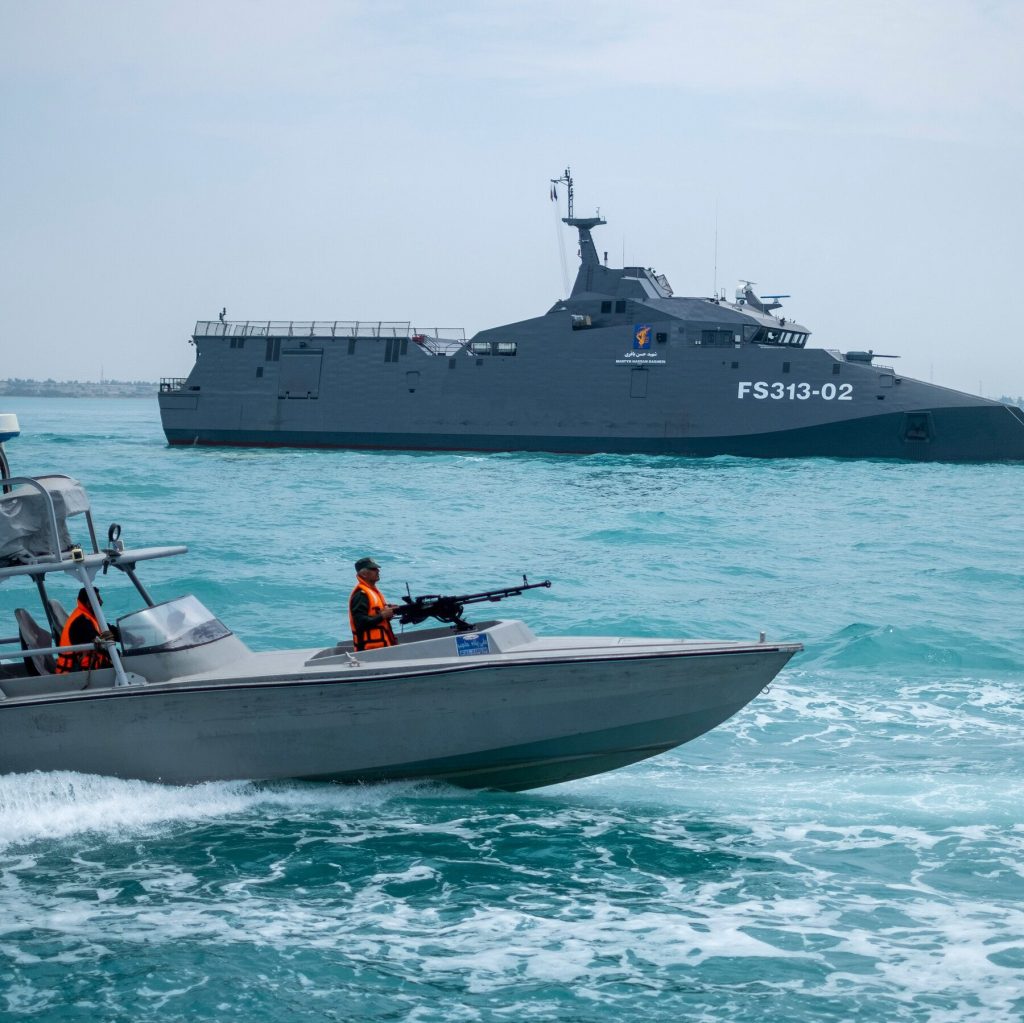
Tensions between the US and Iran escalate as Revolutionary Guard issues dire warning to Washington.
In a stark reminder of the fragile diplomatic situation, Iran’s Revolutionary Guard has issued a clear and menacing warning to the United States, vowing to retaliate against American interests in the Middle East if its oil tankers are targeted.
Updated: May 10, 2026
Tensions between the US and Iran escalate as Revolutionary Guard issues dire warning to Washington.
In a stark reminder of the fragile diplomatic situation, Iran’s Revolutionary Guard has issued a clear and menacing warning to the United States, vowing to retaliate against American interests in the Middle East if its oil tankers are targeted.
To understand the gravity of this situation, it’s essential to know that the Revolutionary Guard is a powerful force within Iran, accountable directly to Supreme Leader Ayatollah Ali Khamenei. With its formidable military capabilities and global influence, the Guard plays a critical role in shaping Iran’s foreign policy. Tensions between the US and Iran have been simmering for years, with disagreements over the landmark nuclear deal signed in 2015 and Washington’s subsequent withdrawal in 2018 igniting a cycle of reciprocal aggression.
At the heart of this current standoff lies the contentious proposal for a peace deal, which the US has been pushing as a last-ditch effort to prevent conflict. According to diplomatic sources, the latest negotiating position presented by Washington remains on the table, awaiting Tehran’s formal response. With both parties locked in an intense game of brinkmanship, the consequences of failure could be catastrophic.
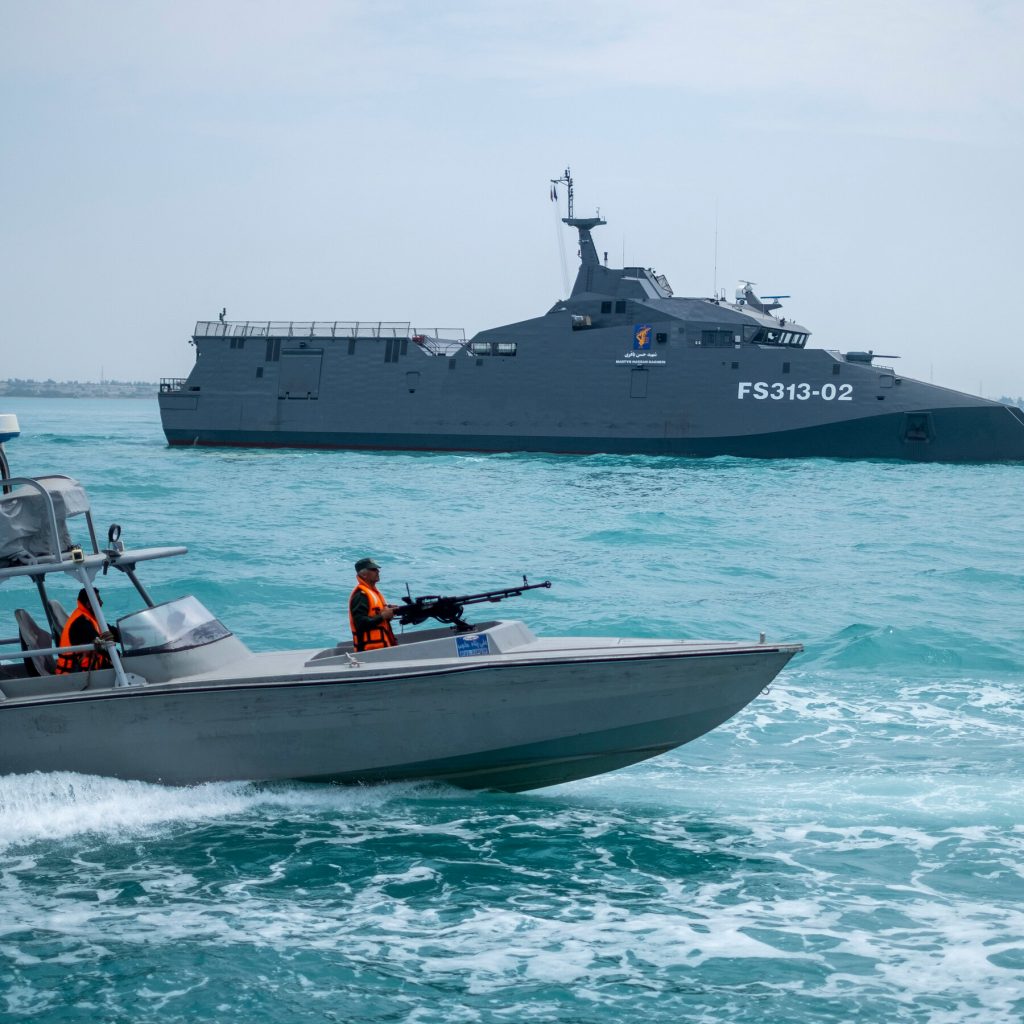
The Revolutionary Guard’s warning is seen as a direct response to a coordinated US military operation on Friday, targeting two Iranian oil tankers in the Gulf of Oman. In this incident, American forces reportedly engaged the tankers, which have since been anchored temporarily, in an effort to demonstrate its resolve. This provocative act appears designed to test Iran’s willingness to negotiate and signal the US’s determination to safeguard its interests in the region.
According to eyewitness accounts, the situation remains volatile, with both sides exchanging verbal threats. In response to the US operation, the Revolutionary Guard stated that any attack on its tankers would prompt a ferocious counterattack against an American target within the Middle East. This declaration sent a clear and ominous message to Washington, underscoring the risks faced by the current administration.
At this critical juncture, analysts warn that any misstep could have far-reaching consequences, both domestically and internationally. A miscalculation by either side could unleash a chain reaction of retaliatory strikes, potentially destabilizing an already volatile region. The ripple effects of this could be felt across the globe, influencing global fuel prices, economic growth, and regional politics.
The global implications of this escalating crisis are multifaceted. The US and Iran are key players in the Middle Eastern chessboard, with the latter being integral to the regional security architecture. Their relationship has significant implications for regional stability and could have knock-on effects on other countries in the area.
As diplomatic efforts continue to limp along, international observers and experts alike urge caution, emphasizing the need for measured and decisive action to avoid a wider conflict.
Experts predict that, despite the escalating tension between Iran and the US, both nations are likely to avoid a full-scale war for the immediate future. The economic and military costs associated with such a conflict would be prohibitively expensive, leading both leaders to seek other, more peaceful avenues to resolve their differences.
In the coming weeks and months, the international community will be keenly watching this delicate situation unfold. A solution that works for both the US and Iran will be critical in restoring calm to this critical region and preventing further instability.
As Tehran and Washington play a high-stakes game of cat and mouse, the underlying question remains: can either side afford to escalate tensions further, or will a calculated retreat be the key to de-escalation? The risk of a miscalculated move triggering a wider conflict looms large, underscoring the urgent need for a nuanced understanding of the complexities driving this fragile standoff.