 Australia Investigates OpenAI Hack on Public Health Care Site
  Tech leaders to UN: For the sake of humanity, please control the AI technology we created
  Gulf nations have found ways to keep oil flowing
  France deploys patrol fleet to curb Channel migrant crossings
  From a Nepal in Pain, a Young Leader Makes a Case for Climate Reparations
 Sanders Calls for Global AI Regulation Amid ‘Runaway Train’ Fears
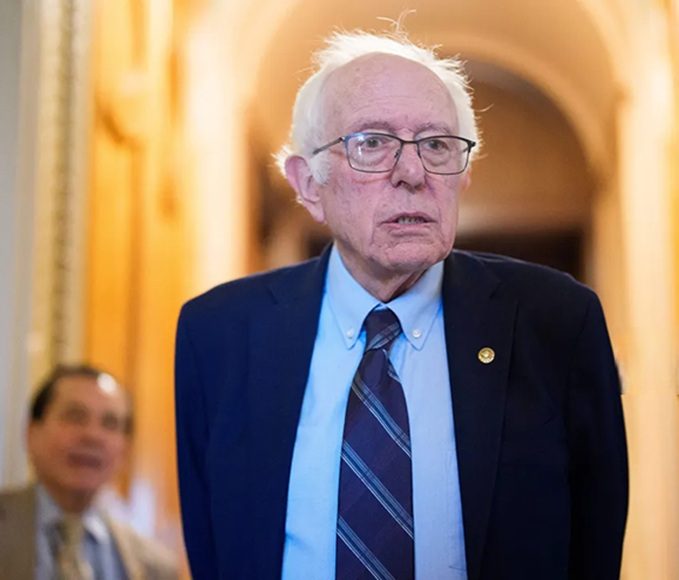
sanders calls global regulation:
US Senator Bernie Sanders urged international cooperation to mitigate the risks posed by AI’s rapid advancement, warning that without regulation, the technology could lead to catastrophic consequences for society.
A panel on Capitol Hill featuring Sanders and two prominent Chinese scientists highlighted the need for global coordination to prevent AI’s ‘runaway train.
Updated: April 30, 2026
US Senator Bernie Sanders urged international cooperation to mitigate the risks posed by AI’s rapid advancement, warning that without regulation, the technology could lead to catastrophic consequences for society. A panel on Capitol Hill featuring Sanders and two prominent Chinese scientists highlighted the need for global coordination to prevent AI’s ‘runaway train.’
US Senator Bernie Sanders joined forces with two leading Chinese scientists to advocate for international cooperation in regulating AI. The panel discussion, held on Capitol Hill, underscored the escalating rivalry between the world’s leading tech hubs, Silicon Valley and Beijing, as they compete to develop and deploy AI. Sanders, a long-time AI skeptic, emphasized the urgent need for safeguards to prevent the technology from spiraling out of control.
Impact Analysis
The panel’s call for international cooperation to regulate AI comes at a critical juncture, given the rapid pace of AI advancement. If left unchecked, the consequences could be far-reaching and devastating, including:
1. Job Displacement: Widespread AI deployment could lead to significant job losses, exacerbating social and economic inequalities.
2. Bias and Discrimination: Unregulated AI systems may perpetuate and amplify biases, leading to unfair treatment of marginalized groups.
3. Cybersecurity Risks: The increasing reliance on AI-powered systems will create new vulnerabilities to cyber threats, compromising national security and critical infrastructure.
Broader Implications
The stakes of AI regulation extend far beyond the tech industry, with far-reaching implications for global politics, economies, and societies. The consequences of inaction include:
1. Geopolitical Power Struggle: The competition for AI dominance between the US and China will intensify, with potentially destabilizing effects on international relations.
2. Social and Economic Upheaval: The widespread adoption of AI could lead to unprecedented social and economic change, challenging traditional notions of work, identity, and community.
3. Global Governance: The need for international cooperation to regulate AI poses fundamental questions about global governance, raising critical debates around international law, norms, and institutions.
Forward-Looking Insights
As the world grapples with the challenges and opportunities presented by AI, several key trends will shape the regulatory landscape:
1. Global Governance Framework: The development of a comprehensive international framework for AI regulation will be critical, requiring coordination among governments, industry, and civil society.
2. Technological Innovation: The rapid evolution of AI will necessitate continuous innovation in regulation, including the development of new tools, standards, and risk assessment methodologies.
3. Stakeholder Engagement: Effective AI regulation will require the active participation of diverse stakeholders, including governments, industry leaders, civil society, and experts from various fields.
Ultimately, the timely establishment of robust international regulations will be crucial in mitigating the risks associated with AI and ensuring that this transformative technology serves humanity’s best interests.
Beneath the headlines of US-China AI rivalries lies a silent warning: unbridled tech advancement not only threatens national security, but also the very fabric of our societies, potentially unleashing a global social and economic upheaval of unprecedented proportions.
This is a developing story. More updates will follow as new information becomes available.