 Pakistan players in doubt for Nepal Premier League
 Police investigate missing TDP spokesperson’s gun in Andhra Pradesh
 A Day After Renewed Street Clashes in France, Relief and Anxiety Mix
 Saudi Arabia Reopens Riyadh Airport After Weeks of Houthi Attacks
 Phillies Cut Ties With 11-Year MLB Shortstop After Disappointing Season
Saudi Arabia Reopens Riyadh Airport After Weeks of Houthi Attacks
**
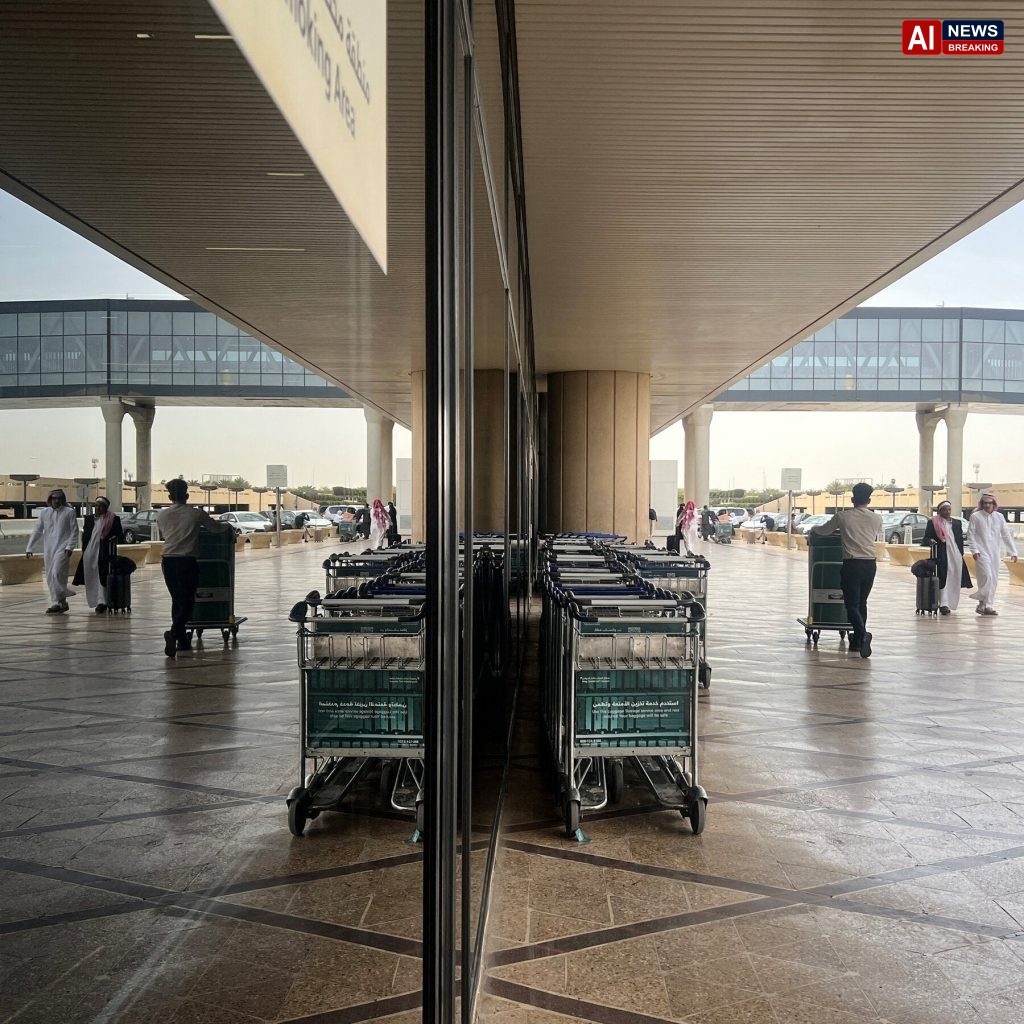
Saudi Arabia Reopens Riyadh Airport After Weeks of Houthi Attacks - AI News Breaking
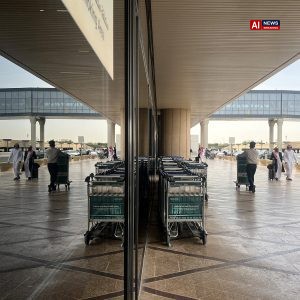
Saudi Arabia has lifted the temporary closure of Riyadh’s King Khalid International Airport after a series of missile and drone strikes attributed to the Houthi movement in Yemen. The airport, the kingdom’s primary hub for both domestic and international traffic, was shut for almost three weeks following a coordinated assault that damaged infrastructure and forced the diversion of several flights. The reopening, announced by the Civil Aviation Authority on Tuesday, signals a tentative return to normalcy for a sector that had been under unprecedented pressure since early November, when the first of the Houthi attacks hit the capital’s air gateway.The first strike, recorded on 4 November, involved a missile that struck the airport’s north‑west perimeter, igniting a fire in a fuel storage area and prompting an immediate evacuation of passengers and staff..
Although the blast caused no fatalities, the damage to the fuel system and runway lighting forced the airport’s management to suspend operations while engineers assessed the extent of the harm. Subsequent attacks on 11 November and 19 November, each involving a combination of ballistic missiles and loitering drones, targeted the control tower and a cargo terminal, further compounding the disruption. In total, the incidents resulted in the cancellation of more than 2 000 scheduled flights and stranded thousands of passengers both within Saudi Arabia and abroad.The Houthi militia, which has been fighting a Saudi‑backed coalition in Yemen since 2015, claimed responsibility for the attacks, stating that the strikes were a response to Saudi involvement in the conflict and to recent diplomatic moves perceived as supportive of Israel..
Their statements, broadcast on regional media outlets, warned that the group would continue to target “critical infrastructure” in the kingdom until what they called “the cessation of aggression against Yemen.” Analysts note that the escalation represents a shift in Houthi strategy, moving beyond the usual targeting of oil facilities and maritime routes to strike a high‑profile civilian hub far from the Yemeni border.The Saudi government responded swiftly, deploying additional air defence units to the capital and enhancing radar coverage along the Red Sea corridor. The Ministry of Defense confirmed that its Patriot and Hawk missile‑defence batteries intercepted several projectiles during the later attacks, preventing further damage. In parallel, the Saudi Arabian Airlines (Saudia) and other carriers rerouted flights to secondary airports such as King Abdulaziz International in Jeddah and Prince Mohammad bin Abdulaziz Airport in Medina, while the Ministry of Interior issued travel advisories urging passengers to avoid non‑essential travel to Riyadh until the situation stabilized.International reactions were swift..
The United States, United Kingdom and France issued statements condemning the attacks as violations of international law and pledged “full support” to Saudi efforts to protect civilian infrastructure. The United Nations ary‑General called for an “immediate cease‑fire” in Yemen and urged all parties to respect the safety of civilian transport hubs. Meanwhile, the International Civil Aviation Organization (ICAO) opened a fact‑finding mission to investigate the security breaches and to recommend measures that could be adopted by airports in conflict‑adjacent zones.The three‑week shutdown had a measurable impact on Saudi Arabia’s aviation sector, which contributes roughly 2 percent of the kingdom’s GDP..
Airline revenues fell by an estimated 12 percent during the period, and cargo volumes dropped by nearly 18 percent, according to data released by the General Authority for Statistics. Hotels and tourism operators in Riyadh reported occupancy rates slipping from a pre‑attack average of 78 percent to just 42 percent, highlighting the broader economic ripple effect of the disruption.Reopening the airport required a coordinated effort involving the Saudi Civil Aviation Authority, the airport’s private operator, and a consortium of engineering firms tasked with restoring damaged systems. Engineers repaired the runway lighting, replaced compromised fuel lines and reinforced the perimeter fence with additional barriers and surveillance cameras..
The control tower, which had suffered structural damage, was retrofitted with hardened communication equipment to ensure resilience against future electronic attacks. The Ministry of Transport announced that all safety certifications had been re‑validated by an independent audit panel before flights resumed.Airlines have begun to gradually restore their schedules, though many still operate with reduced frequencies as they assess passenger demand and the reliability of the newly installed defensive measures. Saudia, the national carrier, announced a phased return to its pre‑closure timetable, prioritising routes to Europe and the Gulf Cooperation Council states..
Low‑cost operators such as Flynas and Flyadeal have also signalled a return to service, albeit with a cautious approach to capacity. Travelers who booked tickets during the closure are being offered full refunds or the option to rebook without penalty, a policy that the airline industry hopes will rebuild confidence among wary passengers.Security experts caution that the reopening does not guarantee immunity from further attacks. The Houthi militia has demonstrated a growing capacity to launch long‑range projectiles, and the recent use of loitering munitions suggests an evolution in their tactics..
Saudi officials have pledged to maintain an “enhanced air‑defence posture” around the capital for the foreseeable future, including the deployment of additional surface‑to‑air missile systems and the integration of allied intelligence assets. The kingdom is also exploring the construction of hardened underground shelters for critical airport facilities, a move that could set a precedent for other airports in geopolitically volatile regions.The episode underscores the increasingly complex security environment surrounding civil aviation in the Middle East. While the direct target was a civilian airport, the attacks are part of a broader pattern of asymmetrical warfare that blurs the line between military and civilian domains..
As Riyadh works to normalise operations at its flagship gateway, the international community will be watching closely to see how effectively the kingdom can safeguard its transport infrastructure while navigating the diplomatic fallout from an ongoing regional conflict that shows few signs of abating..
Updated: October 25, 2026
Riyadh’s airport reopening signals not just a logistical fix but a strategic pivot—Saudi Arabia is now forced to treat civilian hubs as front‑line assets, reshaping its defense posture and investment priorities.
If the Houthi shift to high‑visibility civilian targets sticks, regional airlines may face a new era