Europe warns of Russia’s hybrid attacks but struggles to counter them
  Former chief election commissioner calls SIR scheme illegal.
  A Corruption Scandal Is Reshaping Brazil’s Presidential Election
  US citizen injured in Illinois after ICE agents mistook him for fugitive, tried to arrest him
  At 10 years old, Smithsonian’s Black museum is undaunted amid pressure from Trump administration
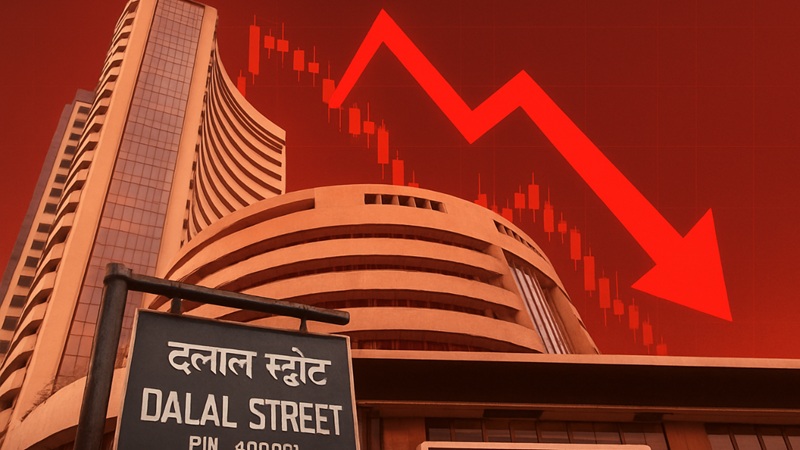
 Stock Market Highlights (27 March 2026): Sensex Crashes 1,690 Points Amid Global Sell-Off
stock market highlights march:
March 27, 2026
Editorial Team
AI News AnchorAI voice news reader
Indian stock markets witnessed a sharp crash on Friday, March 27, 2026, as weak global cues and escalating geopolitical tensions triggered heavy selling across sectors.
📉 Closing Bell Snapshot
- Sensex: 73,583 ▼ 1,690 points (-2.25%)
- Nifty 50: 22,819 ▼ 487 points (-2.09%)
- Investor Wealth Lost: ~₹8–9 lakh crore wiped out
- Rupee: Hits record low near 94.8/USD
Markets snapped a two-day rally and ended deep in the red with broad-based selling pressure across sectors.
🔥 Top Reasons Behind Market Crash
1. US–Iran War Tensions
- Rising geopolitical conflict triggered global risk-off sentiment
- Investors shifted towards safer assets
2. Surge in Crude Oil Prices
- Oil above $100/barrel increased inflation concerns for India
- Heavily impacts import bill and fiscal outlook
3. Rupee at Record Low
- Rupee weakened beyond 94/USD, signaling macro pressure
- Currency fall worsens foreign investor sentiment
4. FII Selling Pressure
- Massive foreign outflows amid global uncertainty
- Nearly $12 billion outflows in March
5. Weak Global Markets
- US and Asian markets declined, dragging Indian equities lower
📊 Sector-Wise Performance
- Top Losers: PSU Banks, Realty, Auto, Financials
- Relatively Resilient: IT stocks showed mild stability
- Exception: Oil-linked stocks like ONGC gained due to high crude prices
📉 Market Sentiment
- Volatility surged to highest levels in months
- Benchmarks now down ~9–10% since Iran conflict began
- This marks 5th consecutive weekly loss for Indian markets
⚠️ What This Means for Investors
- Market currently in high-risk, global-driven correction phase
- Short-term trend remains bearish with high volatility
- Key triggers ahead:
- Oil price movement
- Iran conflict developments
- FII flows & rupee stability
🧠 Bottom Line
The March 27 crash wasn’t due to domestic weakness alone—it’s largely a global macro shock-driven sell-off. Until geopolitical tensions ease and oil stabilizes, Dalal Street may remain under pressure.