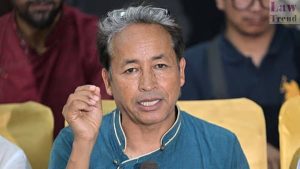
 Students suspend mess hall protest pending SPPU fee review
  Iran proposes seven‑day timetable
  Tasia Fortune’s hanging was ‘staged’ after her death in a drug dispute, police say
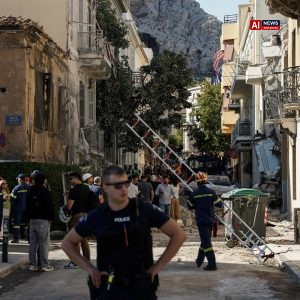
  6 People Are Missing After Explosion in Athens Tourist District
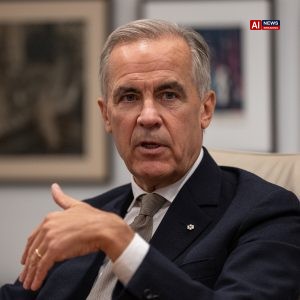
  Carney Seeks New Trade Partners for Canada, But Knows the Limits
 Students suspend mess hall protest pending SPPU fee review

SPPU students suspend mess fee protest after V-C assurance; decision on hike on Sept 26 - AI News Breaking
Students at Savitribai Phule Pune University (SPPU) have ended a weeks‑long protest against a proposed increase in mess fees after the university’s vice‑chancellor gave an assurance that the matter would be reviewed. The decision on whether the hike will be implemented is now slated for a meeting on 26 September, but the university’s student body has indicated that a “thali march” will proceed at 4 p.m. on that day if the promised circular rescinding the increase is not issued.The controversy began in early August when the university’s administrative council announced a 15 per cent rise in the mess fee for the upcoming academic year..
The move was justified by the authorities as a response to rising operational costs, including food procurement and staff salaries. However, many students argued that the increase would disproportionately affect those from low‑income backgrounds, and that the university had failed to consult the student community before finalising the decision.The Students’ Federation of India (SFI), which leads the protest, quickly organised a series of actions to draw attention to the issue. On 12 August, a group of 200 students occupied the central mess hall, demanding a reversal of the hike and a transparent dialogue with university officials..
The occupation was peaceful, with participants distributing pamphlets outlining the financial strain the increase would impose on vulnerable students. Over the following weeks, the protest expanded to include symbolic “thali” demonstrations, where students carried empty plates to signify the threat of hunger that a higher fee could bring.University officials initially responded with a statement that the fee increase was “necessary and in line with comparable institutions”. They urged students to raise their concerns through the established grievance redressal mechanisms, citing the university’s policy that any fee changes must be approved by the Board of Studies and communicated at least thirty days in advance..
The students, however, pointed out that the notice had been issued only ten days before the start of the new semester, leaving little time for financial planning.As the protest gained momentum, media coverage amplified the debate. Local newspapers and online portals highlighted stories of students who were forced to cut back on essential expenses, such as textbooks and transport, to accommodate the higher mess fees. Some faculty members expressed solidarity, noting that the university’s ethos of inclusive education should extend to affordable nutrition..
A senior lecturer in the Department of Economics, Dr Anjali Mehta, commented, “When the cost of a basic meal rises, it undermines the very purpose of public education. The administration must consider the broader social impact of its fiscal decisions.”The vice‑chancellor, Professor Dr Madhav Joshi, convened an emergency meeting with student representatives on 20 August. In a press briefing, he acknowledged the concerns and promised a “thorough review” of the fee structure..
He also announced that a circular rescinding the hike would be circulated if the university’s finance committee found the increase untenable. “We are committed to ensuring that no student is denied a nutritious meal due to financial constraints,” he said. The statement was met with cautious optimism, and the SFI announced a temporary suspension of the mess hall occupation pending the outcome of the review.In the intervening days, the university’s finance department released a detailed report outlining the projected shortfall without the fee increase..
According to the document, the mess service would face a deficit of approximately ₹2.3 crore (about USD 280,000) in the coming year, a shortfall that the administration claimed could compromise food quality and staff wages. The report also noted that the university had received a modest increase in funding from the state government, but that the amount was insufficient to cover the projected gap.Student leaders, while recognising the financial challenges, argued that the university could explore alternative measures rather than passing costs onto students. Suggestions put forward included tightening procurement processes, seeking corporate sponsorships for the mess, and reallocating surplus funds from other departments..
SFI spokesperson Arjun Singh stated, “We are not opposed to fiscal responsibility; we are opposed to a top‑down decision that disregards the lived realities of students.”The university’s Board of Studies scheduled a special session for 26 September to consider the fee issue, with the vice‑chancellor, finance officers, and student representatives slated to attend. The meeting is expected to culminate in the issuance of a formal circular either confirming the withdrawal of the hike or outlining a revised, potentially lower, increase. The SFI has warned that if the circular is not released by the end of the meeting, a coordinated “thali march” will be organised at 4 p.m..
across the campus, involving a procession of students carrying empty plates to the main administrative building.Campus security has been placed on alert in preparation for the march, though university officials have expressed confidence that the demonstration will remain peaceful. “We respect the right to protest and will ensure that any gathering proceeds without disruption to academic activities,” said Deputy Director of Campus Safety, Ramesh Kulkarni. The administration has also arranged for additional volunteers to manage traffic and crowd control, citing lessons learned from previous protests at the university.The broader student community has responded with a mix of solidarity and fatigue..
While many students have joined the SFI’s call for a march, others have expressed concerns about academic disruptions, particularly as the university approaches the final examination period. A survey conducted by the student union found that 68 per cent of respondents supported the protest, while 22 per cent were undecided and 10 per cent opposed further action.Outside observers note that the SPPU dispute reflects a national trend of rising education-related costs and heightened student activism. Across India, universities have faced similar backlash over fee hikes in hostel accommodations, transport, and extracurricular facilities..
Analysts suggest that institutions must balance fiscal sustainability with the social mandate of affordable education, especially in public universities that serve large numbers of economically disadvantaged students.As the deadline looms, the atmosphere on the SPPU campus is charged with anticipation. Students have been seen rehearsing march routes and distributing leaflets that read, “No fee hike, no empty plates.” Faculty members have offered to mediate, proposing a joint committee to explore cost‑saving measures without compromising student welfare. The vice‑chancellor has reiterated his commitment to transparency, promising that the final decision will be communicated in writing and posted on the university’s official website within 24 hours of the Board’s meeting.The outcome of the 26 September session will likely set a precedent for how the university handles financial pressures in the future..
If the circular rescinding the fee hike is issued, it could be hailed as a victory for student mobilisation and participatory governance. Conversely, if the hike is confirmed, the planned thali march may become a flashpoint for further unrest, potentially drawing attention from.
Updated: September 25, 2026
Summary: Students at Savitribai Phule Pune University have suspended a week‑long sit‑in against a proposed 15% mess‑fee hike after the vice‑chancellor pledged a review, with a decision slated for a board meeting on 26 September. The student body warned that a “thali march” with empty plates will go ahead that afternoon if a circular canceling the increase is not issued.
The SPPU mess‑fee showdown underscores how fiscal crunches can ignite broader class‑based dissent, turning a routine budget tweak into a litmus test for the university’s social contract.
If the administration bows to the “thali march,” it may signal a new era where student mobilization,