Europe warns of Russia’s hybrid attacks but struggles to counter them
  Former chief election commissioner calls SIR scheme illegal.
  A Corruption Scandal Is Reshaping Brazil’s Presidential Election
  US citizen injured in Illinois after ICE agents mistook him for fugitive, tried to arrest him
  At 10 years old, Smithsonian’s Black museum is undaunted amid pressure from Trump administration
 Trinamool Congress Takes Bengal Election Counting Grievances to SC, Crucial Hearing Today Could Shape Election Outcome
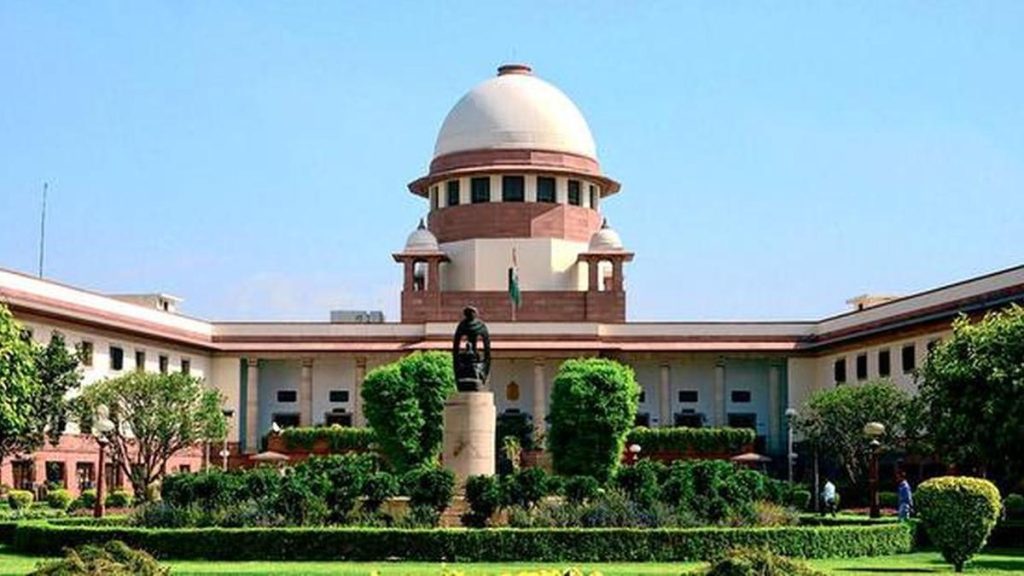
Trinamool Congress Takes Its Grievances to the Supreme Court Over Bengal Election Counting
Today, a special bench of the Supreme Court is set to hear a plea filed by the Trinamool Congress (TMC) against a recent directive requiring central government employees as counting supervisors or assistants for Bengal’s assembly election vote count.
At the heart of this controversy lies the TMC’s concern that such a move undermines the principles of free and fair elections.
Updated: May 2, 2026
Trinamool Congress Takes Its Grievances to the Supreme Court Over Bengal Election Counting
Today, a special bench of the Supreme Court is set to hear a plea filed by the Trinamool Congress (TMC) against a recent directive requiring central government employees as counting supervisors or assistants for Bengal’s assembly election vote count. At the heart of this controversy lies the TMC’s concern that such a move undermines the principles of free and fair elections.
What Happened
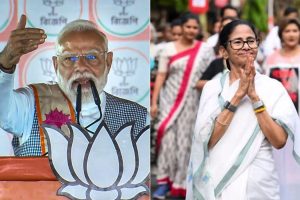
The Trinamool Congress has moved to the Supreme Court, seeking a stay on the directive issued by the Central Election Commission (CEC). As part of this directive, the CEC has asked the Election Commission of West Bengal (EC WB) to mandate central government employees as supervisors or assistants for the counting process. The party argues that this decision is arbitrary, discriminatory, and creates bias in favor of the ruling Bharatiya Janata Party (BJP) at the Centre.
Background Timeline
Over the years, the TMC has been at the helm of West Bengal, while the BJP has maintained a strong presence at the Centre. This divergence has led to a series of high-stakes electoral battles in the state. Recently, the model code of conduct was relaxed, and several states, including West Bengal, underwent their assembly elections. Amidst this backdrop, the CEC’s directive has become a contentious issue.
In 2018, the TMC-led government in West Bengal won a decisive mandate in the assembly elections. However, since then, tensions between the TMC and the BJP have escalated. The party, which has been at the opposition in West Bengal, has been demanding a re-evaluation of the counting protocols. This has been met with resistance from the ruling TMC, which has termed the move an attempt to manipulate the electoral process.
Key Concerns
The Trinamool Congress has raised several concerns regarding the directive. Firstly, they argue that the directive is arbitrary and lacks a clear rationale. Secondly, the party fears that the involvement of central government employees would create bias in favor of the ruling BJP. Lastly, the TMC claims that this directive undermines the principle of a level playing field and free elections, ultimately compromising the integrity of the electoral process.
What Next
Today’s hearing is crucial, as the TMC’s plea seeks to address the concerns over the directive. If the Supreme Court grants a stay on the directive, the Election Commission of West Bengal would be barred from implementing the CEC’s orders. However, if the plea is rejected, the party would be left with limited options to challenge the directive. As the country waits with bated breath for the Supreme Court’s verdict, one thing is clear: the stakes in Bengal’s assembly elections have just gotten higher.
This move by the Trinamool Congress suggests a deep-seated fear of bias creeping into Bengal’s election process, which raises questions about the resilience of India’s democratic institutions.
The Supreme Court’s verdict today could set a significant precedent for future election processes, potentially altering the delicate balance between state and central government influence on local polls.
This is a developing story. More updates will follow as new information becomes available.
This is a developing story. More updates will follow as new information becomes available.