Europe warns of Russia’s hybrid attacks but struggles to counter them
  Former chief election commissioner calls SIR scheme illegal.
  A Corruption Scandal Is Reshaping Brazil’s Presidential Election
  US citizen injured in Illinois after ICE agents mistook him for fugitive, tried to arrest him
  At 10 years old, Smithsonian’s Black museum is undaunted amid pressure from Trump administration
 Trump Escalates Pressure on Iran as US Conducts Fresh Airstrikes Following Threat of More Military Action
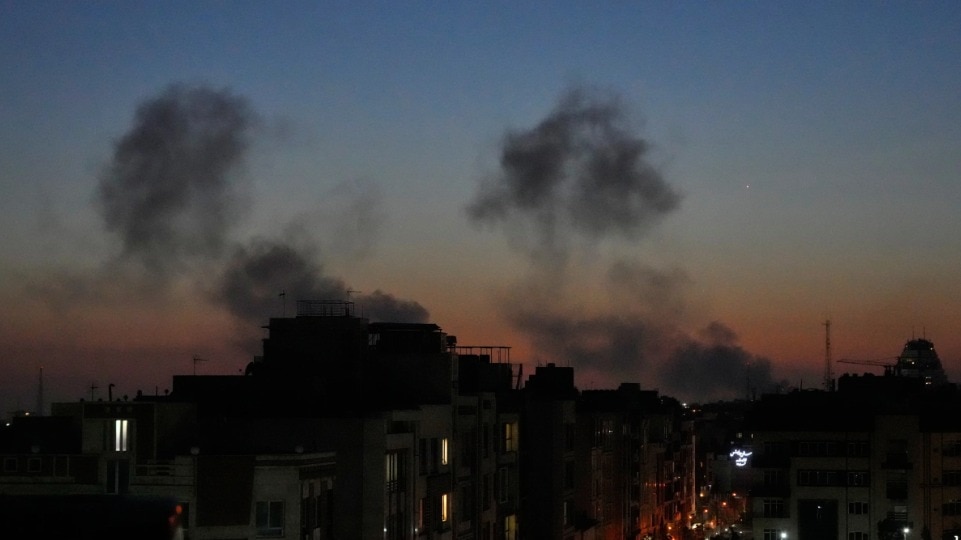
trump escalates pressure iran:
The United States carried out a new series of military strikes against targets inside Iran on Wednesday, marking a significant escalation in the ongoing confrontation between Washington and Tehran. The latest operation came just hours after President Donald Trump warned that Iran would be attacked “very hard” if it continued delaying negotiations aimed at ending the rapidly worsening crisis.
According to the U.S. Central Command (CENTCOM), American forces launched airstrikes against multiple Iranian targets at approximately 5:15 p.m. EDT. Military officials described the attacks as a direct response to what they called Iran’s “unwarranted and continued aggression” against U.S. forces and interests in the region.
The strikes represent the second consecutive day of direct U.S. military action against Iran and have raised concerns that the region could be sliding toward a broader conflict involving multiple countries across the Middle East. Analysts warn that the latest developments threaten ongoing diplomatic efforts and could further destabilize one of the world’s most strategically important regions.
Trump Issues Stark Warning
President Trump dramatically escalated his rhetoric before the strikes, accusing Iran of deliberately dragging out negotiations and refusing to accept what Washington considers a reasonable peace agreement.
Speaking to reporters in Washington, Trump said Iran had been given multiple opportunities to reach a deal but had failed to act. He warned that the United States would intensify military operations if Tehran continued to resist diplomatic efforts.
“We’re going to be attacking them very hard,” Trump said, signaling that additional military action remains a strong possibility if negotiations fail.
In separate remarks, Trump argued that Iranian leaders had taken too long to negotiate and would now “pay the price” for their actions. He suggested that future strikes could target additional infrastructure if Iran refuses to compromise.
The comments marked a notable shift from the administration’s earlier optimism that a peace agreement could be reached through negotiations. While U.S. officials continue to insist that diplomacy remains possible, recent military actions indicate Washington is increasingly willing to use force to achieve its objectives.
CENTCOM Confirms New Airstrikes
The U.S. military announced that American forces had struck multiple locations inside Iran. Although officials did not immediately provide a comprehensive list of targets, previous operations reportedly focused on military infrastructure, air-defense systems, radar facilities, and strategic sites believed to support Iranian military activities.
Defense Secretary Pete Hegseth defended the operation, arguing that Iran had ignored opportunities to pursue peace and had instead continued actions that threatened U.S. personnel and regional security.
Hegseth stated that the military was prepared to strike facilities considered critical to Iran’s operational capabilities. He emphasized that the administration would continue using military force if diplomatic efforts failed.
The Pentagon has not yet released detailed information about the extent of the damage caused by the latest strikes. However, officials indicated that the operation was designed to reduce Iran’s ability to conduct future attacks and to improve security conditions for American forces operating in the region.
Escalation Follows Earlier Confrontations
The latest U.S. military action follows several days of rapidly escalating hostilities between the two countries.
Tensions intensified after the downing of a U.S. Apache helicopter near the Strait of Hormuz, an incident that Washington has attributed to Iranian actions. The helicopter incident triggered a series of retaliatory responses and significantly increased fears of a broader military confrontation.
Following the helicopter incident, the United States launched strikes targeting Iranian military assets. Iran subsequently responded with missile and drone attacks aimed at U.S. military installations across the Gulf region, including bases in Bahrain, Jordan, and Kuwait. American officials reported intercepting many of the incoming threats, although the exchanges underscored the growing danger of direct military conflict.
Military analysts note that both sides appear determined to demonstrate strength while avoiding a full-scale war. However, repeated rounds of retaliation increase the risk of miscalculation and unintended escalation.
Fragile Diplomacy Continues
Despite the military escalation, diplomatic efforts have not completely collapsed.
Qatari mediators have reportedly continued discussions with Iranian officials in an attempt to revive negotiations and prevent further violence. Several regional governments are also urging restraint and encouraging both sides to return to the negotiating table.
The core dispute centers on a range of issues, including sanctions relief, regional security arrangements, control of strategic waterways, and concerns surrounding Iran’s nuclear activities. Washington continues to demand stronger guarantees regarding Iran’s nuclear program, while Tehran seeks economic relief and assurances against future military actions.
However, recent military developments have complicated the negotiating environment. Iranian officials have repeatedly stated that they will not negotiate under military pressure, while U.S. officials insist that continued aggression will bring further consequences.
Strait of Hormuz Remains a Global Concern
The confrontation has renewed concerns about security in the Strait of Hormuz, one of the world’s most important energy corridors.
The waterway serves as a critical route for global oil shipments, and any disruption could have significant consequences for international energy markets. President Trump claimed that U.S. military operations have played a key role in protecting commercial shipping through the strait amid rising tensions.
Market participants are closely monitoring the situation. The latest escalation has already contributed to volatility in global financial markets and heightened concerns about potential disruptions to energy supplies. Several Asian stock markets recorded significant declines as investors reacted to the growing uncertainty surrounding the conflict.
International Reactions
Governments across the Middle East and beyond are watching developments with increasing concern.
Regional powers fear that continued military exchanges could draw additional countries into the conflict and threaten broader stability. Several nations have called for immediate de-escalation and renewed diplomatic engagement.
Security experts warn that a prolonged confrontation between the United States and Iran could affect international trade routes, energy markets, and geopolitical stability far beyond the Middle East. The risk of accidental escalation remains particularly high as military forces from multiple countries operate in close proximity across the region.
What’s Next?
The immediate future remains uncertain. President Trump has made clear that additional military action remains an option if Iran does not move toward a peace agreement. At the same time, diplomatic channels remain active, suggesting that both sides still see value in negotiations despite the escalating conflict.
Military planners, diplomats, and global markets are now closely watching Tehran’s next move. Any further retaliation by Iran could trigger additional U.S. strikes, increasing the risk of a wider regional war.
For now, the Middle East remains on edge as Washington and Tehran balance military confrontation with fragile diplomatic efforts aimed at preventing an even larger crisis.
The latest U.S. strikes against Iran illustrate how quickly diplomatic disputes can evolve into military confrontations when negotiations stall and mutual distrust deepens. While both Washington and Tehran continue to publicly support dialogue, the ongoing exchange of strikes and retaliatory actions is narrowing the space for compromise. The coming days will be critical: successful mediation could restore momentum toward a negotiated settlement, but further escalation risks destabilizing regional security, disrupting global energy markets, and drawing additional actors into a conflict with far-reaching international consequences.