Europe warns of Russia’s hybrid attacks but struggles to counter them
  Former chief election commissioner calls SIR scheme illegal.
  A Corruption Scandal Is Reshaping Brazil’s Presidential Election
  US citizen injured in Illinois after ICE agents mistook him for fugitive, tried to arrest him
  At 10 years old, Smithsonian’s Black museum is undaunted amid pressure from Trump administration
 Trump Halts US Effort to Escort Ships Through Strait of Hormuz Amid Iran Tensions
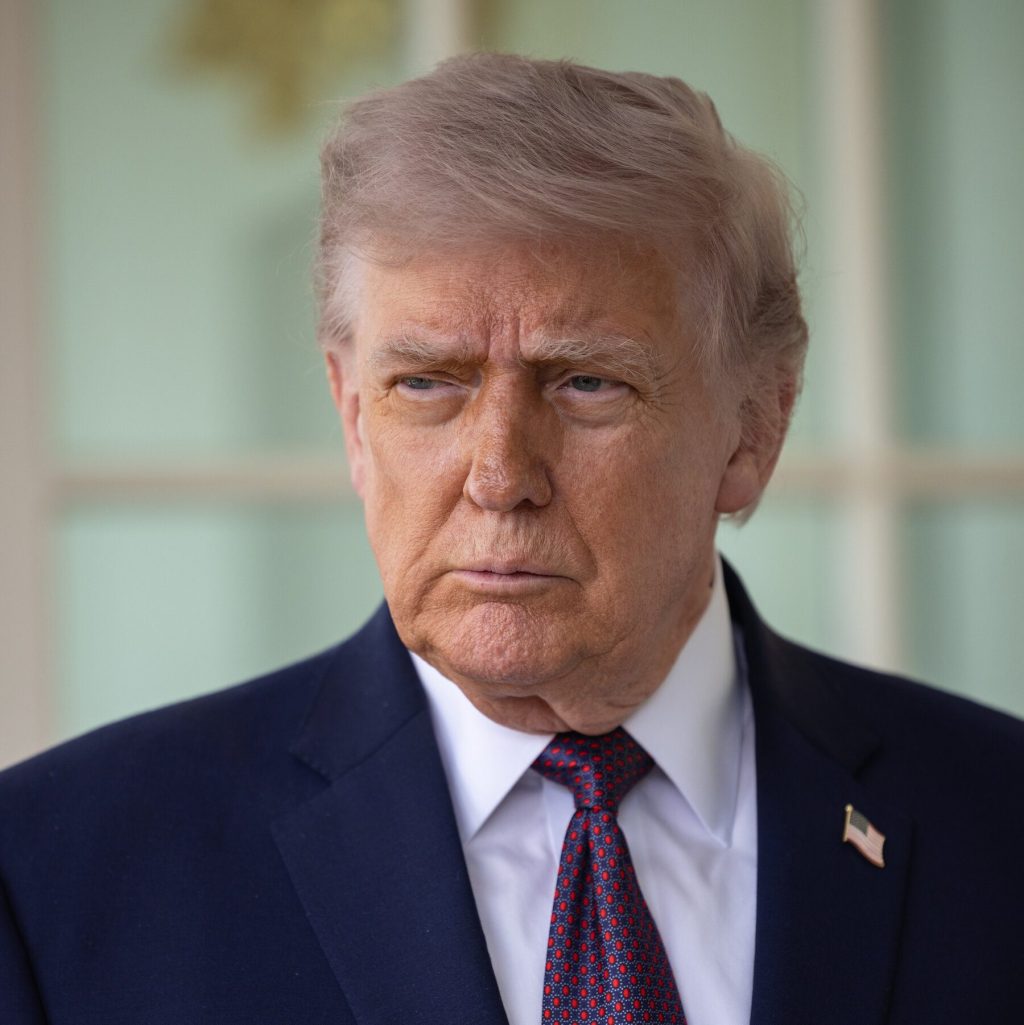
trump halts effort escort:
In a sudden and unexpected reversal, President Trump announced that the US will halt its efforts to guide ships through the Strait of Hormuz, currently blocked by Iran.
This decision comes despite earlier statements from Defense Secretary Pete Hegseth indicating a continued US presence in the area.
Updated: May 6, 2026
In a sudden and unexpected reversal, President Trump announced that the US will halt its efforts to guide ships through the Strait of Hormuz, currently blocked by Iran. This decision comes despite earlier statements from Defense Secretary Pete Hegseth indicating a continued US presence in the area.
Core News
The development marks a significant shift in the US’s approach to the maritime crisis, which began after Iran seized a South Korean oil tanker in January. The move has sparked concerns among global markets and governments, with many fearing the implications for global oil supplies and regional stability.
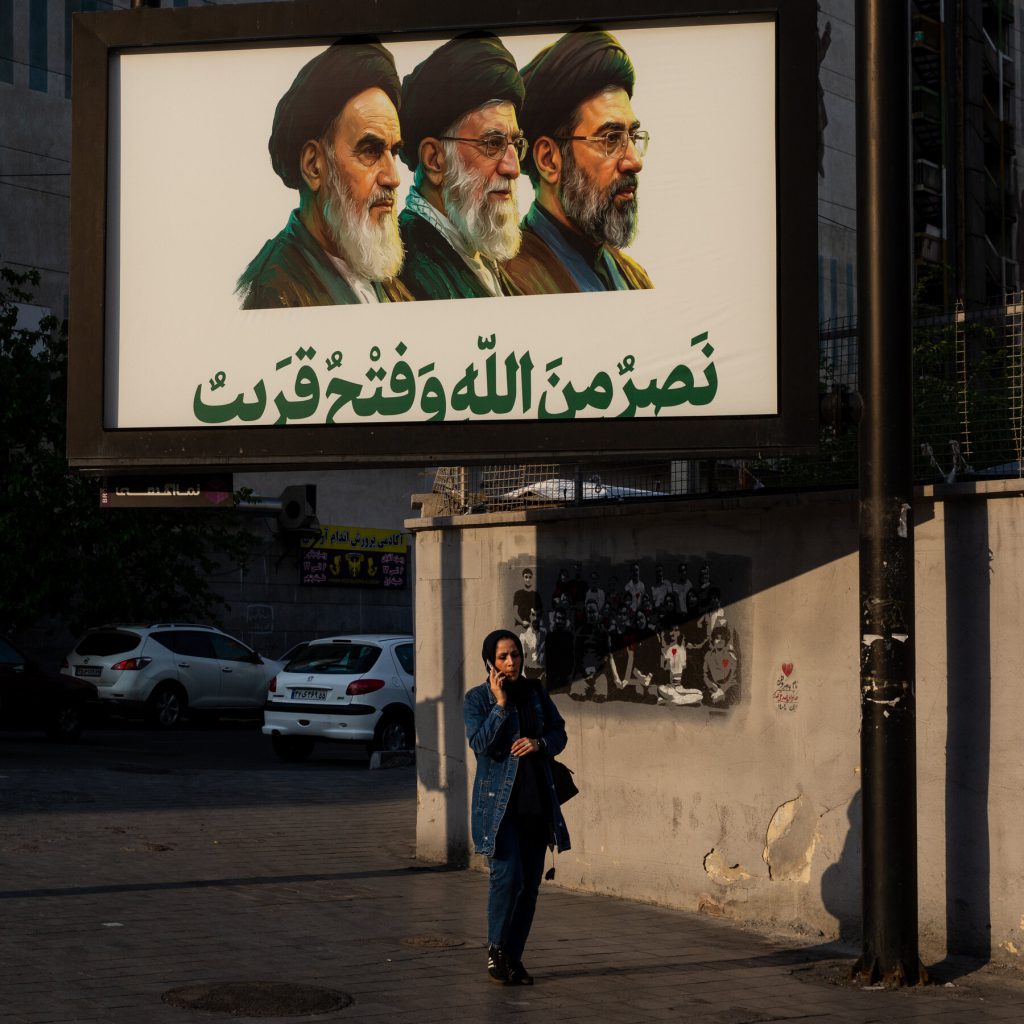
According to President Trump, the US’s efforts to escort ships through the Strait will be put on hold, leaving vessels vulnerable to potential Iranian aggression. Meanwhile, Defense Secretary Hegseth’s earlier statement on continued US support appears to have been contradicted by the President’s latest remarks.
Impact Analysis
The sudden reversal has already sent shockwaves through global markets, with oil prices surging on concerns about the potential for supply disruptions. The Strait of Hormuz is a critical chokepoint for global oil trade, with nearly 20% of the world’s oil passing through it. Any disruption to this flow could have severe economic consequences, including price spikes and supply shortages.
The move also raises significant geopolitical risks, particularly in the context of escalating tensions between the US and Iran. The decision will be seen as a concession by the US, potentially emboldening Iranian hardliners and increasing the likelihood of further provocation. This could lead to a destabilization of the entire region, with far-reaching implications for global stability and security.
Broader Implications
The implications of the US’s sudden shift in policy extend beyond the Strait of Hormuz itself, with potential consequences for the global economy and regional geopolitics. A sustained disruption to oil supplies could have severe economic repercussions, particularly for countries reliant on imports. This includes key trade partners such as South Korea, Japan, and Singapore, which have been vocal in their opposition to the US’s recent policy shift.
In the longer term, the decision highlights the increasing fragility of the global oil market and the challenges of maintaining regional stability in the face of rising tensions. As global powers continue to jockey for position in the region, the Strait of Hormuz is poised to become a critical focal point, with far-reaching implications for global security and economic stability.
Forward-Looking Insights
As the situation continues to unfold, several key developments will be worth watching:
1. The impact of the US’s policy reversal on global oil markets, including potential price surges and supply chain disruptions.
2. The response of key regional players, including Iran, South Korea, and Saudi Arabia, to the sudden shift in US policy.
3. The implications of a sustained disruption to oil supplies for the global economy, including potential recessionary pressures and trade tensions.
4. The potential consequences of escalating tensions between the US and Iran, including the risk of military confrontation and regional destabilization.
As the situation continues to evolve, it is essential to stay focused on the impact and consequences of the US’s sudden shift in policy, as well as the broader implications for global economic and geopolitical stability.
In a surprising move, the US has essentially surrendered the diplomatic initiative in the Strait of Hormuz, potentially emboldening Iran and heightening regional tensions. This reversal suggests President Trump may be prioritizing short-term PR gains over long-term strategic stability in the region.
This is a developing story. More updates will follow as new information becomes available.