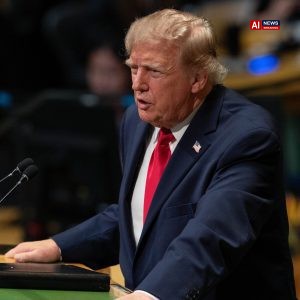
 It’s not BRICS or UN, BRICS is supportive of UN: Jaishankar
  Neighbor charged with murder after Georgia DoorDash driver found dismembered
  Trump faces Senate test in Georgia, North Carolina as GOP candidates trail Democrats in survey
  Trump rejects Iran cease‑fire proposal for Strait
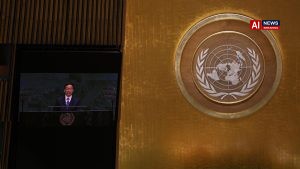
  China’s Vice‑President Wang Yi
 Trump rejects Iran cease‑fire proposal for Strait
**
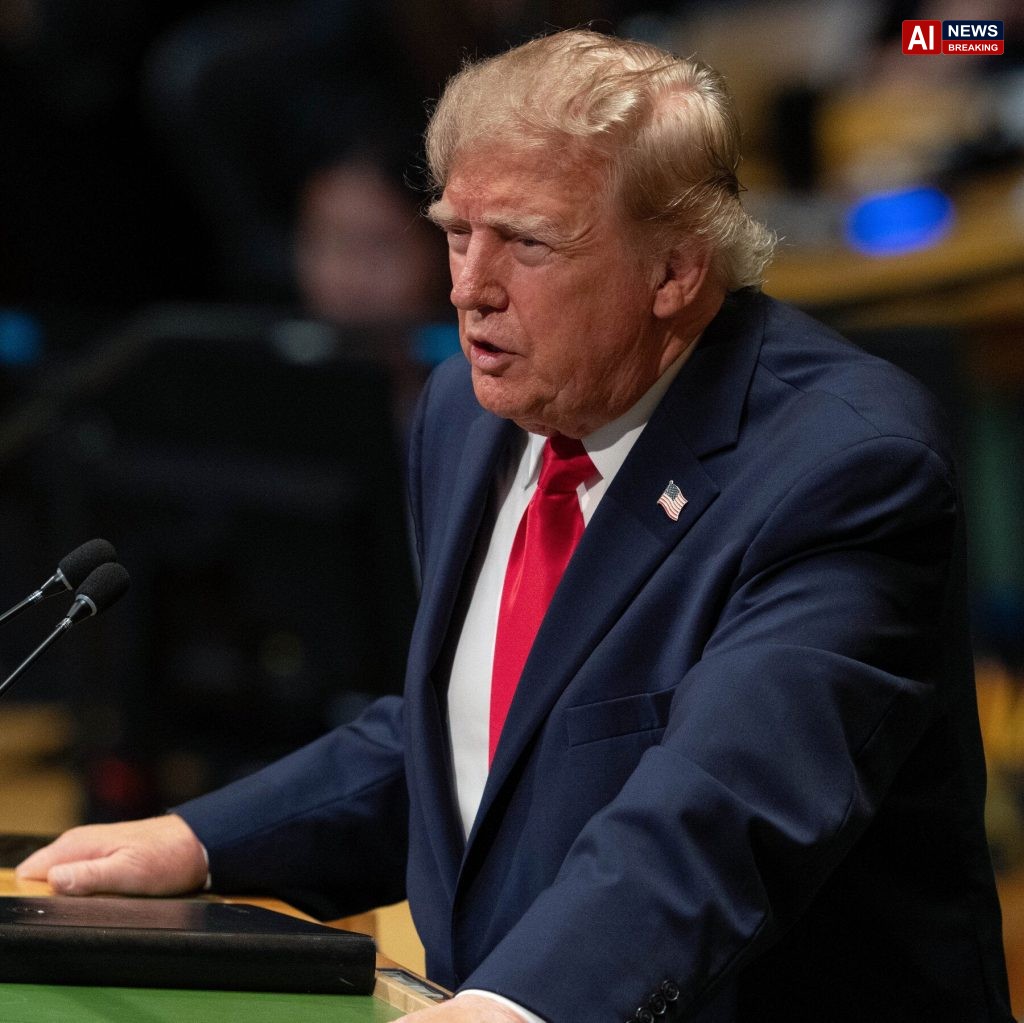
Trump rejects Iran cease‑fire proposal for Strait - AI News Breaking
trump rejects iran ceasefire:
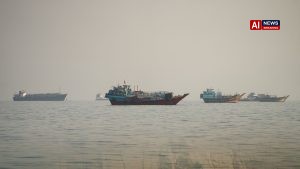
Washington – President Donald Trump on Tuesday dismissed Iran’s overture for a cease‑fire that would see the strait linking the Gulf of Oman with the Persian Gulf reopened to commercial shipping, describing the proposal as “not acceptable”. The decision, announced in a brief televised address, comes as the United States grapples with a surge in regional tensions, mounting criticism over its military strategy in the Middle East and an impending mid‑term election that could reshape the composition of Congress.In the early hours of the day, a senior Iranian diplomat in Tehran relayed that the Islamic Republic’s foreign ministry had submitted a formal note to the United Nations Security Council, calling for an immediate cessation of hostilities between American and Iranian forces. The note outlined a plan for a temporary truce, under which the United Nations would oversee the reopening of the Strait of Hormuz – a narrow waterway through which roughly a fifth of the world’s petroleum passes – to commercial vessels..
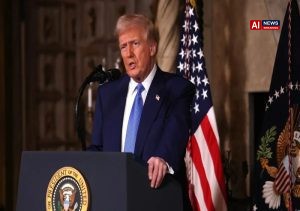
Iran’s proposal also included provisions for the safe withdrawal of U.S. warships from the area and a joint inspection regime to verify compliance with the cease‑fire.Trump’s response, recorded from the White House press briefing room, rejected the Iranian initiative outright. “We have received the note, and it is not acceptable..
We will look at what’s best for America, and we will decide what to do next,” he said, before adding that the administration would consider “all options” in the coming weeks. When pressed about the possibility of resuming air strikes against Iranian targets, the president offered a vague answer, indicating that a decision would be made “after the mid‑term elections”. The comments left analysts uncertain about whether the United States would continue its campaign of targeted bombings against Iranian-backed militias in Iraq and Syria, or whether it might seek a diplomatic de‑escalation.The timing of the Iranian proposal is notable..
Over the past month, Iranian Revolutionary Guard Corps (IRGC) units have launched a series of attacks on oil tankers and commercial vessels transiting the strait, claiming retaliation for what Tehran describes as “unprovoked U.S. forces have conducted a series of precision strikes on IRGC bases in eastern Iraq and on weapons depots in Syria, resulting in a reported death toll in the low dozens and the destruction of several missile launch sites. The escalation has heightened fears of a broader confrontation that could disrupt global oil markets and threaten the security of shipping lanes that are vital to economies across Asia and Europe.Energy analysts warned that even a brief interruption to the flow of oil through Hormuz could send crude prices soaring..
In the days preceding the announcement, the price of Brent crude rose by roughly 3.5 percent, while the U.S. West Texas Intermediate benchmark edged up by a similar margin. “The market is already jittery,” said Laura McKenzie, senior fellow at the Energy Policy Institute..
“If the United States were to pull back its naval presence while Iran retains a foothold, we could see a rapid escalation that would have serious repercussions for global supply chains.”Within the United Nations, the Security Council convened an emergency session to discuss the Iranian note. Representatives from Britain, France and Germany voiced support for a cease‑fire that would restore free navigation, urging both parties to exercise restraint. The Russian delegation, however, cautioned against “premature judgments” and called for a “balanced approach” that recognized Iran’s security concerns..
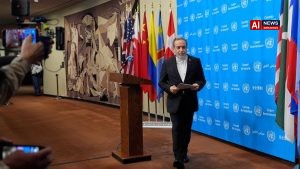
China, a key stakeholder in the region’s energy imports, urged “dialogue over confrontation” and offered to facilitate talks between Washington and Tehran under the auspices of the Shanghai Cooperation Organisation.U.S. officials in the State Department declined to comment on the details of the president’s remarks, but an anonymous senior adviser confirmed that the administration is reviewing “all diplomatic channels” while maintaining “the readiness to act militarily if necessary”. The adviser also hinted that the president’s decision to postpone a definitive statement until after the mid‑terms may be an attempt to shield the administration from potential political fallout, a strategy that could backfire if the situation deteriorates.Congressional reactions were sharply divided along partisan lines..
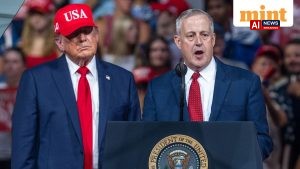
House Republicans, many of whom have aligned closely with the president’s hawkish stance, praised the rejection, characterising the Iranian note as a “sham” aimed at buying time for Tehran to regroup. Owens (R‑TX) declared, “America will not be bullied into a cease‑fire that compromises our allies and our strategic interests.” By contrast, a number of Democratic lawmakers warned that continued hostilities risk dragging the United States into a protracted conflict with no clear exit strategy. Representative Maria Sanchez (D‑CA) urged the administration to “pursue every diplomatic avenue available” and to consider the broader ramifications for regional stability.In Iran, the decision was received with a mixture of disappointment and resolve..
The IRGC’s public affairs office released a statement asserting that “Iran remains committed to protecting its sovereignty and the security of its maritime routes.” It also called on the international community to condemn what it described as “American aggression” and to support a peaceful resolution that respects Iran’s right to defend its national interests. Tehran’s Supreme Leader, Ayatollah Ali Khamenei, reiterated his opposition to any foreign-imposed cease‑fire that does not address what he termed “the unjust sanctions and hostile policies of the United States”.The broader geopolitical context cannot be ignored. The United States has been attempting to recalibrate its presence in the Middle East after a decade of sustained involvement, while also navigating a complex relationship with Saudi Arabia, Israel and other Gulf Cooperation Council members who have expressed alarm over Iran’s recent missile tests..
Meanwhile, Iran continues to pursue its nuclear enrichment programme, a point of contention that has kept it under a web of international sanctions despite ongoing talks in Vienna aimed at reviving the 2015 Joint Comprehensive Plan of Action.Experts suggest that the next few weeks will be critical in determining whether the region moves toward a fragile calm or spirals into a more dangerous confrontation. “Both sides have something to lose,” noted Dr. Samuel Patel, senior fellow at the Center for Strategic and International Studies..
“The United States wants to avoid an open‑ended war that could drain resources and political capital, while Iran seeks to assert its influence and extract concessions. The political calculus surrounding the upcoming mid‑term elections adds another layer of uncertainty, as policymakers weigh domestic pressures against international responsibilities.”As the world watches, the Strait of Hormuz remains a flashpoint where the interests of great powers, regional actors and global markets intersect. The president’s refusal to accept Iran’s cease‑fire proposal underscores the challenges of translating diplomatic overtures into actionable policy in a region where historical grievances.
Updated: September 26, 2026
Trump’s rebuff turns a diplomatic opening into a political litmus test, forcing voters to judge whether a hard‑line posture is national security or electoral theater. The ensuing stalemate risks throttling global oil flow, amplifying market volatility and pressuring Congress to confront a costly, potentially endless Middle‑East quagmire.