Europe warns of Russia’s hybrid attacks but struggles to counter them
  Former chief election commissioner calls SIR scheme illegal.
  A Corruption Scandal Is Reshaping Brazil’s Presidential Election
  US citizen injured in Illinois after ICE agents mistook him for fugitive, tried to arrest him
  At 10 years old, Smithsonian’s Black museum is undaunted amid pressure from Trump administration
 UK Voters Face Crucial Choice in Local Elections Amidst European Turmoil
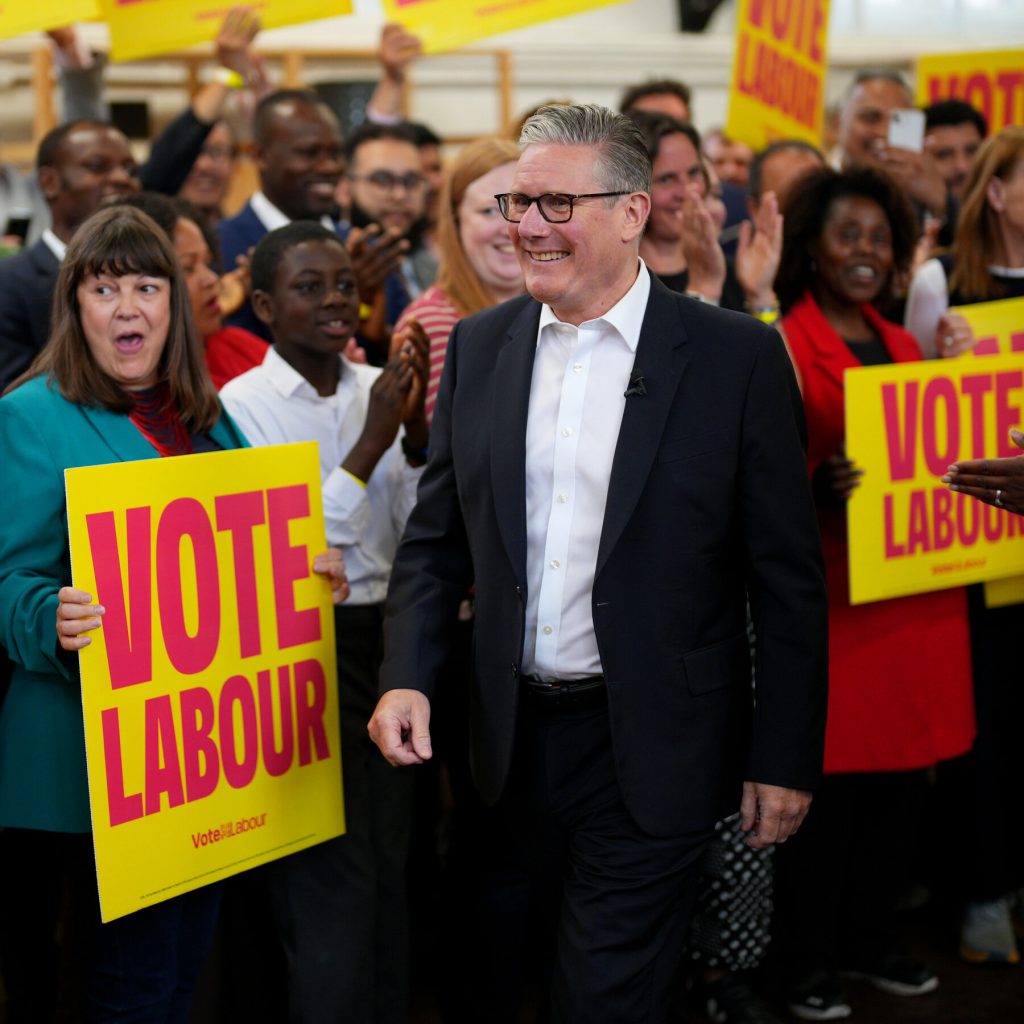
Millions of voters across England, Scotland, and Wales are bracing themselves for the most anticipated local elections in decades, a crucial showdown set to unfold on Thursday amidst growing economic and social uncertainty.
The polls will serve as a vital barometer of public sentiment, offering a unique glimpse into the shifting landscape of European politics.
Updated: May 7, 2026
Millions of voters across England, Scotland, and Wales are bracing themselves for the most anticipated local elections in decades, a crucial showdown set to unfold on Thursday amidst growing economic and social uncertainty. The polls will serve as a vital barometer of public sentiment, offering a unique glimpse into the shifting landscape of European politics. With the nationalist right gaining momentum worldwide, the outcome is being closely watched for its potential impact on the continent’s fragile stability.
The decision to hold these elections coincides with a tumultuous period in global politics, one marked by rising tensions and escalating violence. The war in Iran has sparked a renewed sense of international anxiety, fueling anti-establishment sentiment and emboldening populist movements across the continent. Critics argue that these elections come at a critical juncture, one that requires policymakers to adapt and respond to an increasingly restive electorate.
The UK local elections, which have become the focal point of Europe’s democratic unrest, are set to be influenced by an increasingly complex economic landscape. Chronic austerity measures and stagnant wages have galvanized discontent among working-class voters, many of whom are feeling disenchanted with mainstream politics and turning to nationalist and anti-EU parties. This growing disillusionment poses a significant threat to the traditional left-right divide, forcing mainstream parties to reassess their strategies and respond to the evolving demands of a restless electorate.
One of the chief beneficiaries of this shift is the United Kingdom’s populist right-wing movement, which has seen a notable surge in popularity in recent years. With key figures such as Nigel Farage and Boris Johnson leading the charge, the nationalist right has successfully capitalized on voter discontent and galvanized a sense of anti-establishment fervor. The implications of this development extend far beyond the UK’s borders, as it reflects a broader global trend toward nationalism and authoritarianism.
Critics warn that the escalating tensions on display in the UK may soon have far-reaching consequences for European stability. Historically, local elections have served as a testing ground for emerging issues and trends, providing valuable insights into the shifting preferences and fears of voters. Should a nationalist or anti-EU candidate achieve a surprise victory, it would likely send shockwaves throughout the continent, prompting mainstream parties to scramble for position and reassess their commitment to European integration.
Supporters of the status quo argue, however, that the growing trend toward nationalism is far from inevitable and that a nuanced, locally led approach could help restore public trust in politics. They point to efforts by grassroots movements and advocacy groups, which are working to bridge the gap between voters and policymakers, and argue that this shift in the balance of power need not lead to chaos and disorder.
The impact of these elections will be felt at both the national and global level, influencing the future trajectory of European politics in profound ways. The European Parliament, in particular, is watching developments intently, recognizing the significance of these elections for the continent’s delicate balance of power. The outcome will also have implications for Brexit negotiations, serving as a potential bellwether for the UK’s relations with the EU post-withdrawal.
As millions prepare to cast their ballots on Thursday, analysts are scrambling to predict the direction of public opinion. Some predict a resounding victory for the nationalist right, while others forecast a narrow win for the establishment parties. While the outcome remains uncertain, one thing is clear: the UK local elections represent a critical watershed moment in European politics – a chance for voters, policymakers, and global leaders to respond to the shifting needs of a restless continent.
This pivotal moment demands a response from policymakers and leaders, one that acknowledges the shifting priorities and grievances of a growing electorate. As we await the results of this crucial test of public opinion, one thing is clear: the future of European politics hangs in the balance, and the outcome will have far-reaching implications for years to come.
We're witnessing a crucial test of the traditional left-right divide in European politics, where voters are increasingly turning away from mainstream parties in favor of populist movements fueled by economic and social discontent. The UK local elections will serve as a barometer for the continent's fragile stability, but may also provide a glimmer of hope for policymakers to adapt and connect with a restless electorate.