Indonesia denies foreign claim to rescued orangutans
 Turkey hosts COP31 climate talks in Antalya.
 Pope meets Argentine bishops.
 APOD: 2026 November 8 – Major Fireball Meteor
 Indonesian Horror Hit ‘Pabrik Gula’ Gets 2028 Sequel as MD Entertainment Lines Up Three Imax Films
UN’s peacekeeping mission in Western Sahara ends after 35 years following US-Russia standoff
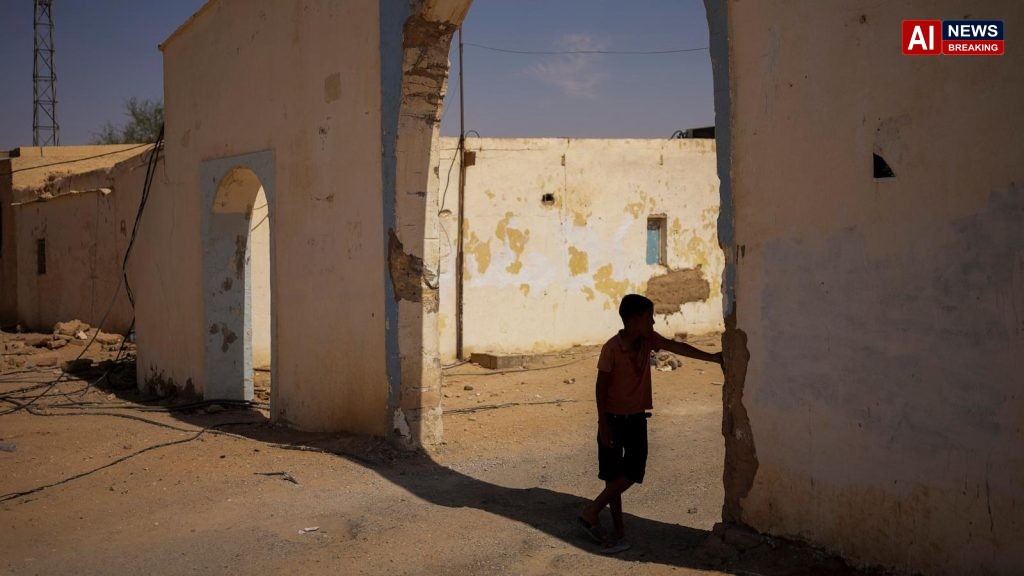
UN’s peacekeeping mission in Western Sahara ends after 35 years following US-Russia standoff - AI News Breaking
peacekeeping mission western sahara:
UN’s peacekeeping mission in Western Sahara ends after 35 years following US‑Russia standoff The United Nations Mission for the Referendum in Western Sahara (MINURSO) officially concluded its operations in the disputed territory on Friday, marking the end of a 35‑year effort that had been designed to facilitate a fair vote on self‑determination. The decision, ratified by the UN Security Council in late last month, was a direct consequence of a diplomatic stalemate between Washington and Moscow over the future of the mission’s mandate. The United States, which had long been a key backer of MINURSO, cited concerns about the mission’s effectiveness and the need for a new approach to the conflict..
Russia, on the other hand, warned that the sudden withdrawal could destabilise the region and jeopardise the safety of civilians. For more than three decades, MINURSO has operated under a fragile balance of power in a territory that remains a flashpoint between Morocco, which claims sovereignty, and the Polisario Front, which seeks independence for the Sahrawi people. The mission’s primary role was to monitor a ceasefire brokered in 1991 and to organise a referendum that would allow the Sahrawi to decide their future..
However, repeated delays, allegations of bias, and shifting geopolitical priorities meant that the referendum never materialised. Over time, the mission’s influence waned, and its ability to enforce the ceasefire was increasingly questioned. The diplomatic impasse that precipitated MINURSO’s termination was rooted in broader geopolitical tensions..
Washington had grown weary of a mission that it deemed ineffective, arguing that the UN was failing to hold Morocco accountable for its human rights record and that the mission’s presence was hindering new diplomatic solutions. Meanwhile, Moscow, which has maintained a relatively neutral stance, expressed alarm at the idea of a unilateral withdrawal that could leave a power vacuum. The clash of these positions forced the Security Council to revisit the mission’s mandate in a way that had not occurred since 2000..
In a vote held on Tuesday, the Security Council adopted Resolution 2721, which called for the immediate cessation of MINURSO operations and the transfer of responsibilities to a new, UN‑backed framework. The resolution, which received nine votes in favour and no opposition, highlighted the need for a comprehensive political settlement that would address the root causes of the conflict. It also requested that the ary‑General submit a report within six months detailing the progress of any new arrangements and the state of humanitarian conditions in the region..
The end of MINURSO comes at a time when the Sahrawi people face escalating humanitarian challenges. According to the latest UN High Commissioner for Human Rights report, more than 12,000 refugees remain in camps across Algeria, with limited access to clean water, medical care, and education. The cessation of the peacekeeping mission raises concerns that these camps could become increasingly isolated, with reduced monitoring of human rights abuses and potential for new violence..
Local NGOs have warned that the absence of an impartial observer will make it difficult to document violations and hold parties accountable. Morocco, which has maintained a large military presence in Western Sahara, welcomed the termination of the UN mission, citing the need to focus on national sovereignty and development projects. A spokesperson for the Moroccan government said that the country would continue to work towards a solution that respects its territorial integrity..
However, the Polisario Front has condemned the move, accusing the United Nations of abandoning the Sahrawi cause and undermining their right to self‑determination. In a statement released on Thursday, the Polisario’s spokesperson called for international solidarity and urged the UN to re‑engage with a new strategy that genuinely addresses the Sahrawi people’s aspirations. The United Nations has faced criticism for its inability to resolve the Western Sahara dispute, and the termination of MINURSO has prompted a wave of debate among diplomats and analysts..
Some argue that the mission had become a symbol of UN impotence, while others contend that the abrupt withdrawal could destabilise an already fragile situation. The European Union, which has historically been a mediator in the conflict, has called for a renewed, multi‑partner approach that includes both Morocco and the Polisario Front, alongside regional powers such as Algeria and Spain. In the coming months, the UN ariat will be tasked with drafting a new framework to replace MINURSO..
This initiative, which is expected to involve the United Nations Development Programme and the Office of the Special Envoy for Western Sahara, aims to create a mechanism that can monitor ceasefire lines, facilitate dialogue, and address humanitarian needs without relying on a traditional peacekeeping force. The ariat also intends to work closely with the African Union, which has a long history of involvement in the region, to ensure that any new arrangement aligns with African perspectives on the conflict. The cessation of the peacekeeping mission also coincides with a broader shift in UN peacekeeping strategy..
In recent years, the UN has been re‑evaluating the efficacy of long‑term missions that operate without clear, achievable mandates. The experience in Western Sahara is often cited as a cautionary tale, prompting the UN to explore more flexible, task‑force‑based approaches that can adapt to changing political realities. This shift could have implications for other long‑standing missions worldwide, from the Democratic Republic of Congo to the Central African Republic..
While the UN’s withdrawal from Western Sahara marks the end of a chapter, it does not signal the conclusion of the dispute itself. Negotiations between Morocco and the Polisario Front remain stalled, and both sides continue to hold firm to their positions. The international community, however, is now under pressure to devise a new path forward that balances sovereignty concerns with the fundamental right of the Sahrawi people to determine their own destiny.
Updated: November 2, 2026
This development highlights evolving dynamics and may have broader implications in the near term.