 Australia probes AI‑driven breach of My Health Record portal
  Engineering student’s ‘suicide’ turns out to be murder; two arrested
  Canada’s Capital Bids Good Riddance to Trump Avenue as Tensions With U.S. Rise
  Pentagon investigates after China obtains parts from F-35 stealth fighter jet
 Utkal University study finds 53.5% of Odisha’s PVTG women anaemic
** A staggering 53.5% of adult women from Odisha’s Particularly Vulnerable Tribal Groups (PVTG) suffer from anaemia, according to a study by Utkal University, highlighting the need for urgent intervention to address the health disparities faced by these communities.
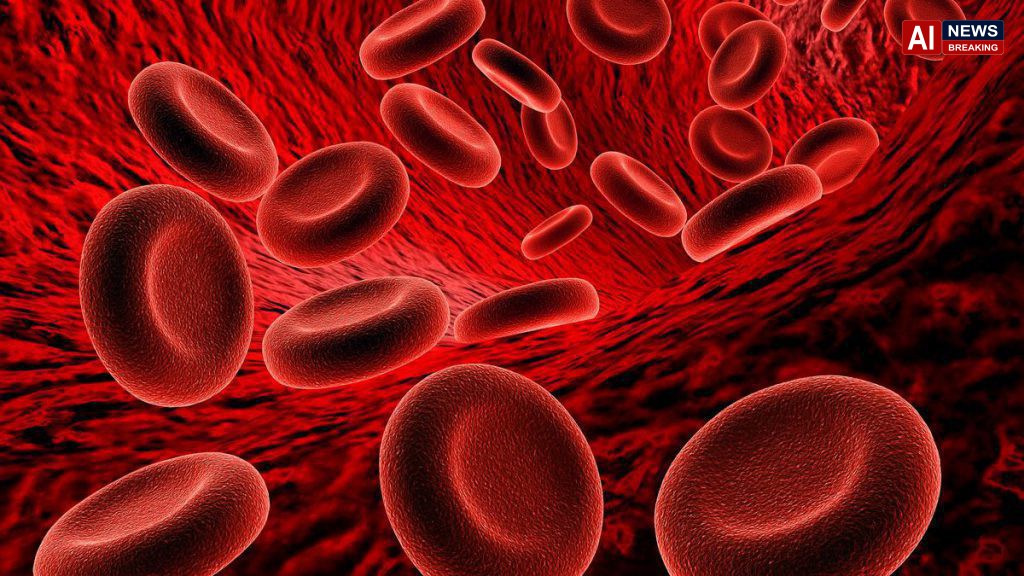
Utkal University study finds 53.5% of Odisha's PVTG women anaemic. - AI News Breaking
More than half of Odisha’s PVTG adult women anaemic, says a study by Utkal University, revealing a disturbing trend that has significant implications for the health and wellbeing of these communities. The study, which focused on the health status of Particularly Vulnerable Tribal Groups in the state, found that a staggering 53.5% of adult women in these communities suffer from anaemia. This condition can have severe consequences, including fatigue, weakness, and impaired cognitive function, making it a serious public health concern..
The research, conducted by a team of experts from Utkal University, examined the health data of over 1,000 individuals from various PVTG communities in Odisha, including the Hill Kharia, Mankidia, and Lanejhadia. The study aimed to assess the prevalence of anaemia, stunting, and other health-related issues among these groups. The findings are alarming, highlighting the need for urgent intervention to address the health disparities faced by PVTG communities in the state..
Among PVTGs, the Hill Kharia shows the highest stunting prevalence at 82.76%, a distressing figure that signifies a critical public health emergency. Stunting, which is a measure of chronic malnutrition, can have long-term consequences for an individual’s health, education, and economic prospects. The study raises alarm about the high levels of stunting and anaemia among PVTG children and women, emphasizing the need for targeted interventions to improve their health and nutrition..
The study also found that the prevalence of anaemia is higher among PVTG women who are pregnant or lactating, with 62.5% of pregnant women and 61.1% of lactating women suffering from the condition. This is particularly concerning, as anaemia during pregnancy can increase the risk of maternal and infant mortality, as well as low birth weight and preterm delivery. The research highlights the need for effective antenatal care and nutrition counselling to address these issues..
The researchers used a combination of anthropometric measurements, haemoglobin tests, and dietary surveys to collect data for the study. They found that the dietary diversity of PVTG communities is limited, with a high reliance on staple foods such as rice and wheat. The lack of access to nutrient-dense foods, including fruits, vegetables, and animal products, contributes to the high prevalence of anaemia and stunting among these communities..
The study’s findings are consistent with other research on the health status of PVTG communities in India. Previous studies have highlighted the significant health disparities faced by these groups, including limited access to healthcare, poor sanitation, and inadequate nutrition. The Utkal University study adds to the growing body of evidence, emphasizing the need for policy interventions to address the health and nutrition needs of PVTG communities..
The researchers recommend that the government and other stakeholders take urgent action to address the health disparities faced by PVTG communities. This includes improving access to healthcare, promoting dietary diversity, and providing nutrition counselling and support to pregnant and lactating women. The study also emphasizes the need for community-based initiatives to raise awareness about the importance of nutrition and health among PVTG communities..
The Odisha state government has launched several initiatives to improve the health and wellbeing of PVTG communities, including the provision of free healthcare and nutrition support to vulnerable groups. However, the study’s findings suggest that more needs to be done to address the scale and complexity of the health challenges faced by these communities. The researchers call for a multi-sectoral approach, involving government agencies, NGOs, and community organizations, to address the health disparities faced by PVTG communities..
The study’s findings have significant implications for policy and programming in Odisha and beyond. The researchers emphasize the need for culturally sensitive and community-based approaches to addressing the health and nutrition needs of PVTG communities. This includes working with community leaders and traditional health practitioners to promote local food systems and improve access to healthcare..
The Utkal University study contributes to a growing body of research on the health status of PVTG communities in India. The findings highlight the need for urgent action to address the health disparities faced by these groups, including improving access to healthcare, promoting dietary diversity, and providing nutrition support to vulnerable populations. The study’s recommendations have significant implications for policy and programming, emphasizing the need for a multi-sectoral approach to addressing the health and nutrition needs of PVTG communities..
The research team from Utkal University plans to share their findings with state and national authorities, as well as with community organizations and NGOs working with PVTG communities. The study’s findings are expected to inform policy and programming in Odisha and beyond, contributing to a growing effort to address the health disparities faced by PVTG communities in India. The researchers hope that their study will help to raise awareness about the importance of addressing the health and nutrition needs of these vulnerable groups..
The study’s findings are a stark reminder of the significant health disparities faced by PVTG communities in Odisha and beyond. The high prevalence of anaemia and stunting among these groups is a critical public health emergency that requires urgent attention and action. The researchers emphasize the need for a comprehensive and multi-sectoral approach to addressing the health and nutrition needs of PVTG communities, involving government agencies, NGOs, and community organizations..
By working together, it is possible to improve the health and wellbeing of these vulnerable groups and promote greater equity and social justice..
Updated: July 20, 2026
A staggering 53.5% of adult women in Odisha’s Particularly Vulnerable Tribal Groups suffer from anaemia, with severe consequences for their health and wellbeing. The study’s findings highlight the need for urgent intervention to address the significant health disparities faced by these communities, including limited access to nutrient-dense foods and inadequate healthcare.
Here’s a 2-line insight with interpretation:
Odisha’s PVTG communities are facing a perfect storm of nutritional deficiencies and limited access to healthcare, which may lead to irreversible damage to their physical and cognitive abilities. Unless policymakers adopt culturally sensitive and multi-sectoral approaches, these communities will continue to struggle with anaemia and stunting, perpetuating a cycle of poverty and inequality.