Europe warns of Russia’s hybrid attacks but struggles to counter them
  Former chief election commissioner calls SIR scheme illegal.
  A Corruption Scandal Is Reshaping Brazil’s Presidential Election
  US citizen injured in Illinois after ICE agents mistook him for fugitive, tried to arrest him
  At 10 years old, Smithsonian’s Black museum is undaunted amid pressure from Trump administration
 Vietnam General Election Dominated by Ruling Communist Party Candidates in Landslide Representation
Vietnam’s ruling Communist Party has dominated the country’s general election, with 93% of candidates belonging to the governing party, sparking concerns about the lack of diversity and opposition presence in the National Assembly and the prospects for democratic development in Vietnam.
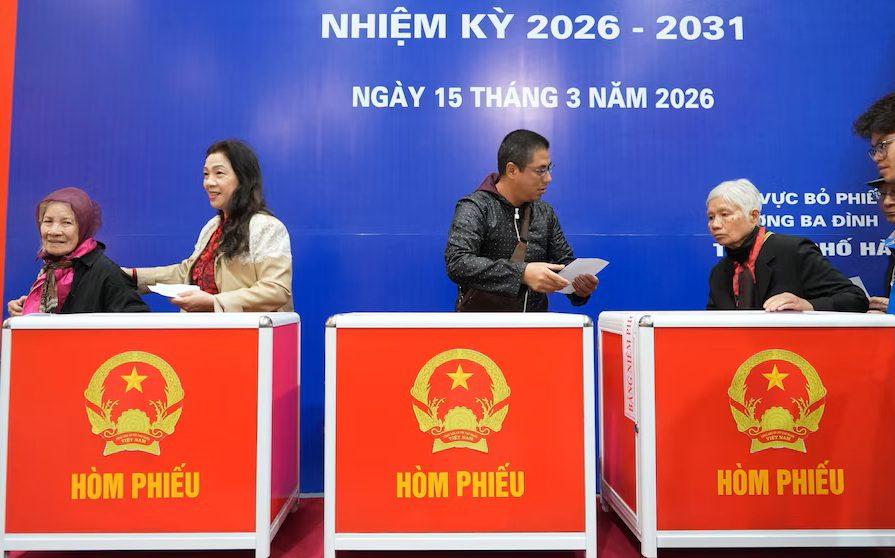
Vietnam has held its general election with the ruling Communist Party fielding the vast majority of candidates. The election saw a near monopoly of representation by the Communist Party, with 93 percent of candidates belonging to the governing party. This has raised questions about the diversity and opposition presence in the country’s parliament.
The Vietnamese people went to the polls to elect members of the National Assembly, the country’s unicameral legislative body. However, the lack of opposition candidates has sparked concerns about the election’s legitimacy and the prospects for democratic representation. The Communist Party has maintained a tight grip on power in Vietnam since the reunification of the country in 1976.
Despite the limited opposition, the election was seen as an important event in Vietnam’s political calendar. The newly elected National Assembly will have a significant impact on the country’s future, with key decisions to be made on economic development, social policy, and international relations. The Communist Party has pledged to continue its economic reforms and open up the country to foreign investment.
The dominance of the Communist Party in the election was not unexpected, given the country’s political system. However, some analysts have expressed concern about the lack of diversity and representation in the National Assembly. The election has also highlighted the need for greater political participation and engagement from the Vietnamese people, particularly among young voters.
The outcome of the election is likely to have significant implications for Vietnam’s relations with other countries, particularly in the region. The country has been seeking to strengthen its ties with major powers such as the United States and the European Union, while also maintaining its close relationship with China. The new National Assembly will play a crucial role in shaping Vietnam’s foreign policy and engaging with the international community.
The Vietnamese government has reported a high turnout in the election, with millions of people casting their ballots. However, the lack of opposition candidates and the dominance of the Communist Party have raised questions about the election’s credibility and the prospects for democratic development in Vietnam.