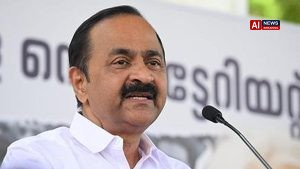
 Important to preserve independence, transparency of Election Commission: Keralam CM Satheesan
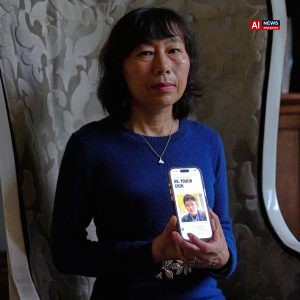
  Families Urge Trump to Press Xi to Free Americans Detained in China
  After Jamui, another minor girl molested in Bihar’s Samastipur
  Australia Investigates OpenAI Hack on Public Health Care Site
  Tech leaders to UN: For the sake of humanity, please control the AI technology we created
 Why Did Zelenskyy Remove Defence Minister Mykhailo Fedorov Ukraine’s Leadership Shake-Up Explained
Ukrainian President Volodymyr Zelenskyy’s decision to remove Defence Minister Mykhailo Fedorov has sent shockwaves through the country, prompting protests and concern among European allies. Fedorov, a key architect of Ukraine’s asymmetric warfare strategy, was widely credited with modernizing the country’s military through drone warfare and digital transformation. The move has raised questions about Ukraine’s future military strategy and wartime leadership, with thousands calling for Fedorov’s reinstatement.
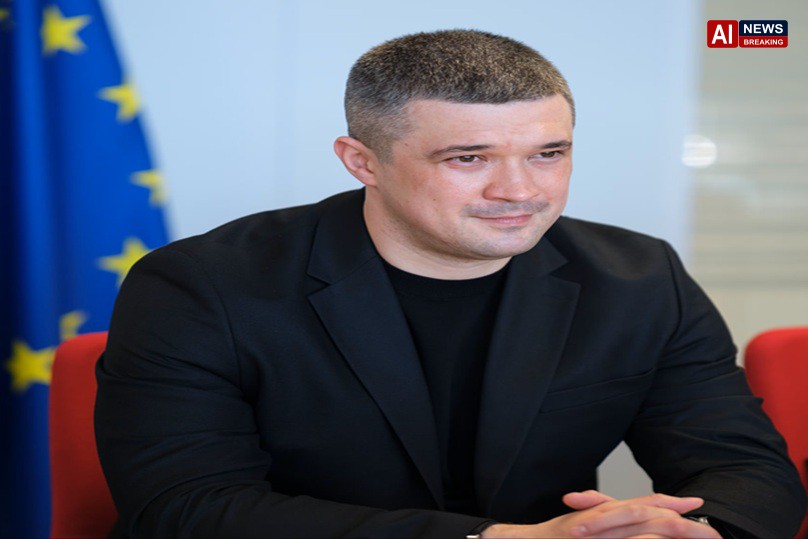
Why Did Zelenskyy Remove Defence Minister Mykhailo Fedorov Ukraine's Leadership Shake-Up Explained - AI News Breaking
News Highlights
- President Volodymyr Zelenskyy dismissed Defence Minister Mykhailo Fedorov as part of a major government reshuffle in July 2026.
- Fedorov was widely credited with modernizing Ukraine’s military through drone warfare, digital transformation, and defense procurement reforms.
- Reports indicate growing tensions between Fedorov and Ukraine’s Commander-in-Chief Oleksandr Syrskyi contributed to the dismissal.
- Thousands of Ukrainians have protested the move, calling for Fedorov’s reinstatement.
- European allies have expressed concern over the leadership shake-up but continue to support Ukraine in its war against Russia.
- The decision has sparked debate about Ukraine’s future military strategy and wartime leadership.
President Volodymyr Zelenskyy’s decision to dismiss Defence Minister Mykhailo Fedorov has become one of the most significant political developments in Ukraine since the beginning of the country’s full-scale war with Russia. The unexpected move has triggered protests across Ukraine, prompted concern among Western allies, and raised questions about Kyiv’s military leadership at a crucial moment in the conflict.
Fedorov, who became Ukraine’s Defence Minister in January 2026, quickly established himself as one of the government’s leading reformers. Having previously served as Minister of Digital Transformation, he brought his expertise in technology and innovation to Ukraine’s defense sector, championing drone warfare capabilities, digital military procurement systems, and advanced battlefield technologies.
During his six-month tenure at the Ministry of Defence, Fedorov oversaw significant investments in domestically produced drones, missile programs, and logistics modernization efforts that many analysts credit with strengthening Ukraine’s battlefield capabilities. His technology-driven approach gained considerable support among military personnel, civil society groups, and Ukraine’s international partners.
Why Was Mykhailo Fedorov Removed?
According to reports from Ukrainian and international media, the dismissal stemmed largely from a growing conflict between Fedorov and Ukraine’s Commander-in-Chief, General Oleksandr Syrskyi.
President Zelenskyy publicly acknowledged that relations between the Defence Ministry and Ukraine’s military leadership had become increasingly strained. Speaking during a press conference in Kyiv, Zelenskyy stated that he had to make a difficult choice in order to preserve unity within Ukraine’s wartime leadership.
The Ukrainian president described the disagreements as a “challenging dialogue” that had reached a point where effective cooperation was no longer possible.
A Reformer in Ukraine’s War Effort
Fedorov’s supporters argue that his removal could slow military modernization efforts at a time when Ukraine continues to face significant challenges on the battlefield.
Among the initiatives launched during his tenure were:
- Expansion of Ukraine’s drone production capabilities.
- Modernization of military procurement systems.
- Increased investment in long-range strike technologies.
- Development of AI-assisted battlefield solutions.
- Improved logistics and supply chain management.
- Greater transparency in defense spending.
Many military analysts viewed Fedorov as one of the key architects of Ukraine’s asymmetric warfare strategy against Russia. His emphasis on technology allowed Ukraine to compensate for Russia’s advantages in manpower and conventional military equipment.
Public Protests Erupt in Ukraine
The dismissal has sparked rare public demonstrations in several Ukrainian cities, including Kyiv and Lviv.
Thousands of protesters have called for Fedorov’s reinstatement, arguing that his leadership contributed significantly to Ukraine’s military successes over the past several months. Veterans, civil society activists, and members of the technology sector have voiced concerns about the government’s decision.
The protests are particularly notable given the extraordinary circumstances of wartime Ukraine, where public criticism of military leadership decisions remains relatively uncommon.
European Allies Watching Closely
Western governments have not withdrawn support for Ukraine following the dismissal. However, European officials have reportedly expressed concern regarding the timing of the leadership shake-up.
Ukraine continues to rely heavily on military and financial assistance from its international partners. Stability within the country’s political and military leadership remains an important factor for maintaining confidence among allied nations.
Despite concerns surrounding the dismissal, European Union leaders have reaffirmed their commitment to supporting Ukraine’s defense against Russian aggression.
What Happens Next?
Ukraine is currently operating under an interim defence leadership arrangement while parliamentary procedures continue regarding a permanent replacement.
Political observers suggest that the coming weeks will be critical for President Zelenskyy’s administration as it seeks to restore confidence among military personnel, lawmakers, and international partners.
The controversy has also intensified discussions surrounding military reform, wartime governance, and the balance between political leadership and military command within Ukraine’s defense establishment.
While Mykhailo Fedorov’s dismissal marks the end of his tenure as Defence Minister, many analysts believe his influence on Ukraine’s military modernization efforts will continue to shape the country’s defense policies in the years ahead.
The leadership reshuffle serves as a reminder that even during wartime, political and institutional challenges can significantly influence a nation’s strategic direction. Ukraine’s ability to maintain unity among its military and political leadership will remain essential as the conflict with Russia continues.
AI Insight: Mykhailo Fedorov’s dismissal highlights the difficult balance wartime governments must maintain between innovation, military leadership, and political cohesion. While Ukraine’s technological transformation of its armed forces has earned global recognition, internal disagreements at the highest levels demonstrate that institutional reform can often generate resistance even during national emergencies. How Zelenskyy’s administration manages this transition may significantly influence Ukraine’s military modernization strategy and international partnerships moving forward.