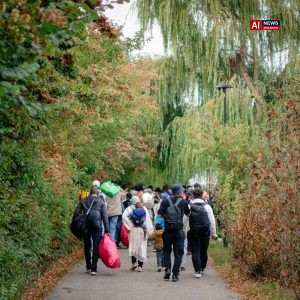
 France deploys patrol fleet to curb Channel migrant crossings
  From a Nepal in Pain, a Young Leader Makes a Case for Climate Reparations
  Ukraine transfers two North Korean POWs to South Korea.
  Australia probes AI‑driven breach of My Health Record portal
  Engineering student’s ‘suicide’ turns out to be murder two arrested
 Why PM Narendra Modi’s Punjab Visit Could Be a Game-Changer for BJP’s Punjab Assembly Election Strategy in 2027
** Prime Minister Narendra Modi’s Punjab visit highlights BJP’s long-term strategy to expand its political footprint in the state, focusing on developmental projects, economic development, and social outreach, particularly targeting the influential Ravidassia community, ahead of the 2027 Assembly elections.
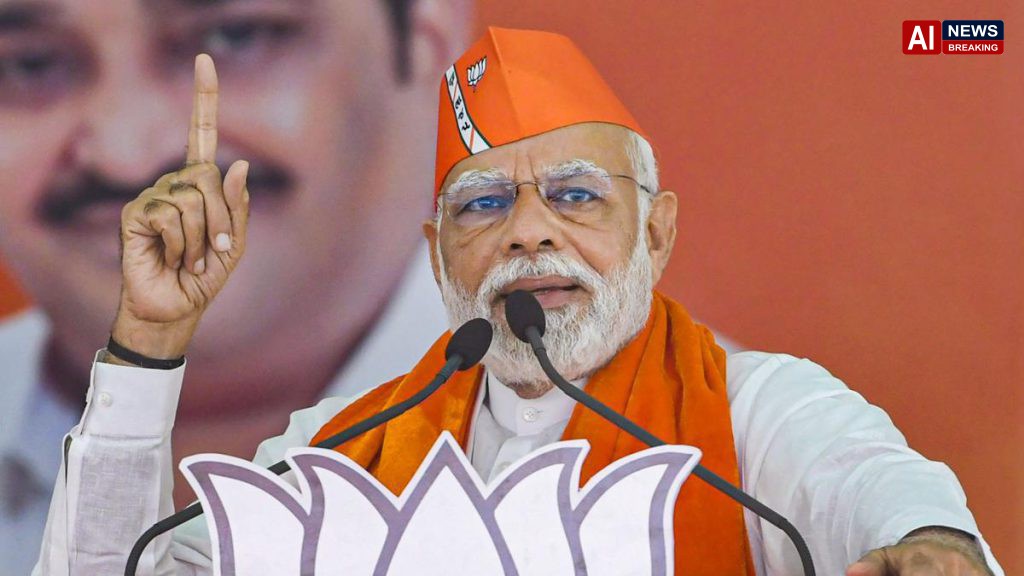
narendra modis punjab visit:
Summary
- Prime Minister Narendra Modi’s Punjab visit is being seen as a major political and developmental outreach ahead of the 2027 Punjab Assembly elections.
- The BJP is focusing on infrastructure projects, economic development, and strengthening ties with the influential Ravidassia community.
- The visit highlights the party’s long-term strategy to expand its political footprint in Punjab after the collapse of its alliance with the Shiromani Akali Dal.
Prime Minister Narendra Modi’s recent visit to Punjab carries significant political implications beyond the announcement of developmental projects. Political observers believe the visit marks the beginning of the Bharatiya Janata Party’s aggressive groundwork for the Punjab Assembly elections scheduled for 2027.
Punjab remains one of the few major states where the BJP has struggled to establish itself as a dominant political force. However, the party has been steadily working to reshape its strategy following its split with the Shiromani Akali Dal and the changing political landscape in the state.
The Prime Minister’s visit combines two key pillars of BJP’s Punjab strategy—developmental politics and social outreach—particularly targeting the influential Ravidassia community, which plays a crucial role in Punjab’s electoral arithmetic.
Why Punjab Matters Politically for BJP
Punjab has traditionally witnessed triangular or multi-cornered contests involving parties such as:
- Congress
- Aam Aadmi Party (AAP)
- Shiromani Akali Dal (SAD)
- Bharatiya Janata Party (BJP)
After ending its decades-old alliance with the Shiromani Akali Dal in the aftermath of the farm laws controversy, the BJP has been compelled to build an independent political base in the state.
Unlike several northern Indian states where the BJP enjoys overwhelming electoral dominance, Punjab presents unique political and social challenges due to:
- Its religious diversity.
- Strong regional political identities.
- Farmer-centric politics.
- Caste-based electoral equations.
- Significant Dalit population.
The BJP’s Punjab strategy for 2027 appears to be centered around addressing these challenges through a combination of governance and social coalition-building.
Development Politics Takes Center Stage
Development remains one of Prime Minister Modi’s most powerful political narratives nationally. Punjab is no exception.
The Prime Minister’s visit highlighted various developmental initiatives aimed at boosting economic growth and improving infrastructure in the state.
Key areas of focus include:
Infrastructure Development
Punjab requires significant investments in:
- Road connectivity.
- Railway modernization.
- Industrial corridors.
- Logistics infrastructure.
- Urban development projects.
Improved infrastructure can significantly enhance Punjab’s economic competitiveness and create employment opportunities for its youth.
Economic Growth
Punjab’s economy has faced several challenges over the past decade, including:
- Agricultural distress.
- Industrial slowdown.
- Youth migration abroad.
- Unemployment concerns.
- Declining investment levels.
The BJP is attempting to position itself as a party capable of revitalizing Punjab’s economic prospects through central government support and investment.
Ravidassia Community Outreach Is Politically Significant
One of the most important aspects of the Prime Minister’s Punjab visit is the BJP’s continued outreach towards the Ravidassia community.
The Ravidassia community holds considerable social and electoral influence in Punjab, particularly among Dalit voters.
Punjab has:
- The highest proportion of Scheduled Caste population among Indian states.
- Significant Dalit representation across multiple constituencies.
- Strong socio-religious institutions associated with Guru Ravidas.
- Electoral segments where Dalit votes can decisively influence outcomes.
Political parties across Punjab have historically invested significant effort in cultivating support among various Dalit communities.
Why the Ravidassia Vote Matters
The Ravidassia community is particularly influential in regions such as:
- Doaba.
- Jalandhar.
- Hoshiarpur.
- Kapurthala.
- Parts of Ludhiana.
The Doaba region, often referred to as Punjab’s political battleground, has a large Dalit population and has become increasingly important for political parties seeking to expand their voter base.
Winning even a substantial portion of Dalit votes could significantly alter electoral outcomes in several constituencies.
The BJP’s outreach efforts are therefore being viewed as a strategic investment aimed at long-term political gains rather than immediate electoral dividends.
BJP’s Changing Punjab Strategy
The BJP’s political approach in Punjab has evolved considerably over the past few years.
Earlier, the party largely relied on:
- Urban Hindu voters.
- Alliance politics with SAD.
- Limited independent organizational expansion.
However, after contesting elections independently, the BJP has adopted a broader strategy involving:
Social Coalition Building
The party is attempting to build support among:
- Scheduled Castes.
- Urban middle classes.
- Youth voters.
- Farmers.
- Entrepreneurs.
- Sikh communities.
- Religious and social organizations.
Grassroots Expansion
The BJP has significantly increased its organizational activities in Punjab through:
- Booth-level expansion.
- Community outreach programs.
- Membership drives.
- Religious and cultural engagements.
- Youth initiatives.
Development Plus Identity Politics
The BJP’s Punjab campaign increasingly combines development politics with community engagement.
This dual strategy seeks to communicate two messages simultaneously:
Economic Message
The BJP presents itself as a party capable of delivering:
- Infrastructure projects.
- Central government support.
- Investment opportunities.
- Industrial development.
- Employment generation.
Social Message
The party is also attempting to reassure communities that:
- Their cultural identities are respected.
- Religious institutions are valued.
- Social representation matters.
- Community aspirations are acknowledged.
Such a strategy has previously yielded electoral success for the BJP in several other states.
Challenges Before the BJP
Despite its renewed efforts, the BJP faces significant challenges in Punjab.
Political Competition
The party must compete against established players with strong regional networks.
Farm Laws Legacy
Although the farm laws were repealed, political repercussions continue to influence voter perceptions in Punjab.
Organizational Limitations
The BJP’s grassroots organization remains comparatively weaker in rural Punjab than some of its rivals.
Regional Politics
Punjab’s electorate has historically preferred regional or state-centric political narratives over national ones.
These factors make the 2027 Assembly election particularly challenging for the BJP.
Why PM Modi’s Visit Matters for 2027
Political messaging often begins years before elections.
Prime Minister Modi’s Punjab visit sends several important signals:
- Punjab remains a political priority for the BJP.
- The party intends to contest the 2027 elections aggressively.
- Development projects will play a major role in its campaign.
- Dalit and Ravidassia outreach will remain central to its electoral strategy.
- The BJP is preparing for a long-term political presence in the state.
By combining infrastructure announcements with social outreach, the BJP hopes to gradually expand its support base across Punjab.
Punjab’s Electoral Landscape May Be Changing
Punjab’s politics has undergone substantial transformation in recent years.
Several factors are reshaping voter behavior:
- Decline of traditional political alliances.
- Rise of issue-based politics.
- Growing aspirations among younger voters.
- Increasing focus on employment and development.
- Shifting caste and community equations.
Political analysts believe that the 2027 Punjab Assembly election could witness more fragmented voting patterns compared to previous elections.
This presents both opportunities and risks for all political parties.
Looking Ahead to 2027: The BJP’s roadmap for Punjab appears to be a multi-year strategy rather than a short-term electoral campaign.
Its priorities are likely to include:
- Strengthening organizational networks.
- Expanding support among Dalit communities.
- Highlighting central government developmental initiatives.
- Improving its rural outreach.
- Building new political alliances where necessary.
Prime Minister Modi’s Punjab visit can therefore be viewed as an important milestone in that broader political journey.
Whether this strategy ultimately translates into electoral gains will depend on multiple factors, including local leadership, voter sentiment, opposition strategies, and the party’s ability to sustain grassroots engagement over the coming months.
PM Narendra Modi’s Punjab visit reflects the BJP’s evolving approach toward states where it lacks historical dominance. Rather than relying solely on national political narratives, the party is increasingly combining development initiatives with targeted social outreach to build long-term electoral coalitions. In Punjab, the Ravidassia community’s demographic importance and the state’s economic aspirations make this strategy particularly significant. If successfully executed, the BJP’s development-plus-community engagement model could reshape Punjab’s political landscape ahead of the 2027 Assembly elections and potentially expand the party’s influence in one of India’s most politically distinctive states.