
 Pakistan’s leaders hail first astronaut aboard Chinese craft: ‘Proud one of us has gone into space’
 British tourist travels 29 hours from Mumbai to Amritsar for ₹5,461, rates Indian Railways 10/10 | Viral video
 The Supreme Court will decide whether assault weapons bans violate the Second Amendment
 A Critic of Beijing Falls Short in Taiwan’s Key Mayoral Election
 EPA says no rise in contamination after Army detonates lead azide stockpile in Iowa
India records 38% drop in TB mortality since 2015: WHO report
**
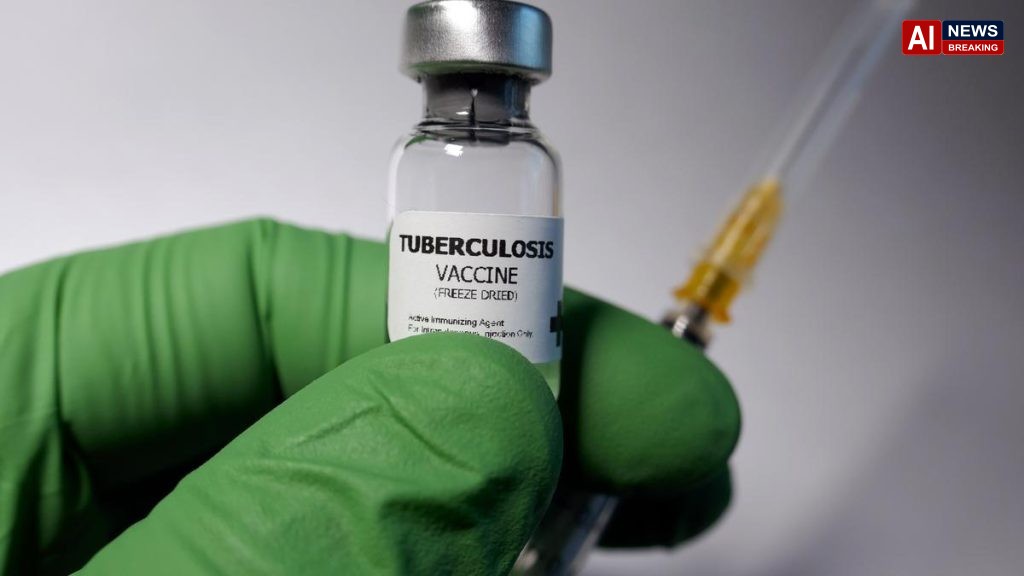
India records 38% drop in TB mortality since 2015: WHO report - AI News Breaking
india records drop mortality:
India has achieved a marked reduction in deaths from tuberculosis, with the World Health Organization reporting a 38 percent decline in mortality since 2015. The latest Global Tuberculosis Report, released in 2026, puts the number of TB‑related deaths worldwide at 1.13 million for the previous year, a figure that reflects both progress and continuing challenges. In India, the fall in fatalities is attributed to a combination of intensified case‑finding, expanded treatment coverage, and the rollout of newer diagnostic tools, according to officials from the Ministry of Health and Family Welfare..
The data underscore the impact of concerted public‑health strategies, while also highlighting the need for sustained effort to close remaining gaps.The WHO report notes that India remains the country with the highest absolute burden of tuberculosis, accounting for roughly a third of global deaths. Yet the downward trend in mortality suggests that the nation’s National Tuberculosis Elimination Programme (NTEP) is beginning to deliver results. Since 2015, the programme has widened its network of accredited microscopy centres, introduced rapid molecular testing through the GeneXpert platform, and integrated digital adherence technologies to monitor patients’ progress..
These measures have helped to shorten diagnostic delays and improve treatment outcomes, particularly among vulnerable groups such as the urban poor and migrant workers.A key component of the recent decline has been the scaling up of the Directly Observed Treatment, Short‑course (DOTS) strategy, now supplemented by community‑based support mechanisms. Health workers in high‑incidence districts receive training to identify presumptive cases early, conduct sputum collection, and ensure that patients complete the full course of therapy. The introduction of shorter, all‑oral regimens for drug‑resistant TB in 2022 has also contributed to better adherence and lower mortality, as patients face fewer side‑effects and a reduced pill burden..
Early indications from pilot projects in states such as Tamil Nadu and Maharashtra show treatment success rates exceeding 85 percent for multidrug‑resistant cases.Despite the encouraging figures, the report cautions that the decline is uneven across regions. States with higher poverty levels and limited health‑infrastructure, including parts of Bihar, Uttar Pradesh and Odisha, continue to report higher case‑fatality ratios. In these areas, late presentation, co‑infection with HIV, and a prevalence of diabetes complicate clinical management..
Experts say that addressing social determinants of health—such as housing, nutrition and education—remains essential to further reduce TB deaths. The WHO emphasises that without targeted interventions in these high‑risk settings, national gains could stall.The 2026 global estimate of 1.13 million TB deaths represents a modest improvement over the 2022 figure of 1.28 million, yet it still falls short of the Sustainable Development Goal to end the TB epidemic by 2030. The WHO attributes the residual mortality to factors including limited access to quality care in remote regions, the persistence of drug‑resistant strains, and disruptions caused by the COVID‑19 pandemic, which saw a temporary decline in case detection and treatment initiation..
In India, the pandemic’s impact was mitigated by the rapid integration of TB screening into COVID‑19 testing sites, a strategy that helped maintain diagnostic momentum during a period of heightened health system strain.International funding has played a role in supporting India’s TB response. The Global Fund and other bilateral donors have provided resources for scaling up molecular diagnostics and strengthening supply chains for anti‑TB drugs. Meanwhile, domestic financing has increased, with the central government allocating an additional ₹2,500 crore to the NTEP in the 2025‑26 budget, a rise of nearly 20 percent over the previous year..
Officials say the augmented budget will fund the procurement of newer drug regimens, expand community outreach, and enhance data‑driven surveillance to identify hotspots more accurately.Researchers at the Indian Council of Medical Research (ICMR) have highlighted the importance of integrating TB services with broader primary‑care initiatives. Pilot studies in select districts have demonstrated that co‑locating TB screening with antenatal clinics and non‑communicable disease checks can improve early detection among women and older adults, groups that historically have lower case‑finding rates. The ICMR also points to the potential of artificial intelligence‑enabled chest X‑ray interpretation, which could further shorten the diagnostic pathway in resource‑constrained settings.Civil‑society organisations have called for greater transparency and community participation in the TB fight..
Advocacy groups argue that stigma continues to deter individuals from seeking care, especially in rural areas where misconceptions about contagion persist. They urge the government to intensify public‑awareness campaigns and to involve former patients as peer educators, a model that has shown success in other high‑burden countries. The WHO’s report echoes these concerns, noting that patient‑centred approaches are critical to achieving the final reductions needed to meet global targets.Looking ahead, the WHO’s 2026 outlook projects that if current trends continue, global TB deaths could fall below one million by 2030, but only if high‑burden nations sustain and accelerate their interventions..
For India, the next steps include expanding the use of preventive therapy among contacts of confirmed cases, bolstering infection‑control measures in crowded settings such as prisons and slums, and ensuring that the supply chain for second‑line drugs remains resilient. The Ministry of Health has pledged to publish a mid‑term review of the NTEP later this year, aiming to chart a path toward the 2025 milestone of a 50 percent reduction in TB mortality from the 2015 baseline.The decline in TB mortality reported by the WHO marks a significant achievement for India, reflecting the cumulative impact of policy reforms, technological upgrades and increased financing. Yet the persistence of regional disparities, drug resistance and social barriers means that the fight is far from over..
As the country moves toward its elimination goal, the balance between scaling proven interventions and innovating new strategies will determine whether the momentum can be maintained, and whether the ultimate objective of ending preventable deaths from tuberculosis can be realised..
Updated: November 12, 2026
India’s TB mortality plunge validates the power of coordinated public‑health investment, yet the stark regional gaps expose a looming risk that uneven progress will erode national gains unless social determinants and drug‑resistance are tackled head‑on.
Sustaining this trajectory demands not just scaling proven tools, but embedding community‑driven, AI‑enhanced screening into primary care to convert early detection into universal, equity‑focused outcomes before the 2030 deadline slips out of reach.






