Pakistan’s leaders hail first astronaut aboard Chinese craft: ‘Proud one of us has gone into space’
 British tourist travels 29 hours from Mumbai to Amritsar for ₹5,461, rates Indian Railways 10/10 | Viral video
 The Supreme Court will decide whether assault weapons bans violate the Second Amendment
 A Critic of Beijing Falls Short in Taiwan’s Key Mayoral Election
 EPA says no rise in contamination after Army detonates lead azide stockpile in Iowa
Nathan Fielder Wasn’t ‘Infatuated’ With Elizabeth Holmes While Filming ‘You Can See Everything,’ Says Billy Evans: ‘I Didn’t Get The Impression for One Minute That It Was Romantic’
**
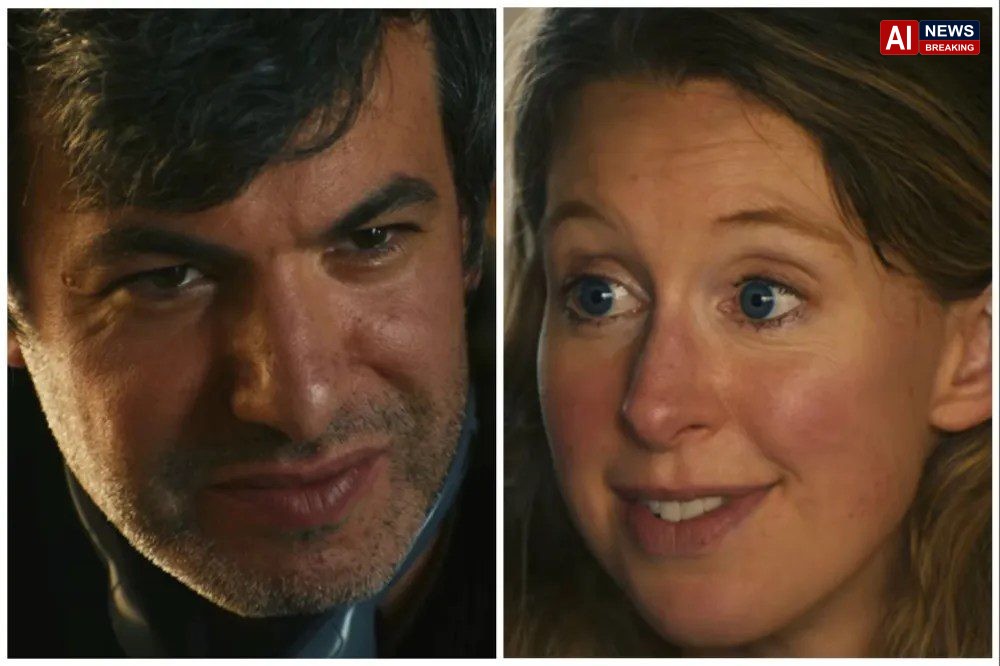
Nathan Fielder Wasn’t ‘Infatuated’ With Elizabeth Holmes While Filming ‘You Can See Everything,’ Says Billy Evans: ‘I Didn’t Get The Impression for One Minute That It Was Romantic’ - AI News Breaking
nathan fielder wasnt infatuated:
Nathan Fielder’s documentary “You Can See Everything”, which premiered on A24 last month, has sparked a wave of speculation about the nature of his relationship with former Theranos CEO Elizabeth Holmes. Viewers and commentators alike have debated whether the film hints at a personal attraction, fueled by intimate interview moments and lingering glances. The director, known for his dead‑pan comedy series “Nathan For You”, has remained largely silent on the matter, leaving room for rumor to fill the void..
This vacuum prompted Billy Evans, the film’s principal editor and long‑time collaborator with Fielder, to speak publicly for the first time since the documentary’s release. In a candid interview with a leading entertainment outlet, Evans dismissed the notion that any romance ever existed between Fielder and Holmes during the months of filming. He said, “I didn’t get the impression for one minute that it was romantic.” The editor emphasized that the professional dynamic was strictly journalistic, with Fielder approaching Holmes as a subject rather than a confidante..
According to Evans, the team maintained a clear boundary, focusing on extracting factual testimony about the rise and fall of Theranos rather than indulging in personal intrigue. Evans outlined the logistical constraints that shaped their interactions. Filming took place over a three‑month period in 2022, during which Holmes was under strict parole conditions and subject to extensive legal scrutiny..
Access to her was granted only through a formal arrangement with her legal counsel, limiting the crew’s ability to engage in any off‑camera conversation. The editor recalled that most interview segments were conducted in a controlled environment, with a small crew present, and that any casual banter was kept to a professional minimum. The editor also highlighted the documentary’s narrative intent, noting that Fielder’s goal was to explore the broader cultural fascination with “the myth of the visionary founder”..
He argued that the film deliberately avoids sensationalism, instead presenting Holmes as a complex figure whose decisions had profound consequences for investors and patients alike. Evans said this approach required the director to keep personal feelings out of the frame, ensuring that the audience could focus on the systemic issues that allowed Theranos to flourish for years. Critics of the documentary have pointed to a particular scene in which Holmes looks directly into the camera while Fielder remains silent, interpreting it as a moment of unspoken intimacy..
Evans refuted that reading, explaining that the pause was a stylistic choice meant to convey the weight of the moment. “We wanted the viewer to sit with the gravity of her confession,” he said, “not to imply a hidden romance.” He added that such editing decisions were made collaboratively, with input from the documentary’s research team, to maintain factual integrity. The interview also touched on the broader public appetite for dramatizing real‑life scandals..
Evans observed that audiences often seek a personal angle to make complex corporate failures more relatable. He warned that this tendency can blur the line between investigative reporting and entertainment gossip, especially when high‑profile individuals like Holmes are involved. By underscoring the editorial discipline applied throughout production, Evans hopes to remind viewers that the documentary is a record of events, not a romantic thriller..
Legal experts consulted by Evans confirmed that any suggestion of a personal relationship could have complicated ongoing litigation involving Holmes and her former colleagues. The director’s team was mindful of potential defamation claims, and therefore took care to document every statement with corroborating evidence. This cautious approach, Evans noted, extended to the handling of archival footage, emails, and court documents, which were cross‑checked to avoid misrepresentation..
The editor also addressed the role of the documentary’s narrator, a voice‑over artist whose neutral tone was intended to distance the film from subjective interpretation. He explained that the narration was deliberately sparse, providing context without inserting opinion. “The viewer is left to draw their own conclusions,” Evans said, “but those conclusions should be grounded in the facts we present, not in speculative romance.” This methodology aligns with the BBC’s own standards for impartial reporting, which the team aimed to emulate..
In addition to clarifying the professional nature of Fielder’s interactions with Holmes, Evans spoke about the emotional toll the project took on the crew. Constant exposure to testimonies of fraud, broken promises, and personal loss weighed heavily on those involved. He recounted that several team members sought counseling during post‑production, a testament to the seriousness with which the documentary treated its subject matter..
This behind‑the‑scenes detail further distances the film from any notion of light‑hearted intrigue. The response from Holmes herself to the documentary has been measured. In a brief statement released through her legal team, she expressed appreciation for the opportunity to tell her side of the story, while reiterating her belief that the legal process remains “unfair”..
Evans interpreted her comment as consistent with the neutral stance the film maintains, neither vilifying nor exonerating her. He added that the documentary’s balanced portrayal may encourage a more nuanced public discussion about accountability in the tech sector. Since its release, “You Can See Everything” has generated robust debate on social media platforms, with some commentators still insisting that the director’s demeanor hinted at affection..
Evans urged viewers to consider the broader context of the film’s construction, reminding them that editing choices can be misread when stripped of their original intent. He concluded that the documentary’s primary achievement lies in its illumination of how charismatic leadership can mask systemic failures, a lesson he believes remains relevant beyond the Theranos saga. As the conversation around the documentary evolves, the clarification offered by Billy Evans serves as a reminder that journalistic rigor often operates behind the scenes, away from.
Updated: November 15, 2026
The editor’s denial reframes the buzz around “You Can See Everything” as a cautionary tale about our appetite for scandal‑driven romance, underscoring that sensational speculation can eclipse the deeper systemic critique the film intended. By foregrounding rigorous fact‑checking over intrigue, the documentary challenges viewers to confront the structural flaws that enable charismatic fraud, not the imagined love story between filmmaker and subject.