
 Pakistan’s leaders hail first astronaut aboard Chinese craft: ‘Proud one of us has gone into space’
 British tourist travels 29 hours from Mumbai to Amritsar for ₹5,461, rates Indian Railways 10/10 | Viral video
 The Supreme Court will decide whether assault weapons bans violate the Second Amendment
 A Critic of Beijing Falls Short in Taiwan’s Key Mayoral Election
 EPA says no rise in contamination after Army detonates lead azide stockpile in Iowa
Turkey prices rise, Thanksgiving bills expected to increase.
A new American Farm Bureau Federation survey reveals turkey prices are up 19% year‑over‑year, while rising diesel costs are pushing side‑dish and dessert prices higher. The combined effect could add up to 20% to the average Thanksgiving bill, hitting low‑income families hardest and prompting retailers to offer “value packs” and shoppers to hunt for savings.
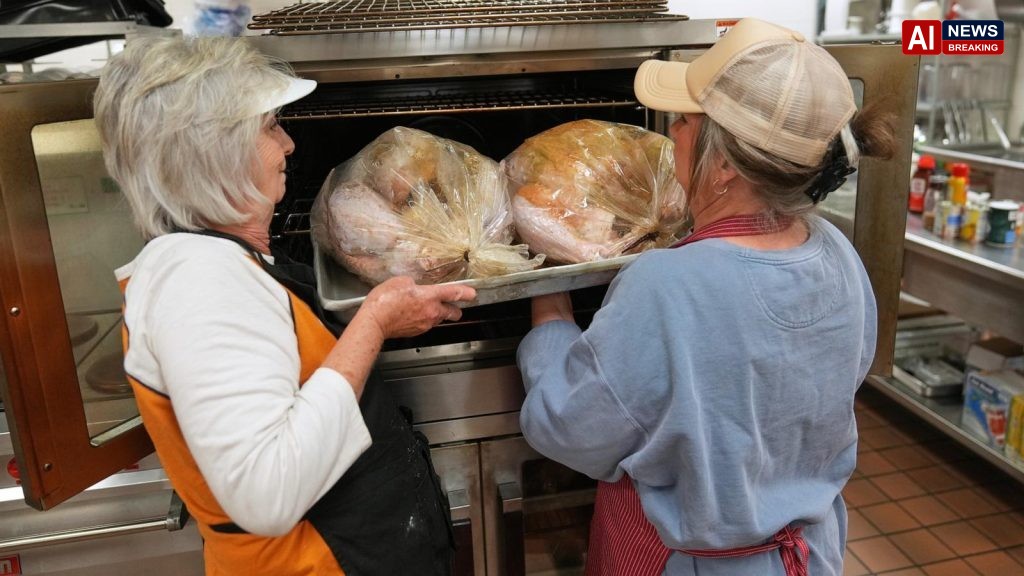
Americans will pay more for Thanksgiving dinners this year, Farm Bureau says - AI News Breaking
turkey prices rise thanksgiving:
Americans are bracing for a pricier Thanksgiving dinner this year, after a new survey from the American Farm Bureau Federation highlighted a confluence of factors that could lift the cost of the holiday meal. The survey, released on Wednesday, found that turkey prices have surged to record levels while rising fuel costs are pushing up the price of a wide range of side dishes and desserts. Analysts say the combined effect could add anywhere from a few dollars to more than twenty percent to the average household’s Thanksgiving bill, depending on location and menu choices.The Farm Bureau’s findings are based on data collected from grocery retailers, wholesalers and producers across the United States over the past six months..
Turkey, the centerpiece of most Thanksgiving feasts, saw its wholesale price climb by 19 per cent compared with the same period last year, according to the group’s calculations. The increase reflects a tighter supply of birds, driven by a hotter-than-usual summer that reduced hatch rates, as well as higher feed costs linked to surging corn and soybean prices. Some regional markets reported turkey prices that were as much as 30 per cent above the previous year’s average.Fuel costs, which have been volatile since the start of the year, are also playing a significant role in the rising price of Thanksgiving staples..
The Department of Energy reported that the average price of diesel – the fuel most commonly used for transporting food goods – has risen by roughly 12 per cent since January. That increase is being passed on to consumers in the form of higher grocery prices for items such as potatoes, carrots, cranberries and even pre‑made pies. In the Farm Bureau survey, the average price of a 5‑pound bag of potatoes was up 8 per cent, while the cost of a 12‑ounce bag of fresh cranberries rose by 11 per cent.The impact of these price hikes is likely to be felt most acutely by low‑income families, who already allocate a larger share of their budgets to food..
A report from the United States Department of Agriculture earlier this year warned that food‑insecure households spend an average of 33 per cent of their income on groceries, compared with 12 per cent for food‑secure households. With Thanksgiving expenses projected to increase, economists say many families may have to adjust their menus, reduce the number of side dishes or seek out discounted alternatives in order to stay within budget.Retailers are already responding to the anticipated surge in demand and the higher input costs by promoting special deals and discount bundles. Several national grocery chains have announced “Thanksgiving value packs” that combine turkey, stuffing mix, canned cranberry sauce and frozen desserts at a reduced price compared with purchasing each item individually..
However, consumer advocates caution that such bundles may mask the underlying price increases, and advise shoppers to compare unit prices carefully before committing to a deal.Some experts point to the growing popularity of alternative proteins as a potential mitigating factor. Plant‑based turkey substitutes, which have been on the market for several years, are seeing a modest uptick in sales as consumers look for cheaper or more sustainable options. While these products are still generally priced higher than traditional turkey, the gap has narrowed as manufacturers achieve economies of scale..
Nevertheless, the overall market share of plant‑based alternatives remains small, and most households are expected to continue purchasing conventional turkey for the holiday.The Farm Bureau’s survey also examined the effect of inflation on ancillary holiday expenses such as travel and entertainment. The group noted that airline ticket prices for the Thanksgiving period have risen by an average of 7 per cent compared with last year, while hotel rates in popular travel destinations have increased by roughly 5 per cent. When combined with higher food costs, the total financial burden of the holiday could be significant for families planning both a traditional dinner and a trip to see relatives.Policy makers are watching the trend closely, as rising food costs can have broader economic implications..
The Congressional Budget Office has warned that persistent inflation in essential goods could erode consumer confidence and dampen overall spending, potentially slowing the post‑pandemic economic recovery. Lawmakers in several states have already introduced measures to support food‑insecure households during the holiday season, including expanding eligibility for nutrition assistance programs and providing emergency grants to food banks.Food banks across the country are preparing for an increased demand for donations as Thanksgiving approaches. The Feeding America network estimates that it will need an additional 15 per cent of its usual supplies to meet the anticipated shortfall caused by higher grocery prices..
Community organisations are urging consumers to donate non‑perishable items and to volunteer at distribution centres, emphasizing that collective effort can help mitigate the impact of rising costs on the most vulnerable.Despite the projected price increases, many Americans remain optimistic about the holiday. A Pew Research Center poll conducted in September found that 78 per cent of respondents said they were “looking forward to Thanksgiving” and intended to celebrate with family and friends, regardless of the cost. Cultural traditions, the sense of togetherness and the symbolic importance of the meal appear to outweigh financial concerns for most households.As the holiday draws nearer, consumers are advised to plan ahead, monitor price trends and consider flexible menu options..
Early shopping, bulk purchasing and taking advantage of sales can help offset some of the additional expenses. While the exact impact on each family’s budget will vary, the consensus among economists is clear: Thanksgiving this year will likely cost more, but careful budgeting and community support can help keep the celebration within reach..
Updated: November 18, 2026
A new Farm Bureau survey warns that soaring turkey prices and higher fuel costs are set to push Thanksgiving food bills up by as much as 20 percent, hitting low‑income families hardest. Retailers are rolling out value packs and shoppers are urged to compare unit prices and consider budget‑friendly menu tweaks to keep the holiday affordable.
The surge in turkey and side‑dish costs isn’t just a seasonal bump—it signals that climate‑driven supply shocks and volatile fuel prices are already reshaping everyday holiday budgets, especially for low‑income families. As price pressure nudges shoppers toward bundled deals and plant‑based substitutes, the market’s response may







