The Supreme Court will decide whether assault weapons bans violate the Second Amendment
 A Critic of Beijing Falls Short in Taiwan’s Key Mayoral Election
 EPA says no rise in contamination after Army detonates lead azide stockpile in Iowa
 Israeli Strike Kills 2 Workers at Gaza Clinic, Doctors Without Borders Says
 McQueen Pre-Fall 2027
France’s Bookstores, Beloved Curators of Literature, Are in a Deep Crisis
**
France’s Bookstores, Beloved Curators of Literature, Are in a Deep Crisis - AI News Breaking
frances bookstores beloved curators:
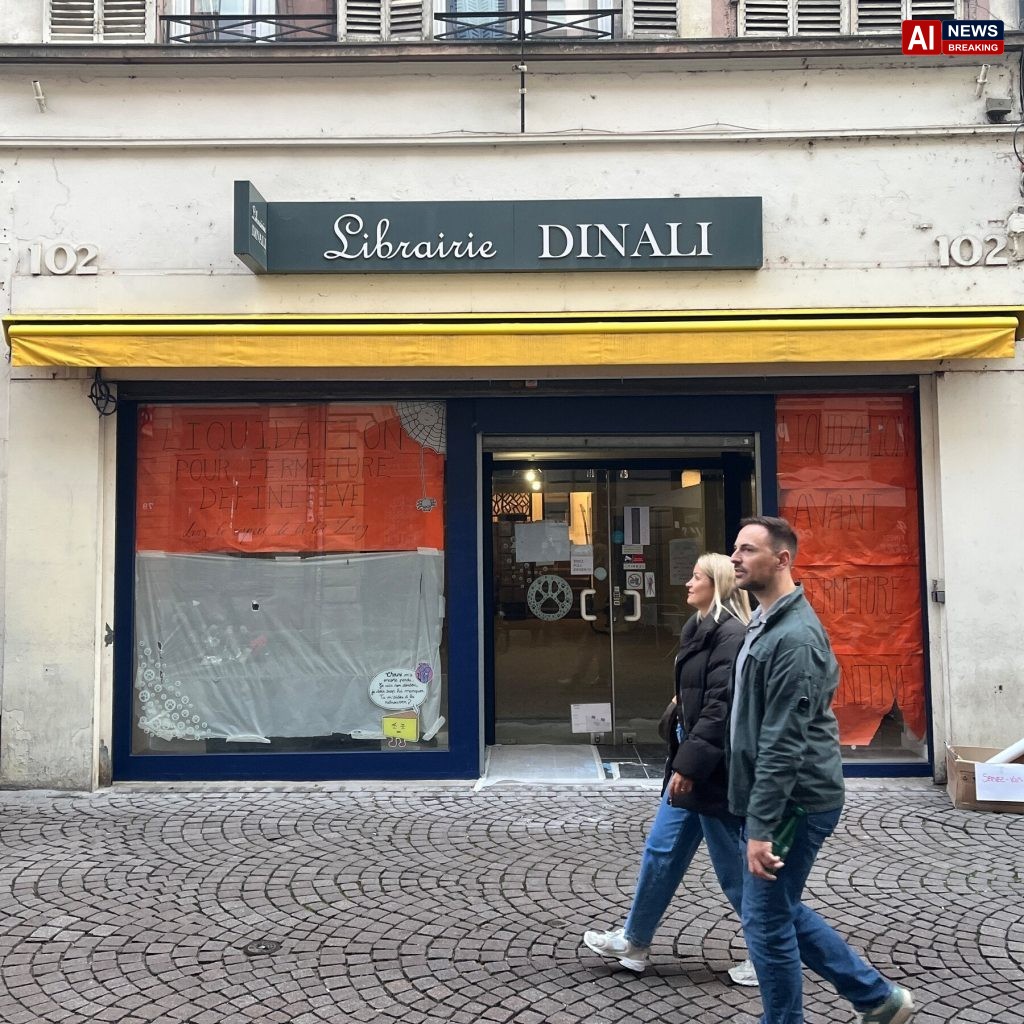
France’s bookshops, once the quiet guardians of the nation’s literary culture, are now facing a crisis that threatens to alter the country’s relationship with printed words. The sector is grappling with a combination of rising operational costs and stringent price controls that have forced many independent retailers to shutter their doors. As the number of closed shops climbs, emerging writers lose a crucial platform for visibility, and readers find their choices narrowed.The price control mechanism, introduced by the French government in 2021, caps the retail price of books at a fixed rate..
While intended to protect consumers from ever‑growing costs, the policy has unintended consequences for small bookstores. By standardising prices across the market, the regulation reduces the profit margin that these retailers can rely on, especially when compared with large chains and online sellers that can negotiate better wholesale terms. In addition, the law limits the ability of shops to offer discounts or special promotions that often help drive sales during seasonal peaks or author events.Rising costs are equally corrosive..
Rent prices in urban centres have surged in recent years, and the cost of utilities, staffing, and inventory has climbed. The COVID‑19 pandemic exacerbated these pressures: many bookshops had to invest in new safety measures, shift to e‑commerce platforms, and support remote work for staff. Even after the pandemic’s acute phase has eased, the financial burden remains..
The combination of limited revenue streams and high fixed expenses has left a significant portion of the sector struggling to stay afloat.The effect on authors is stark. Historically, bookshops have played a critical role in discovering and promoting new voices. The chance to meet readers, sign contracts, and sell signed copies has been a vital part of an author’s launch strategy..
In recent months, the number of author launches, book signings, and literary festivals hosted by independent stores has declined sharply. Without these public readings and personal interactions, writers find it increasingly difficult to build a readership base that can sustain a long‑term career.The decline in shop numbers also signals a loss of cultural diversity. Many independent booksellers specialise in niche genres or regional literature that larger chains overlook..
They curate shelves with a personal touch, offering recommendations that reflect local tastes and intellectual trends. The shuttering of these shops risks homogenising the literary landscape, with only mainstream titles and globally distributed bestsellers finding shelf space.The French Book Industry Association (AFI) estimates that, since the introduction of price controls, the number of bookstores in France has fallen by more than 15 per cent. A 2024 report revealed that 350 independent shops closed over the past five years, a figure that has exceeded the total number of new stores opened during the same period..
The association calls for a reassessment of the price regulation framework, arguing that it should be better aligned with the realities of small‑scale retail.Critics of the price control argue that the policy unfairly penalises the very retailers it was designed to help. They contend that the uniform pricing removes incentives for small shops to differentiate themselves through service, atmosphere, and curation. Supporters, however, maintain that the law protects readers from price gouging by larger publishers and online giants, ensuring that books remain affordable.Some governments in other European countries have taken a different approach..
The United Kingdom, for instance, allows a modest discount on e‑books for independent retailers, and Germany offers tax rebates to small bookshops. These examples suggest that a more flexible regulatory environment could help France strike a balance between consumer protection and the viability of independent shops.The industry’s leaders are exploring a range of solutions. One proposal is to introduce a tiered pricing system that would allow smaller retailers to offer discounts without affecting the standard price set for larger chains..
Another idea involves expanding tax relief for bookstores that invest in community‑based initiatives, such as reading programmes for schools and libraries. Finally, some argue for a subsidy scheme that would partially offset the high rent costs faced by shops in prime urban locations.For readers, the shrinking number of bookstores may feel like a loss of a cultural hub. Bookshops have long served as quiet gathering places where strangers meet over a shared love of stories..
They provide a tactile experience that online platforms cannot replicate, offering the scent of fresh paper, the feel of a well‑worn cover, and the serendipity of a random discovery. As the number of physical spaces dwindles, the risk is that the social fabric of literary discussion could fray.In the wider context, the crisis underscores a global shift in how people consume literature. Digital platforms, while convenient, do not replicate the nuanced relationship between reader and book that physical shops cultivate..
Yet the pandemic‑era acceleration of online sales has made it difficult for physical retailers to compete. If France’s independent booksellers cannot adapt to this new environment without eroding their core identity, the country may lose a key part of its literary heritage.The next few months will be crucial. Policymakers, industry bodies, and community organisations will need to negotiate a path forward that preserves the cultural value of independent bookstores while ensuring that they remain financially sustainable..
The outcome will have implications not only for France’s literary ecosystem but also for the broader conversation about how societies can protect the spaces that nurture cultural production in an era of digital dominance..
The price cap is turning French bookshops into unprofitable museums; their closures could strip the nation of its most intimate literary incubators and erode the cultural dialogue that only physical shelves can spark. A more nuanced policy—allowing micro‑discounts or tax relief—might keep these touchstones alive