 This Tiny Village Is Picture Perfect, Apart From All the Tourists
  Brightline seeks to restructure over $1.5 bn of debt in bankruptcy.
  Zelensky: US Suggests UAE for New Trilateral Russia-Ukraine Peace Talks
  Weather tomorrow: IMD issues red, orange alerts across several Uttarakhand districts for Sep 26, 27 CM Dhami reacts
  Supreme Court allows Trump administration to use expanded database for potential voter purges
 Wuhan Robot Taxis Break Down, Leaving Hundreds Stranded in Chinese City
** Wuhan, China: A technical glitch has left hundreds of people stranded in Wuhan after the city’s fleet of robot taxis broke down. Authorities have launched an investigation into the “system failure” that caused the malfunction, and are working to get the services back up and running.
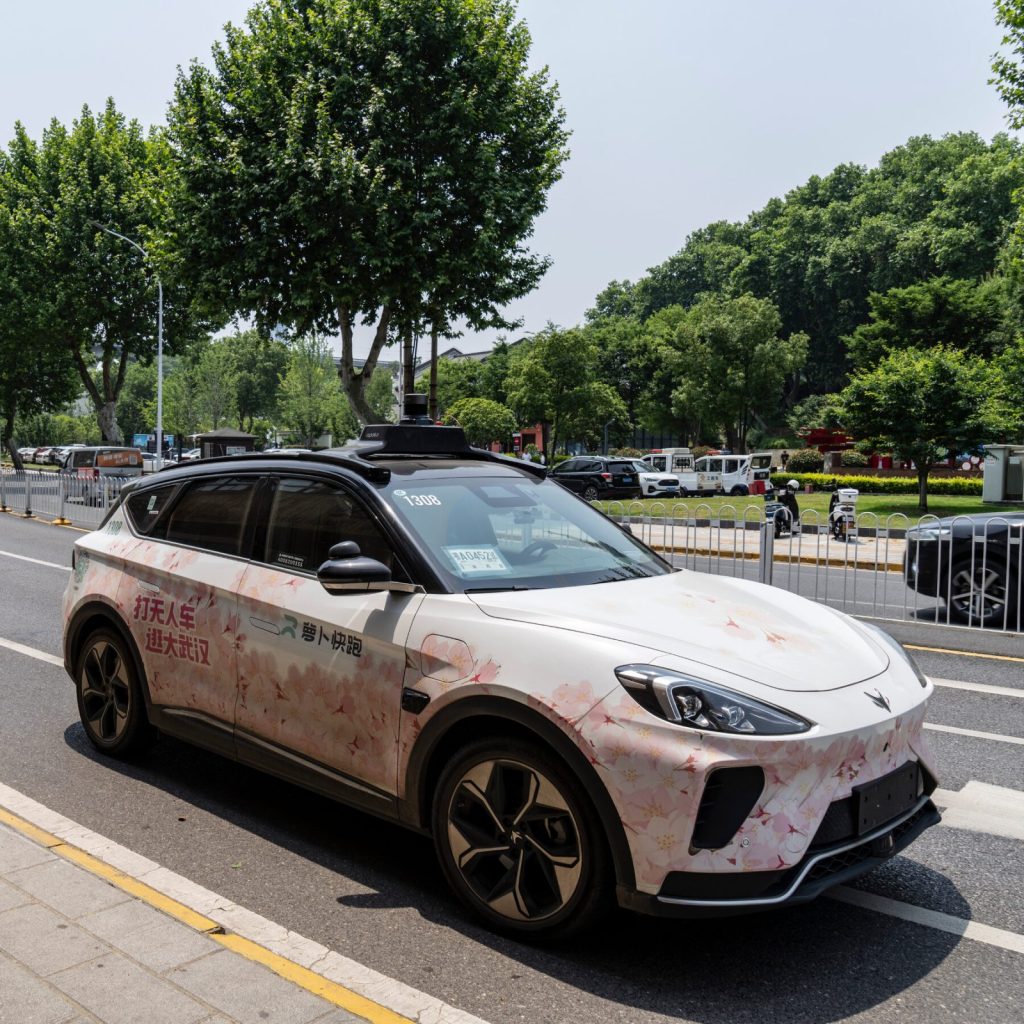
Widespread reports emerged on Tuesday evening of hundreds of travelers being left stranded in Wuhan, China, as the city’s fleet of robot taxis malfunctioned and came to a stop in the middle of the road. According to authorities, the issue was due to a “system failure” affecting the self-driving vehicles.
The incident occurred during a critical evening commute period, resulting in frustrated and stranded passengers who had no choice but to wait for hours for assistance. Wuhan, a city of over 10 million people, has been at the forefront of developing self-driving car technology, with the city hosting one of the world’s largest autonomous vehicle experiments.
The malfunctions were reported across various locations in the city, causing significant disruptions to the evening commute. Passengers who had boarded the robot taxis were left stranded, with some waiting for up to two hours for help to arrive.
While the cause of the system failure has not been disclosed, authorities have assured that an investigation into the incident is ongoing. The city’s self-driving taxi fleet has been a topic of interest worldwide, with many experts watching closely to see if Wuhan’s experiment will be a success.
Wuhan is not the first city to experience issues with its self-driving car technology. Other cities have reported similar incidents in the past, highlighting the challenges faced by developers of autonomous vehicles. However, the city’s authorities have expressed confidence that the technology will eventually overcome its current limitations.
As the investigation into the system failure continues, the city’s authorities are working to resolve the situation and get the robot taxi services back up and running. Passengers are expected to be reimbursed for any inconvenience caused by the malfunction.
The incident in Wuhan highlights the need for continued testing and improvement of self-driving car technology, which is seen as key to reducing traffic congestion and improving transportation efficiency.