 Australia probes AI‑driven breach of My Health Record portal
  Engineering student’s ‘suicide’ turns out to be murder; two arrested
  Canada’s Capital Bids Good Riddance to Trump Avenue as Tensions With U.S. Rise
  Pentagon investigates after China obtains parts from F-35 stealth fighter jet
 Russia Charges Telegram Founder Pavel Durov With Facilitating Terrorism, Deepening Clash Over Platform’s Role in Ukraine War
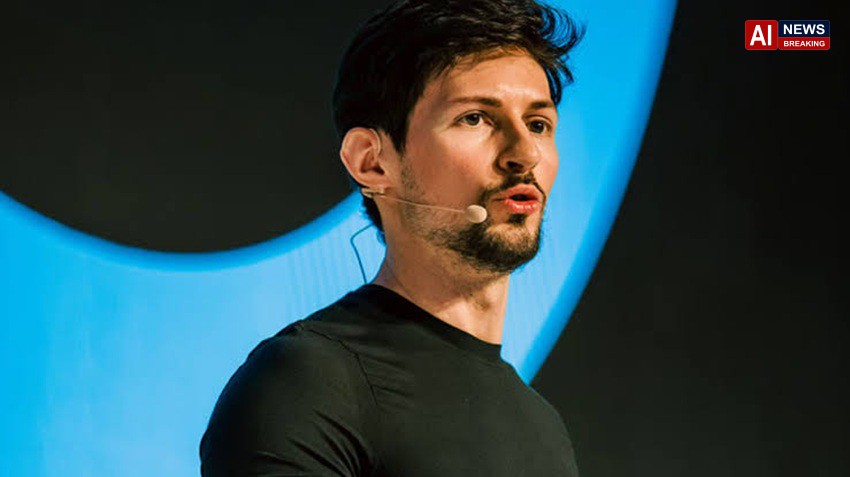
In a dramatic escalation of tensions between Russia and the popular messaging app Telegram, the country’s security agency, the FSB, has charged Pavel Durov, the founder of Telegram, with facilitating terrorism. According to the FSB, Telegram has failed to remove accounts and channels used for recruitment by Ukraine’s service. The move comes as part of a long-standing dispute between Telegram and Russian authorities..
The FSB claims that these channels and accounts have been used to spread propaganda and recruit individuals to fight against Russia’s interests. The FSB alleges that Telegram has allowed these channels to remain active, despite being repeatedly asked to take action. The agency claims that the app’s policies have enabled these groups to operate with impunity, posing a significant threat to national security.
Key Highlights
- Russia’s FSB has charged Telegram founder Pavel Durov with facilitating terrorism.
- Authorities allege Telegram failed to remove Ukrainian-linked recruitment channels.
- Durov could face up to six years in prison if convicted under Russian law.
- The case represents the latest chapter in Russia’s longstanding conflict with Telegram.
- Analysts say the controversy highlights growing tensions between governments and digital platforms.
The charges against Durov carry a sentence of up to six years in prison if convicted. In a statement, the FSB said that Telegram remains one of the most popular platforms used by Ukraine’s services for their terrorist activities against the Russian Federation. The agency claims that the app has failed to take adequate measures to prevent the spread of propaganda and recruitment activities, despite being informed of these issues..
The move by the FSB has sparked concerns about freedom of speech and the ability of Russian citizens to access information online. The charges against Durov have been met with criticism from human rights groups, who argue that they undermine the principles of free expression. The case has sparked a heated debate about the role of social media companies in regulating content and their responsibility to prevent the spread of hate speech and terrorist propaganda..
In response to the charges, Telegram released a statement that the app is neutral and does not take sides in the conflict between Russia and Ukraine. However, the FSB claims that this stance has enabled the app to become a platform for pro-Ukrainian groups to spread propaganda and recruitment materials. The agency says that Telegram’s policies have created a safe haven for these groups, allowing them to operate with impunity..
The charges against Durov are the latest development in a long-standing dispute between Telegram and Russian authorities. In 2020, the FSB demanded that Telegram provide access to encrypted messages, which the app has refused to do. The move is seen as an attempt by the Russian government to exert greater control over social media companies and the flow of information online..
The case has implications for the global digital community and the role of social media companies in regulating content. The charges against Durov highlight the complexities of balancing freedom of speech with the need to prevent the spread of hate speech and terrorist propaganda. As the case unfolds, it is unclear how it will impact the global digital landscape and the ability of social media companies to operate in Russia..
In a statement, a spokesperson for the Russian government said that the charges against Durov are part of a broader effort to protect national security. The spokesperson claimed that the move is necessary to prevent the spread of terrorist propaganda and recruitment activities online. The charges have been met with support from some Russian citizens, who argue that the app has enabled pro-Ukrainian groups to spread disinformation and propaganda..
However, critics argue that the charges against Durov are a classic example of internet censorship and an attempt by the Russian government to suppress free speech. They claim that the move undermines the principles of democracy and the right to access information online. The case has sparked a heated debate among digital rights activists and social media companies about the need for greater regulation of online content..
The charges against Durov come as Russia continues to crack down on dissent and opposition voices online. The move is part of a broader effort by the Russian government to exert greater control over the flow of information online. The case has implications for the global digital community and the role of social media companies in regulating content..
In a statement, a spokesperson for the European Union said that the charges against Durov are alarming and undermine the principles of freedom of expression. The spokesperson called on the Russian government to respect the rights of its citizens to access information online. The charges have sparked concerns about the implications for global digital governance and the need for greater regulation of online content..
The case highlights the complexities of navigating the tensions between freedom of speech, national security, and the need to prevent the spread of hate speech and terrorist propaganda. As the case unfolds, it is unclear how it will impact the global digital landscape and the ability of social media companies to operate in Russia..
Updated: July 29, 2026
This move by the Russian government marks a significant escalation in their attempts to control the online narrative and silence dissenting voices. The charging of Telegram’s founder suggests that Russia’s authorities are willing to take extreme measures to suppress free speech and maintain their grip on the digital landscape.