Europe warns of Russia’s hybrid attacks but struggles to counter them
  Former chief election commissioner calls SIR scheme illegal.
  A Corruption Scandal Is Reshaping Brazil’s Presidential Election
  US citizen injured in Illinois after ICE agents mistook him for fugitive, tried to arrest him
  At 10 years old, Smithsonian’s Black museum is undaunted amid pressure from Trump administration
 60 Nations Meet in Colombia to Ditch Fossil Fuels
Around 60 countries have convened in Colombia to explore alternative solutions to reduce greenhouse gas emissions and transition away from fossil fuels, marking a significant shift in the global effort to combat climate change as frustration grows with the lack of progress at the United Nations.
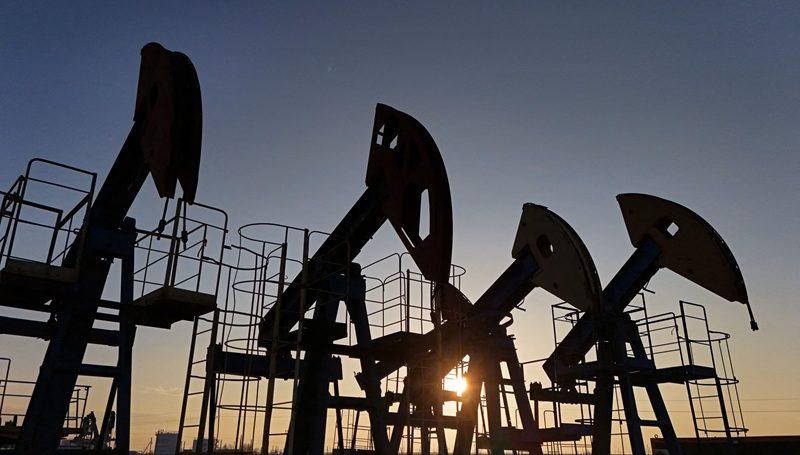
US and Iran halt strikes, oil prices fall - AI News Breaking
nations meet colombia ditch:
Updated: April 24, 2026
Climate Change Negotiations Take a New Turn as Frustration Grows with UN Deadlock
In a significant development, around 60 countries have gathered in Colombia to discuss a potential new path forward in the fight against climate change, marking the first-ever talks focused on ditching fossil fuels. This move comes as frustration grows with the lack of progress at the United Nations, where member states have been deadlocked on the issue for years.
What happened is that these countries, driven by a sense of urgency and disappointment with the pace of change at the UN, have decided to take matters into their own hands. The meeting in Colombia is seen as a crucial step towards exploring alternative solutions to reduce greenhouse gas emissions and transition away from fossil fuels. This is a major shift, as it indicates that countries are no longer willing to wait for a global consensus on climate action and are instead forging ahead with their own initiatives.
To understand the context of this development, it’s essential to look at the background timeline of climate change negotiations. The UN Framework Convention on Climate Change (UNFCCC) was established in 1992, with the aim of stabilizing greenhouse gas concentrations in the atmosphere. Since then, there have been numerous conferences and agreements, including the Kyoto Protocol in 1997 and the Paris Agreement in 2015. However, despite these efforts, global emissions continue to rise, and the pace of climate change shows no signs of slowing down. The last few years have seen growing frustration with the lack of progress, particularly among vulnerable countries that are already experiencing the devastating impacts of climate change.
The key concerns driving this new initiative are the slow pace of progress at the UN and the lack of concrete actions to reduce emissions. Many countries feel that the UN process has become too bureaucratic and is being held hostage by the interests of a few large emitters. The Colombia meeting is seen as a way to break free from these constraints and forge a new path that is more focused on action than rhetoric. Another critical issue is the role of fossil fuels in driving climate change. As the main source of greenhouse gas emissions, it’s clear that a transition away from fossil fuels is essential to meet the goals of the Paris Agreement. However, this is a challenging task, particularly for countries that are heavily reliant on fossil fuel exports.
So, what’s next? The outcomes of the Colombia meeting are uncertain, but it’s clear that this new initiative has the potential to shake up the climate change negotiations landscape. If successful, it could lead to a surge in new commitments and actions to reduce emissions, particularly among the countries that are participating in the talks. It could also put pressure on other countries to follow suit, potentially leading to a snowball effect that drives greater ambition and action on climate change. The real-world impact of this development could be significant, particularly if it leads to a rapid transition away from fossil fuels and towards cleaner, more sustainable forms of energy. This, in turn, could have major benefits for the environment, human health, and the economy, as countries begin to reap the rewards of a low-carbon future.
Climate Change Negotiations Take a New Turn as Frustration Grows with UN Deadlock In a significant development, around 60 countries have gathered in Colombia to discuss a potential new path…
This is a developing story. More updates will follow as new information becomes available.
This is a developing story. More updates will follow as new information becomes available.