Europe warns of Russia’s hybrid attacks but struggles to counter them
  Former chief election commissioner calls SIR scheme illegal.
  A Corruption Scandal Is Reshaping Brazil’s Presidential Election
  US citizen injured in Illinois after ICE agents mistook him for fugitive, tried to arrest him
  At 10 years old, Smithsonian’s Black museum is undaunted amid pressure from Trump administration
 Tricked Into Fighting for Russia: How African Recruits Are Being Drawn Into Moscow’s War Machine
tricked fighting russia african:
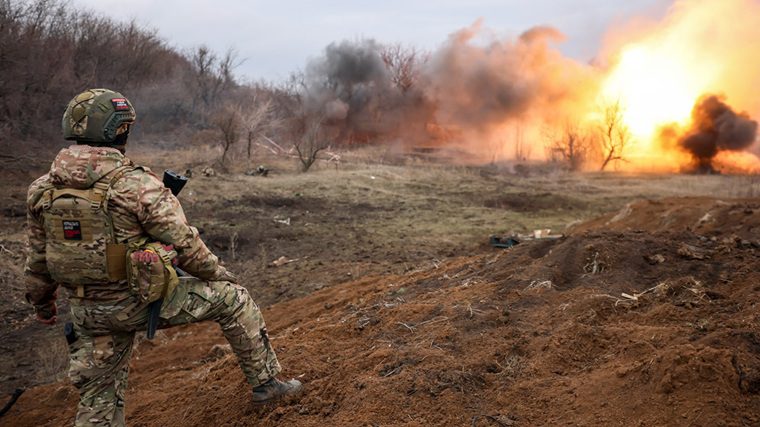
As the war in Ukraine drags into another brutal phase, Russia is facing a problem that has become increasingly difficult to hide: it needs more soldiers. Heavy battlefield losses, a long front line, and mounting domestic fatigue have pushed Moscow to search far beyond its borders for manpower. In recent months, reports from Africa, South Asia, and the Middle East have revealed how foreign recruits are being drawn into the Russian military system—often through deception, coercion, or false promises of employment.
For many Africans struggling with unemployment, inflation, political instability, and limited economic opportunities, the offers can appear irresistible. Recruiters advertise jobs in construction, security, logistics, factory work, or hospitality. Some promise education, high salaries, Russian residency, or fast-track citizenship. But for a growing number of recruits, the reality upon arrival is far different: military contracts, battlefield deployment, and life inside one of the world’s deadliest conflicts.
The emerging pattern has alarmed African governments, human rights organizations, and international observers who say vulnerable workers are being exploited to sustain Russia’s war effort.
Russia’s Expanding Search for Manpower
Since launching its full-scale invasion of Ukraine in 2022, Russia has suffered significant military casualties. Western intelligence estimates suggest that hundreds of thousands of Russian soldiers have been killed or wounded during the conflict. While Moscow has avoided releasing full casualty figures, the Kremlin has repeatedly expanded recruitment efforts to maintain troop levels.
Initially, Russia relied heavily on volunteer battalions, prison recruitment drives, and regional mobilization campaigns. The Wagner Group became infamous for recruiting convicts with promises of freedom after six months of service. However, as battlefield demands intensified, recruitment networks evolved into a broader international operation.
Foreign nationals from Nepal, Cuba, India, Syria, Central Asia, and several African countries have reportedly signed contracts with Russian military structures. Some entered knowingly as mercenaries or military volunteers. Others say they were misled about the nature of their work.
African recruits have increasingly become part of this system.
Why African Workers Are Vulnerable
Across many African nations, youth unemployment remains one of the biggest economic challenges. In countries such as Cameroon, Uganda, Ghana, Nigeria, Sierra Leone, and the Central African Republic, large populations of educated young people struggle to secure stable employment.
At the same time, migration opportunities to Europe or the Gulf have become more restricted and expensive. Russia, seeking to deepen its political and economic influence across Africa, has expanded visa access, scholarship programs, and labor recruitment channels in recent years.
This combination creates fertile ground for recruiters.
Many recruits reportedly encounter advertisements on social media platforms like Facebook, Telegram, WhatsApp, and TikTok. Others are approached through local agents promising lucrative work abroad. Contracts often mention salaries several times higher than local earnings, along with accommodation and travel expenses.
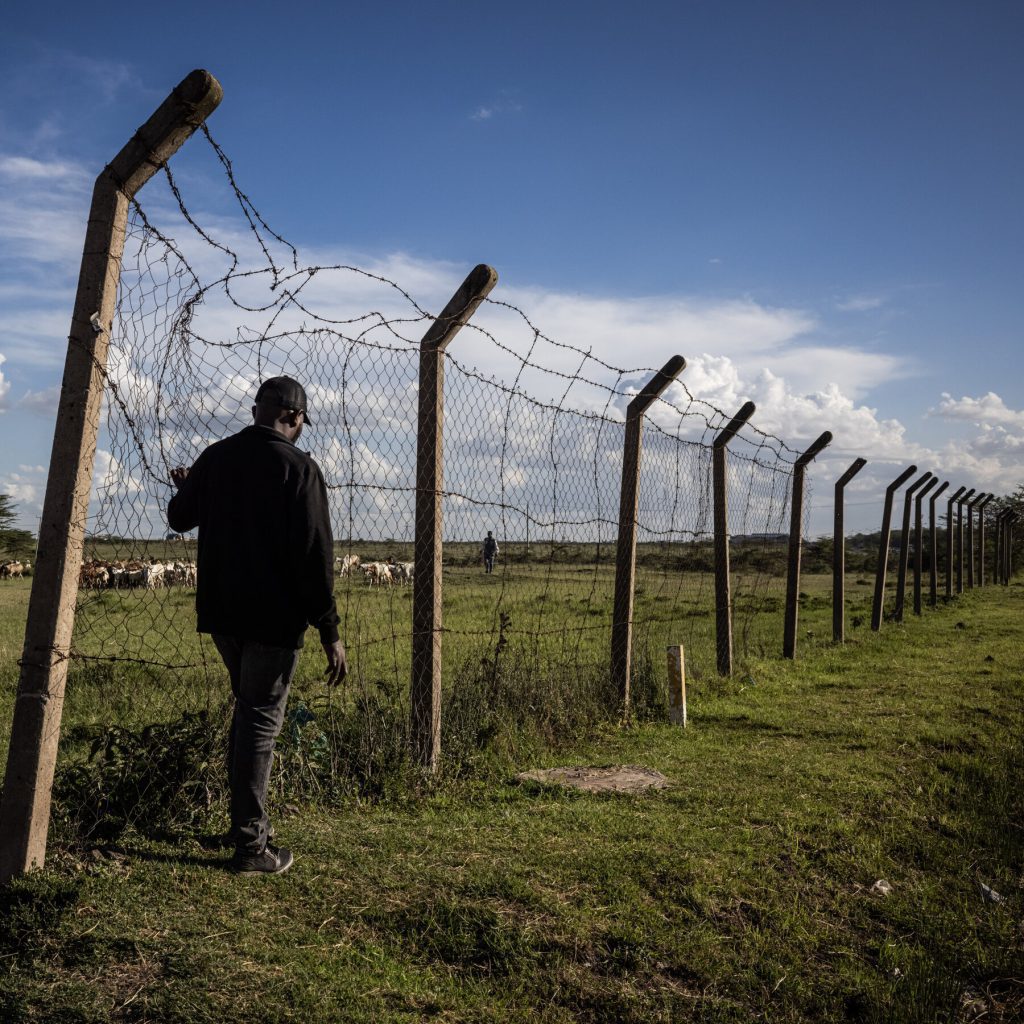
In interviews conducted by international media organizations and rights groups, several African men described being promised civilian jobs only to discover military obligations after reaching Russia.
Some say they had little understanding of the Russian language or the terms of contracts they signed.
Others reported pressure, intimidation, or confiscation of passports.
From Job Offers to Frontline Combat
Accounts from recruits suggest a recurring pattern.
Workers arrive in Russia expecting factory, construction, or security jobs. After orientation or document processing, they are allegedly instructed to sign military-related contracts. In some cases, interpreters are unavailable, leaving recruits unable to fully understand the paperwork.
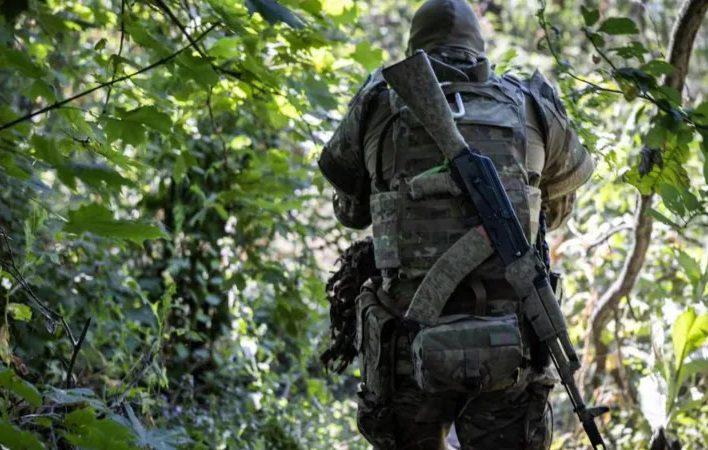
Once enlisted, they undergo limited military training before deployment toward combat zones near Ukraine.
Human rights groups say several recruits have died within weeks of arriving.
Families back home often learn the truth only after communication suddenly stops or when unofficial messages arrive from fellow soldiers.
Some survivors describe harsh battlefield conditions, inadequate equipment, and high casualty rates. Others say they were placed in dangerous assault operations with minimal preparation.
The allegations have intensified scrutiny of Russia’s recruitment tactics and raised questions about whether desperate foreign workers are effectively being used as expendable manpower.
The Role of Private Military Networks
The collapse and restructuring of the Wagner Group after the death of Yevgeny Prigozhin did not end Russia’s use of foreign military networks. Instead, analysts say recruitment activities became more fragmented and integrated into state-linked structures.
Russian military contractors and affiliated organizations continue operating across Africa, particularly in regions where Moscow has expanded security cooperation.
Countries including Mali, Central African Republic, and Libya have seen increased Russian security involvement over recent years.
These operations often combine military assistance, mining interests, political influence campaigns, and local recruitment pipelines.
Experts say Russia’s African presence gives recruiters access to networks capable of identifying economically vulnerable individuals willing to travel abroad for work.
Families Left in the Dark
For relatives, the disappearance of recruits can become a nightmare.
Parents and spouses frequently believe their family members are employed in civilian jobs in Russia. Some continue receiving occasional payments for several months, reinforcing the impression that legitimate work is taking place.
Only later do alarming details emerge.
Families interviewed by journalists in several African countries described receiving frantic phone calls from war zones, requests for help escaping military camps, or reports that loved ones had been killed in Ukraine.
In many cases, retrieving bodies or obtaining official confirmation proves extremely difficult.
Because contracts are often opaque and recruitment networks informal, families struggle to identify who is responsible.
Some governments have begun investigating recruitment claims after public pressure and media exposure.
African Governments Respond
A number of African governments have expressed concern over reports involving their citizens fighting in Russia.
Officials in several countries have issued warnings about fraudulent overseas employment schemes and unauthorized military recruitment.
Some embassies have attempted to trace missing nationals believed to be inside Russian military units.
However, many governments face practical limitations. Weak labor monitoring systems, informal migration channels, and limited diplomatic leverage make investigations difficult.
There is also political sensitivity involved.
Russia has strengthened ties with numerous African governments through arms sales, grain exports, infrastructure deals, and diplomatic support. Moscow positions itself as an alternative partner to Western powers, particularly in countries frustrated with former colonial relationships.
As a result, some governments are cautious about directly confronting Russia over recruitment allegations.
Economic Desperation Meets Geopolitics
The recruitment issue highlights a broader global trend in which economic hardship intersects with geopolitical conflict.
For unemployed workers in struggling economies, overseas labor opportunities can appear life-changing. Recruiters exploit this desperation by framing military service as ordinary employment or by hiding the risks involved.
Analysts note that foreign recruitment is not unique to Russia. Throughout history, major powers and private military companies have recruited economically vulnerable foreigners for dangerous assignments.
What makes the current situation particularly controversial is the allegation that many recruits never intended to become combatants at all.
Instead, they may have been trapped through misleading contracts, debt, passport confiscation, or false promises.
The phenomenon also underscores how modern warfare increasingly depends on globalized labor flows.
Wars are no longer fought solely by national armies. Contractors, mercenaries, migrants, and foreign volunteers now form part of military ecosystems stretching across continents.
Ukraine’s Perspective
Ukraine has repeatedly accused Russia of using foreign recruits as disposable frontline forces.
Kyiv argues that Moscow is attempting to avoid politically risky large-scale domestic mobilizations by outsourcing battlefield losses to foreigners and prisoners.
Ukrainian officials have released videos and statements involving captured foreign fighters allegedly recruited under deceptive circumstances.
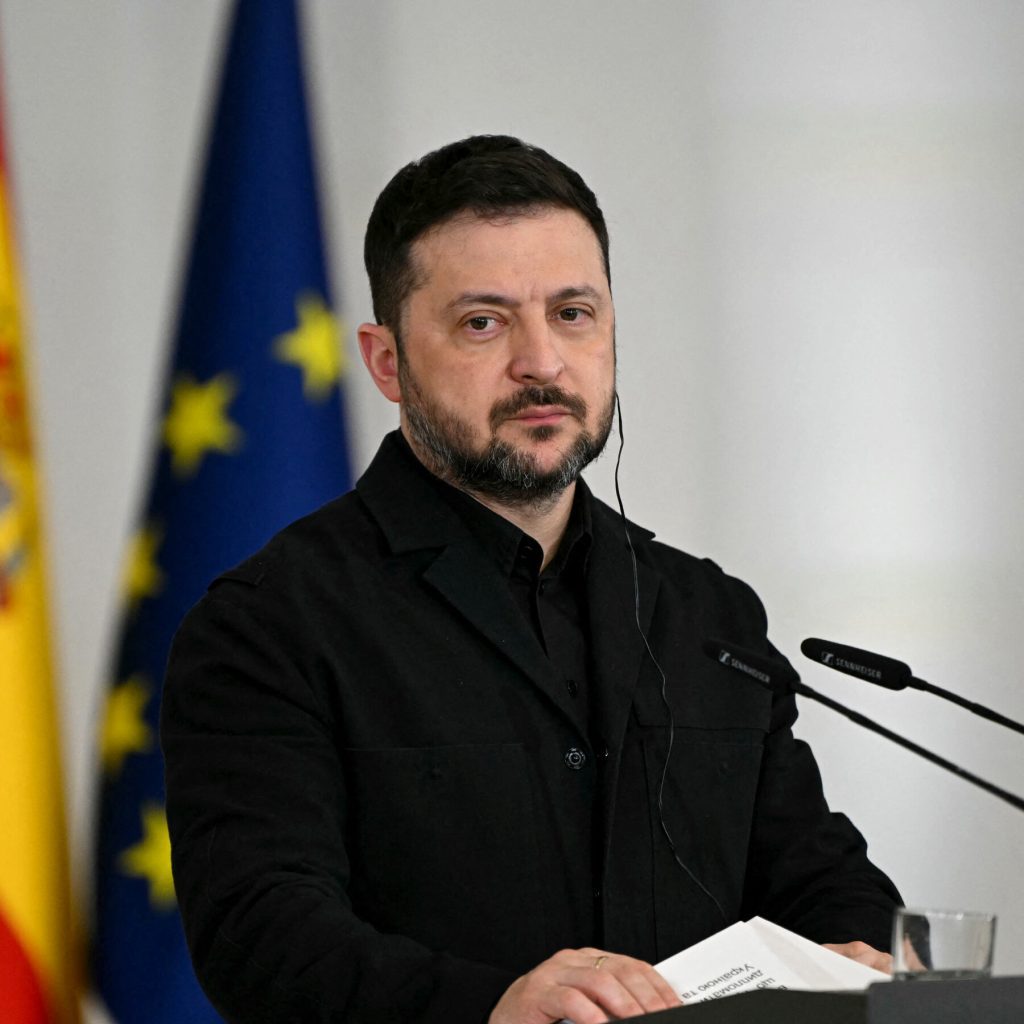
Ukraine has also warned foreign nationals against signing Russian military contracts, emphasizing the legal and physical dangers involved.
For Kyiv, the issue serves both humanitarian and strategic purposes: exposing recruitment abuses helps undermine Russia’s international image while discouraging further foreign enlistment.
Russia’s Strategic Push Into Africa
The recruitment controversy emerges amid Russia’s broader campaign to expand influence across Africa.
Over the past decade, Moscow has pursued closer relations through military cooperation agreements, anti-Western messaging, resource extraction partnerships, and security assistance.
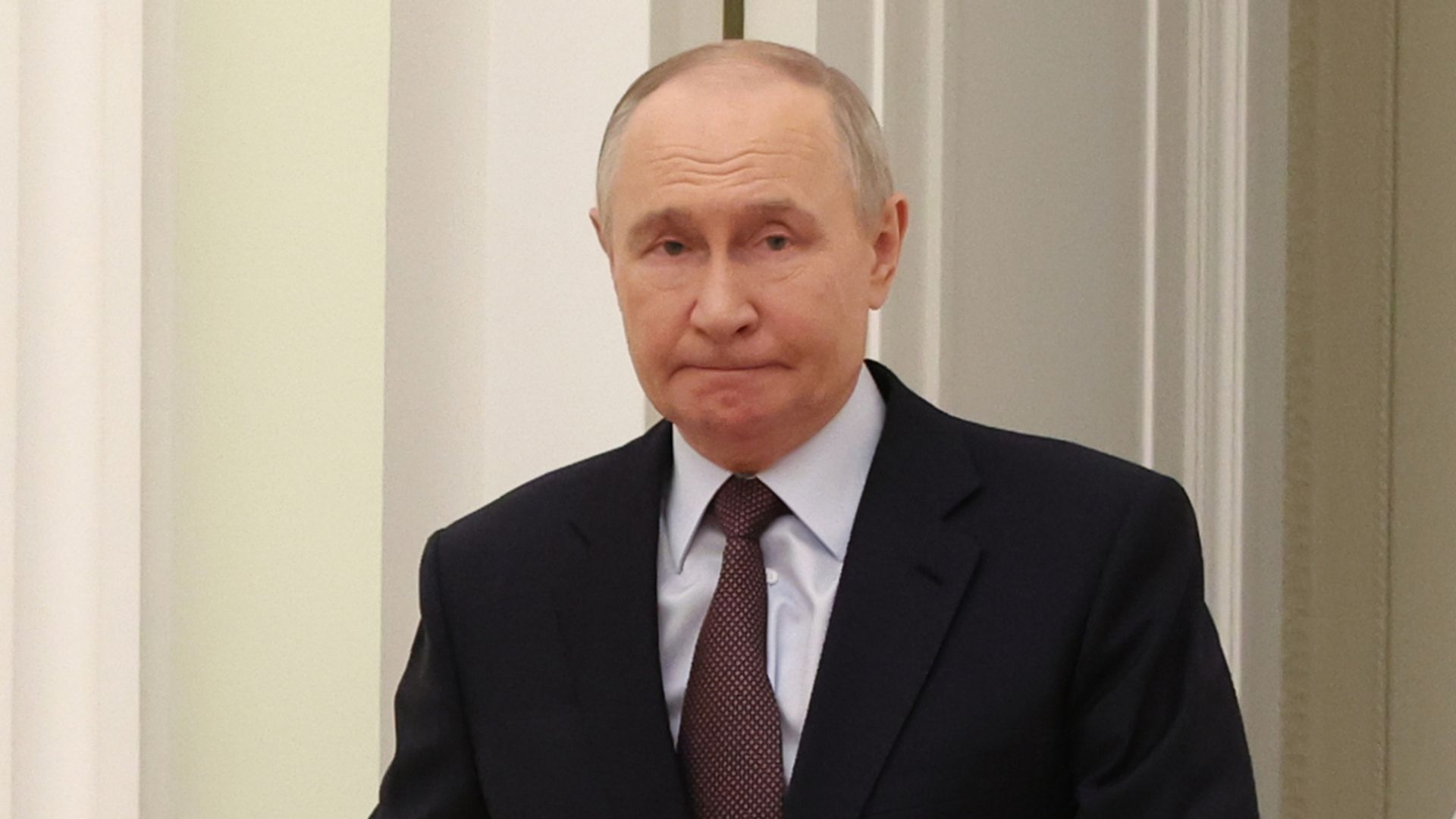
Russian officials portray Moscow as a reliable partner unconstrained by what they describe as Western political conditions or interference.
In return, Russia gains diplomatic allies, economic access, and strategic footholds.
African nations have become increasingly important to Russia in international forums, including votes at the United Nations.
The Kremlin also sees Africa as a growing market for arms exports, energy projects, and mining operations.
Critics argue that the recruitment of vulnerable African workers into military service undermines Moscow’s claims of partnership and solidarity.
Social Media and the Recruitment Pipeline
Digital platforms play a central role in modern recruitment operations.
Ads promising work opportunities in Russia circulate widely online, often featuring attractive salaries and visa assistance. Some advertisements target specific professions such as welders, security guards, or construction workers.
Messaging apps enable recruiters to operate across borders with minimal oversight.
Investigators say some networks rapidly delete accounts or shift communication channels after scrutiny emerges.
The decentralized nature of recruitment makes accountability difficult.
Unlike formal military conscription systems, many of these operations exist in legal gray zones involving intermediaries, labor brokers, and unofficial contractors.
This fragmentation complicates efforts by authorities to track recruitment flows or prosecute fraud.
Human Rights Concerns
Human rights organizations warn that the alleged deception of recruits could violate international labor and humanitarian standards.
Key concerns include:
- Misrepresentation of employment terms
- Forced or coerced military service
- Lack of informed consent
- Confiscation of identity documents
- Unsafe deployment conditions
- Limited legal protections for foreign recruits
Advocacy groups are calling for greater transparency regarding military contracts signed by foreign nationals in Russia.
They also urge African governments to strengthen oversight of overseas labor recruitment agencies and improve public awareness campaigns.
The Human Cost of War
Beyond geopolitics and diplomacy lies the human reality facing recruits and their families.
Many young men who leave Africa for Russia are not ideologues or mercenaries seeking war. They are workers searching for income, stability, and opportunity.
Some borrow money to finance travel. Others sell property or rely on relatives to pay recruitment fees.
When those journeys end on battlefields thousands of miles from home, entire families can be devastated financially and emotionally.
Communities lose breadwinners.
Parents lose sons.
Children lose fathers.
And many families never receive clear answers about what happened.
A War With Global Reach
The presence of African recruits in Russia’s military effort reflects how the Ukraine war has evolved into a conflict with worldwide consequences.
Energy markets, food prices, migration flows, arms networks, and diplomatic alliances have all been reshaped by the war.
Now, labor migration patterns are becoming part of that equation as well.
Russia’s growing reliance on foreign manpower suggests the strain of sustaining a prolonged war is intensifying. At the same time, economic instability in parts of Africa continues to create openings for exploitation.
Unless stronger oversight emerges, experts warn that more vulnerable workers could become trapped in similar recruitment schemes.
International Pressure Likely to Grow
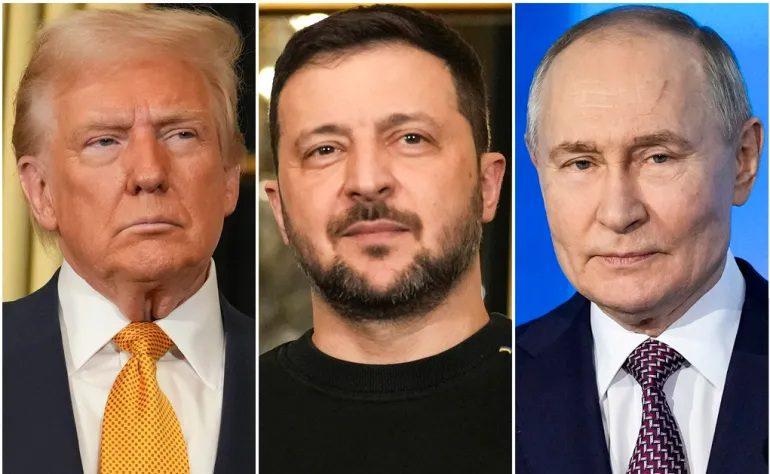
As investigations expand, international pressure on Russia may increase.
Human rights groups are demanding independent inquiries into foreign recruitment practices linked to the war. Western governments are also likely to highlight the issue as evidence of Russia’s battlefield manpower shortages.
African leaders may face growing domestic demands to protect citizens from fraudulent overseas employment operations.
Meanwhile, the conflict in Ukraine continues with no immediate resolution in sight.
As long as Russia requires additional fighters and economic hardship persists elsewhere, the recruitment pipeline may remain active.
For thousands of vulnerable workers seeking a better future abroad, the line between opportunity and exploitation has never been more dangerous.