Europe warns of Russia’s hybrid attacks but struggles to counter them
  Former chief election commissioner calls SIR scheme illegal.
  A Corruption Scandal Is Reshaping Brazil’s Presidential Election
  US citizen injured in Illinois after ICE agents mistook him for fugitive, tried to arrest him
  At 10 years old, Smithsonian’s Black museum is undaunted amid pressure from Trump administration
 Trump Signs Historic US-Iran Agreement, Marking Major Breakthrough in Middle East Diplomacy
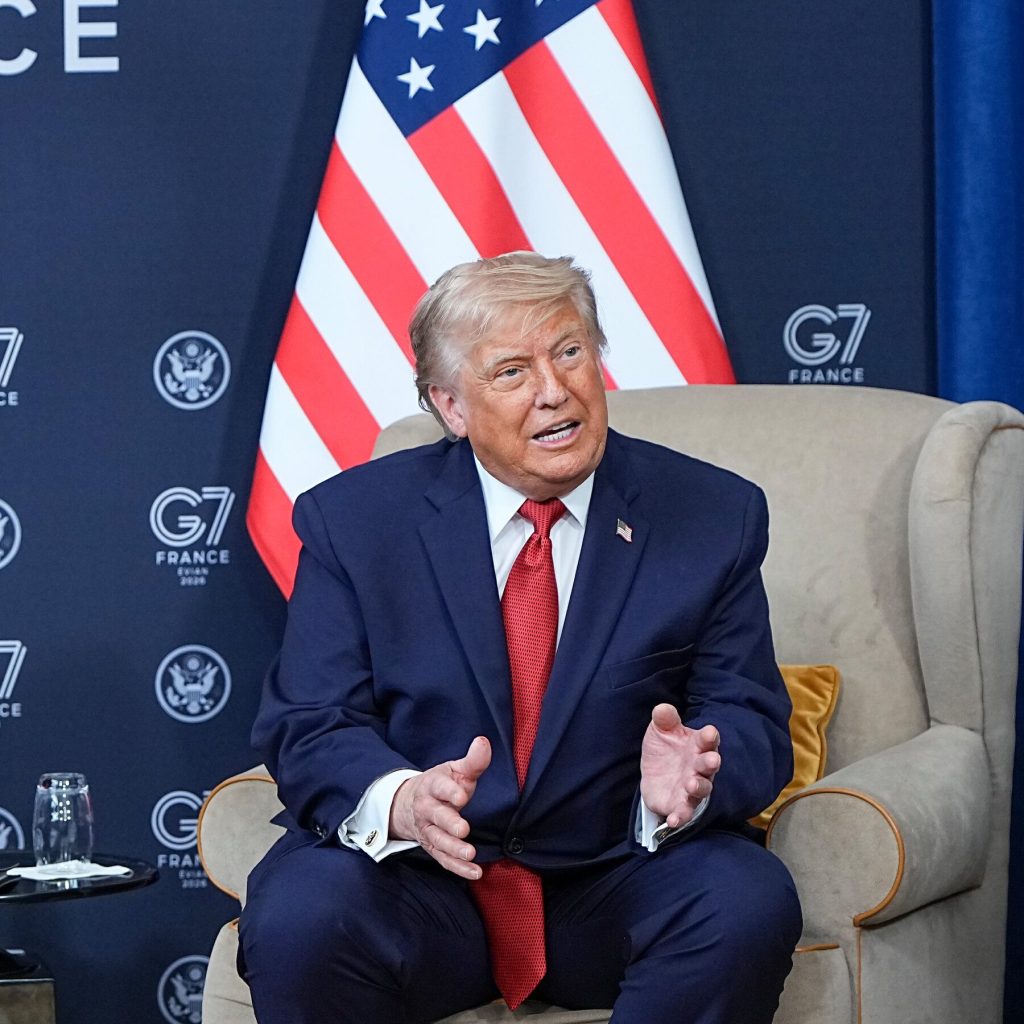
trump signs historic usiran:
U.S. President Donald Trump has formally signed the hard copy of a landmark agreement between the United States and Iran, bringing into effect a 14-point framework aimed at ending months of conflict, reopening the Strait of Hormuz, and launching negotiations toward a broader peace settlement. The agreement is being hailed as one of the most significant diplomatic developments in the Middle East in recent years, though major questions remain regarding Iran’s nuclear program, sanctions relief, and regional security.
Trump Signs Hard Copy of US-Iran Agreement: In a dramatic development that could reshape the geopolitical landscape of the Middle East, U.S. President Donald Trump has formally signed the hard copy of the United States-Iran agreement, a deal designed to halt hostilities, restore maritime commerce through the Strait of Hormuz, and establish a roadmap for future negotiations between Washington and Tehran.
The signing comes after days of intense diplomatic activity involving multiple international mediators. While initial plans called for a formal ceremony in Switzerland later this week, the agreement was finalized ahead of schedule through remote signatures and has now entered into force. A ceremonial meeting between U.S. and Iranian representatives is still expected to take place in Switzerland.
President Trump described the agreement as a turning point that could help stabilize energy markets, reduce tensions across the region, and prevent further military escalation. The White House has emphasized that the memorandum represents an interim framework rather than a final peace treaty.
A Deal Years in the Making: The agreement follows a prolonged period of military confrontation and diplomatic brinkmanship between the United States and Iran.
Relations between the two countries deteriorated sharply during the conflict that disrupted shipping routes, threatened global oil supplies, and heightened fears of a broader regional war. The closure and subsequent militarization of the Strait of Hormuz sent shockwaves through global energy markets, affecting oil prices and raising concerns among governments and businesses worldwide.
Over recent months, several rounds of indirect negotiations were conducted through international intermediaries. Pakistan played a particularly important role in facilitating dialogue between the two sides, helping bridge significant differences on security, sanctions, and maritime issues.
The breakthrough ultimately resulted in a 14-point memorandum that both governments describe as the foundation for a more comprehensive settlement.
What Is in the 14-Point Agreement?
According to details released by U.S. officials, the agreement contains several major provisions intended to reduce tensions and create conditions for a longer-term peace arrangement.
1. Immediate End to Hostilities
Both sides have agreed to halt military operations and avoid actions that could reignite conflict. The ceasefire is intended to apply across multiple fronts where tensions had escalated during the conflict.
2. Reopening the Strait of Hormuz
One of the most significant aspects of the deal is the commitment to restore freedom of navigation through the Strait of Hormuz, one of the world’s most important energy corridors. The waterway carries a substantial portion of global oil shipments, making its stability critical to international markets.
3. Sanctions Relief
The United States has agreed to initiate a process for easing sanctions and issuing waivers that would permit expanded Iranian oil exports. Frozen Iranian assets could also be gradually released under the framework.
4. Nuclear Commitments
Iran has reaffirmed that it will not pursue nuclear weapons and has agreed to cooperate with international oversight mechanisms under the International Atomic Energy Agency (IAEA). Questions regarding uranium enrichment and long-term verification measures remain subject to future negotiations.
5. Reconstruction and Economic Support
The agreement references substantial economic assistance and reconstruction support for Iran, potentially reaching hundreds of billions of dollars through international mechanisms and regional partnerships.
6. Regional Security Measures
The memorandum also addresses broader regional issues, including Lebanon and the activities of armed groups linked to Iran. The goal is to prevent regional flashpoints from undermining the peace process.
Why the Strait of Hormuz Matters
The Strait of Hormuz has been at the center of the crisis.
Located between Iran and Oman, the narrow waterway serves as a crucial gateway for oil and natural gas exports from the Persian Gulf to international markets. Any disruption can immediately affect energy prices worldwide.
The closure of the strait during the conflict led to shipping disruptions, insurance concerns, and fears of supply shortages. Analysts believe reopening the route could help stabilize global energy markets and reduce economic uncertainty.
Trump has repeatedly argued that restoring free navigation through the strait was a central objective of U.S. policy during the negotiations.
Trump Calls Deal a Major Achievement: President Trump has presented the agreement as a major diplomatic success.
The administration argues that the deal achieves several strategic objectives simultaneously: ending active hostilities, restoring shipping lanes, limiting nuclear risks, and creating an opportunity for broader regional stability.
Trump has also suggested that the agreement helped prevent a deeper global economic crisis by reopening vital energy routes and reducing uncertainty in international markets.
At the same time, the White House has stressed that the agreement is only the beginning of a more difficult process. Officials have warned that the United States retains the option of reimposing pressure or taking military action if Iran fails to comply with its commitments.
Challenges Remain: Despite the celebratory tone surrounding the signing, many analysts caution that significant obstacles remain.
Among the unresolved issues are:
- The future scope of Iran’s uranium enrichment program.
- Verification and inspection mechanisms.
- Long-term sanctions removal.
- Iran’s regional influence and relationships with allied groups.
- Security arrangements in Lebanon and neighboring countries.
- The implementation timetable for economic commitments.
Some critics argue that the agreement grants Iran substantial economic benefits before all security concerns have been resolved. Others believe the deal offers the best available path to preventing renewed conflict.
International Reaction: World leaders have broadly welcomed the breakthrough.
European governments, Gulf states, and international organizations have expressed cautious optimism that the agreement could reduce regional instability and lower the risk of further military confrontation.
Energy markets are also closely monitoring developments. The reopening of maritime routes and prospects for increased Iranian oil exports could have important implications for global supply and pricing.
The agreement establishes a 60-day negotiation period during which both sides will attempt to convert the memorandum into a comprehensive and permanent settlement. During this period, implementation mechanisms, verification systems, and additional diplomatic arrangements will be negotiated.
Diplomats involved in the process acknowledge that the hardest phase may still lie ahead. Reaching consensus on nuclear restrictions, sanctions, and regional security architecture will require sustained engagement and political commitment from both governments.
For now, however, the signing of the agreement represents a significant moment in U.S.-Iran relations and offers a rare opportunity to move from confrontation toward diplomacy.
The significance of the U.S.-Iran agreement extends beyond bilateral relations. The deal touches three of the most sensitive issues in global geopolitics—energy security, nuclear non-proliferation, and Middle East stability. If successfully implemented, it could ease pressure on global oil markets, reduce the risk of military escalation across the region, and reopen diplomatic channels that have remained largely frozen for years. However, the agreement’s ultimate success will depend on compliance, verification, and the ability of both sides to navigate deep-rooted mistrust during the critical 60-day negotiation period. The signing may be historic, but its long-term impact will be determined by what happens next.