Europe warns of Russia’s hybrid attacks but struggles to counter them
  Former chief election commissioner calls SIR scheme illegal.
  A Corruption Scandal Is Reshaping Brazil’s Presidential Election
  US citizen injured in Illinois after ICE agents mistook him for fugitive, tried to arrest him
  At 10 years old, Smithsonian’s Black museum is undaunted amid pressure from Trump administration
 China Vows Countermeasures Over Taiwan’s New Intelligence Gathering Center, Accuses Taipei of Escalating Tensions
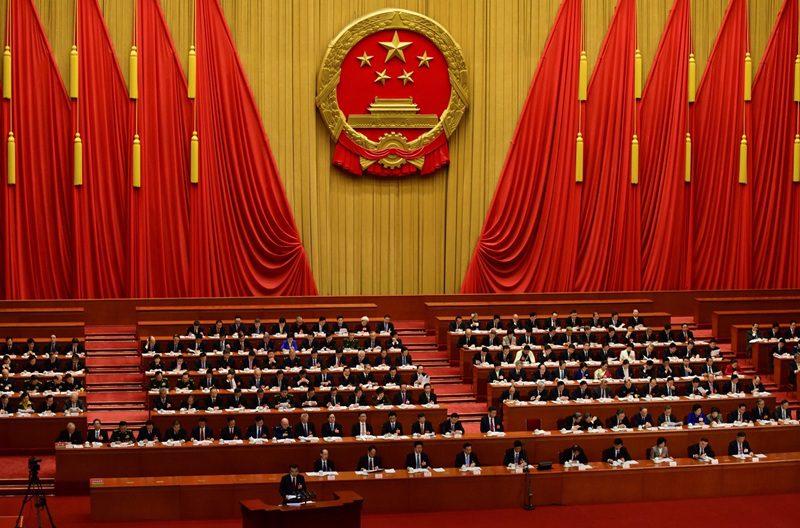
china vows countermeasures taiwans:
China has warned that it will take “necessary countermeasures” after Taiwan established a new intelligence gathering and security coordination center. Beijing accused Taipei of engaging in espionage, infiltration, and sabotage activities, claiming the move threatens cross-strait stability and further strains already tense relations between the two sides.
China Warns of Response to Taiwan’s New Intelligence Facility – China has announced that it will take countermeasures in response to Taiwan’s newly established intelligence gathering center, escalating the latest round of tensions across the Taiwan Strait.
Speaking at a regular briefing, Chen Binhua, spokesperson for China’s Taiwan Affairs Office, accused Taiwan’s authorities of engaging in activities aimed at undermining relations between Beijing and Taipei. He said the island was carrying out “intelligence theft, infiltration, and sabotage activities,” while deliberately increasing confrontation across the strait.
The remarks underscore Beijing’s growing concerns over Taiwan’s efforts to strengthen its security and intelligence capabilities amid increasing military and political pressure from mainland China.
Beijing Accuses Taiwan of Destabilizing Cross-Strait Relations: According to Chen, Taiwan’s leadership is pursuing policies that threaten regional stability and damage the prospects for peaceful relations between the two sides.
“The authorities are engaging in intelligence theft, infiltration, and sabotage activities, escalating cross-strait confrontation and undermining cross-strait relations,” Chen said.
China regards Taiwan as part of its territory and has repeatedly opposed any measures that strengthen the island’s independent defense, intelligence, or diplomatic capabilities. Beijing has also criticized what it views as increasing cooperation between Taiwan and foreign governments, particularly the United States and its allies.
Taiwan Expands Security and Intelligence Capabilities – Taiwan recently unveiled a new intelligence and security coordination facility aimed at improving its ability to monitor potential threats and strengthen national security.
Taiwanese officials have described the initiative as part of broader efforts to enhance the island’s resilience against espionage, cyberattacks, disinformation campaigns, and other security challenges.
The move comes as Taiwan faces growing military activity from China, including frequent air and naval patrols near the island. Taiwanese authorities argue that strengthening intelligence capabilities is necessary to safeguard national security and protect democratic institutions.
Rising Cross-Strait Tensions: Relations between China and Taiwan have deteriorated significantly in recent years. Beijing has intensified military exercises around the island while maintaining that reunification remains a national objective.
Taiwan, meanwhile, has sought to modernize its military, deepen security cooperation with international partners, and improve its intelligence infrastructure to address emerging threats.
The dispute over the new intelligence center reflects the broader strategic rivalry between the two sides, which has become one of the most closely watched geopolitical flashpoints in the Indo-Pacific region.
International Concerns Governments around the world continue to monitor developments in the Taiwan Strait closely due to its strategic importance and its role in global trade and semiconductor production.
The United States and several allied nations have repeatedly emphasized the importance of maintaining peace and stability in the region, while also expressing concern over rising military activity around Taiwan.
Any escalation in tensions between Beijing and Taipei could have significant implications for regional security, international commerce, and global supply chains.
China has not yet specified what form its proposed countermeasures might take. Analysts suggest Beijing could respond through diplomatic protests, military activities near Taiwan, economic measures, or additional pressure on Taiwan’s international engagement.
Taiwan has so far defended its security initiatives as legitimate measures designed to protect the island from external threats and safeguard its democratic system.
As both sides continue to exchange sharp rhetoric, the dispute highlights the persistent challenges facing cross-strait relations and the growing strategic competition in East Asia.
China’s reaction to Taiwan’s new intelligence center illustrates how security initiatives on either side of the Taiwan Strait are increasingly viewed through a lens of strategic competition. While Taiwan sees enhanced intelligence capabilities as a defensive necessity, Beijing interprets such moves as steps toward greater separation and resistance to reunification. This security dilemma—where defensive actions by one side are perceived as offensive by the other—continues to fuel mistrust and raises the risk of further tensions in one of the world’s most sensitive geopolitical hotspots.
This is a developing story. More updates will follow as new information becomes available.