 Australia Investigates OpenAI Hack on Public Health Care Site
  Tech leaders to UN: For the sake of humanity, please control the AI technology we created
  Gulf nations have found ways to keep oil flowing
  France deploys patrol fleet to curb Channel migrant crossings
  From a Nepal in Pain, a Young Leader Makes a Case for Climate Reparations
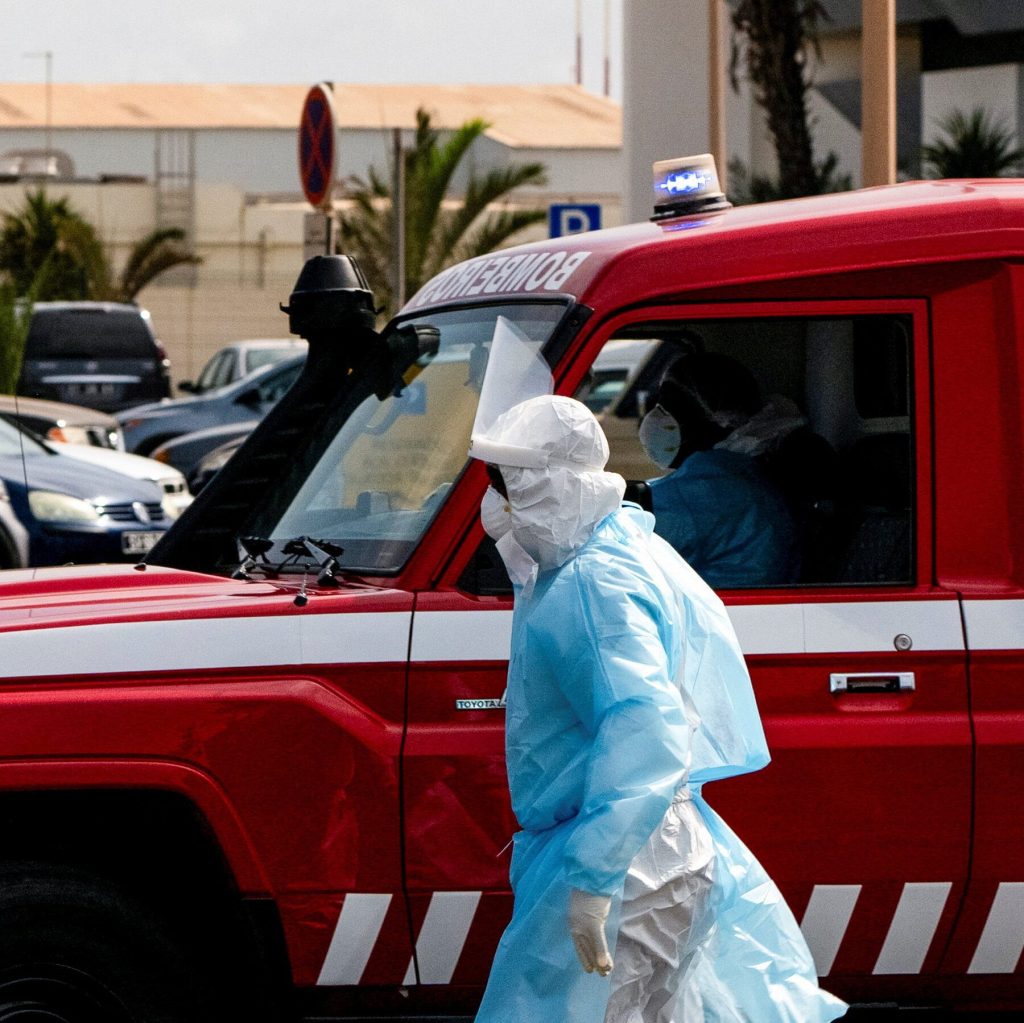
 Worldwide Race Underway to Trace Passengers From Hantavirus-Hit Cruise Ship as Global Health Alert Expands
worldwide race underway trace:
Health authorities across multiple countries are scrambling to trace passengers and crew members linked to a hantavirus outbreak aboard the expedition cruise ship MV Hondius, after the United Nations health agency confirmed at least five infections connected to the vessel. The outbreak has triggered an international public health response spanning roughly a dozen nations, raising concerns over cross-border disease monitoring and cruise ship health protocols.
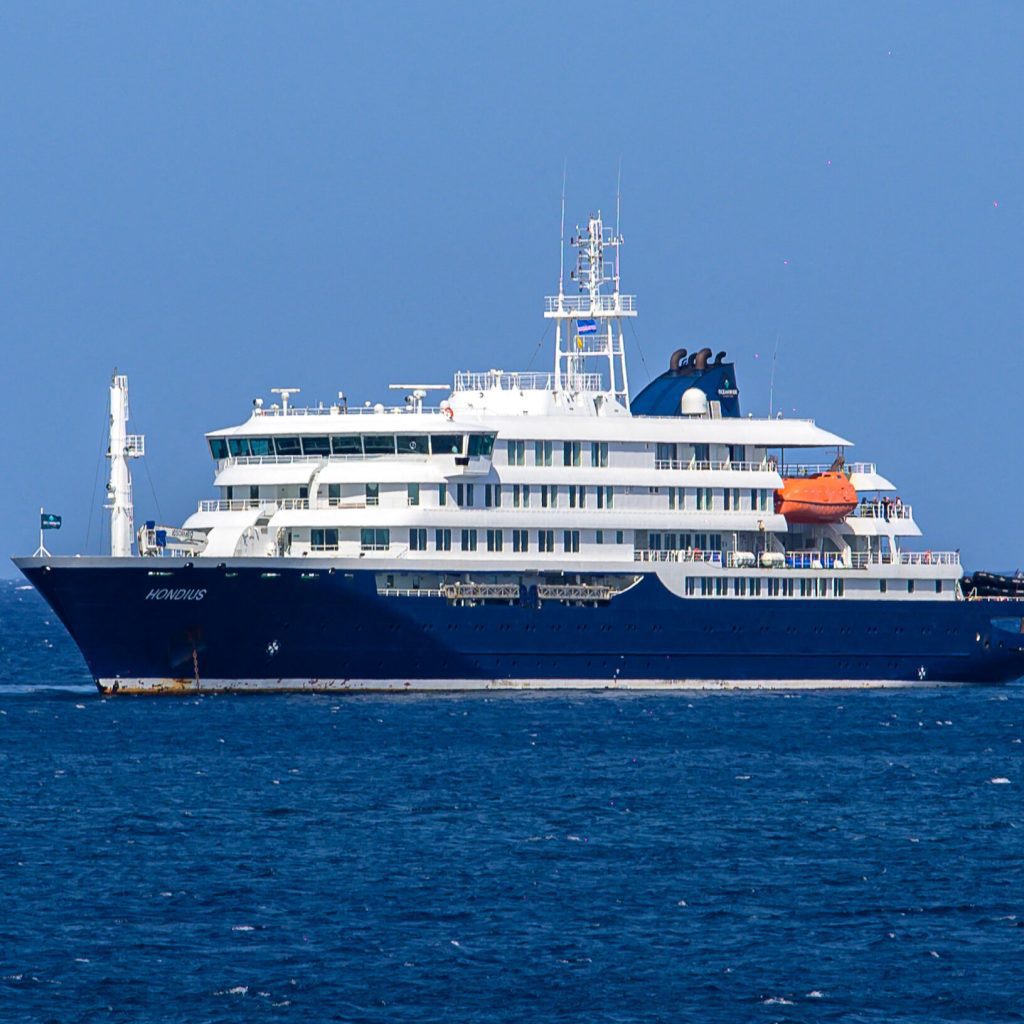
The MV Hondius, a polar expedition cruise ship known for voyages to Antarctica and remote Arctic regions, became the center of global attention after several passengers reportedly developed symptoms associated with hantavirus infection during or shortly after the voyage. Public health agencies are now working urgently to identify, contact, and monitor everyone who may have come into close contact with infected individuals.
Officials say the outbreak has already been linked to passengers or travel routes connected to at least 12 countries, highlighting how rapidly infectious disease threats can spread through international tourism networks. Epidemiologists are focusing on tracing travel histories, cabin interactions, shared dining spaces, and excursion activities undertaken during the voyage.
Death Toll and Confirmed Cases Rise
The outbreak first gained global attention after multiple passengers developed severe respiratory symptoms during the voyage. Authorities have confirmed at least three deaths linked to the outbreak, including a Dutch couple and a German national. Several additional cases remain under investigation.
The World Health Organization (WHO) said that five infections had been laboratory confirmed, while several others were considered suspected cases. One British passenger was reported to be critically ill in Johannesburg, South Africa.
Medical investigators later identified the Andes strain of hantavirus in at least one infected passenger through genetic sequencing. The finding significantly escalated international concern because most hantaviruses spread only through exposure to infected rodents, while the Andes strain has shown limited human-to-human transmission in previous outbreaks in South America.
Countries Launch Emergency Contact Tracing
Governments around the world have launched emergency efforts to identify passengers, airline contacts, hotel staff, and others who may have interacted with infected travelers after they left the ship.
Health agencies in the United States, United Kingdom, Netherlands, Canada, Singapore, Switzerland, Denmark, France, and several other countries have begun monitoring individuals connected to the cruise.
The U.S. Centers for Disease Control and Prevention (CDC) is reportedly tracking several American passengers who returned to states including California, Texas, Georgia, Arizona, and Virginia. Officials said the individuals are currently asymptomatic but remain under observation.
Dutch airline KLM also began tracing passengers and crew from a Johannesburg-bound flight after one infected traveler reportedly boarded the aircraft before falling seriously ill. A flight attendant was later hospitalized and tested as a precautionary measure.
In Ireland, Prime Minister Micheál Martin confirmed that health authorities were working actively to bring home two Irish passengers stranded on the vessel while ensuring quarantine and isolation procedures were ready upon their return.
WHO Says Public Risk Remains Low
Despite the rapid international response, the WHO has emphasized that the overall risk to the general public remains low and that the situation is not expected to develop into a COVID-style pandemic.
Experts noted that person-to-person spread of the Andes hantavirus typically requires close and prolonged contact with an infected individual. Unlike highly contagious airborne viruses, hantavirus transmission is considered relatively rare and limited.
Still, epidemiologists warned that cruise ships present unique challenges for disease control because of close living quarters, shared dining areas, and international passenger movement.
Public health officials are particularly concerned because passengers had already dispersed globally before authorities recognized the seriousness of the outbreak.
Cruise Ship Denied Docking
The MV Hondius faced additional complications after Cape Verde reportedly refused permission for passengers to disembark over fears of local transmission. The vessel remained offshore for several days while critically ill passengers were medically evacuated.
The ship has since resumed its journey toward Tenerife in Spain’s Canary Islands, where authorities are preparing strict medical supervision and quarantine procedures for passengers and crew still onboard.
At the time of the latest reports, approximately 149 people remained aboard the vessel, though officials said no widespread symptoms had been detected among the remaining passengers.
Oceanwide Expeditions, the operator of the vessel, said it was cooperating fully with international health agencies and attempting to trace all passengers and crew who had traveled on the ship since March.
What Is Hantavirus?
Hantavirus infections are rare but potentially deadly viral diseases primarily spread through exposure to rodent urine, droppings, or saliva. Symptoms often begin like the flu but can rapidly progress into severe respiratory illness and organ failure.
The Andes strain, linked to this outbreak, is mostly found in parts of South America, particularly Argentina and Chile. Scientists believe the virus may have originated during an earlier stop in Argentina before the ship began crossing the Atlantic.
The MV Hondius departed from Ushuaia, Argentina, in early April and traveled through several remote destinations during the voyage. Investigators are now examining whether any shore excursions, wildlife exposure, or contaminated environments onboard may have contributed to the outbreak.
Memories of COVID-19 Resurface
The unfolding situation has revived memories of the coronavirus pandemic, particularly because cruise ships were among the earliest hotspots during the COVID-19 outbreak in 2020.
Residents in parts of the Canary Islands reportedly expressed concern over the arrival of the vessel, fearing another high-profile quarantine scenario similar to those seen during the pandemic years.
However, infectious disease specialists insist the current outbreak is fundamentally different because hantavirus does not spread nearly as easily as COVID-19.
Experts say the aggressive international response reflects lessons learned from previous global health emergencies, where early delays in tracing contacts allowed diseases to spread more widely.
Global Monitoring Continues
Authorities continue to monitor passengers, crew members, airline contacts, and medical staff linked to the outbreak while laboratories conduct additional testing and genetic analysis.
So far, no confirmed secondary infections outside the ship have been publicly reported. Still, international agencies remain on alert due to the long incubation period associated with hantavirus infections.
Public health officials have urged anyone who traveled aboard the MV Hondius or had close contact with passengers after April 24 to report symptoms immediately and cooperate with monitoring measures.
The coming days are expected to be critical in determining whether the outbreak can be contained without further international spread.
Hospitals in several countries have reportedly been placed on alert to watch for unexplained respiratory illnesses among recent cruise travelers. Health ministries are also sharing laboratory data internationally to identify whether the infections are linked to a known hantavirus strain or potentially involve a less common variant.
The outbreak has reignited debate over health screening standards in the cruise industry, especially for expedition voyages operating in environmentally sensitive and remote regions where medical evacuation can be difficult. Critics argue that cruise operators must implement stronger disease surveillance and emergency response protocols for passengers traveling in isolated environments.
Tourism analysts say the situation could temporarily affect demand for expedition cruises, particularly among older travelers who may face higher health risks. However, industry experts caution against panic, emphasizing that hantavirus outbreaks remain rare and that transmission dynamics differ substantially from highly contagious airborne viruses.
For now, the priority for global health authorities remains locating passengers, identifying additional cases, and determining the exact source of exposure before the outbreak expands further. With travelers scattered across numerous countries, the coming days are expected to be critical in assessing whether the incident remains limited or develops into a broader international health concern.