Europe warns of Russia’s hybrid attacks but struggles to counter them
  Former chief election commissioner calls SIR scheme illegal.
  A Corruption Scandal Is Reshaping Brazil’s Presidential Election
  US citizen injured in Illinois after ICE agents mistook him for fugitive, tried to arrest him
  At 10 years old, Smithsonian’s Black museum is undaunted amid pressure from Trump administration
 Israeli government passes laws reducing judiciary’s power
The Israeli government has sparked controversy by passing laws aimed at reducing the power of the judiciary and limiting media freedom, sparking widespread criticism and concerns about the erosion of democratic norms and the potential for abuse of power, with the international community expressing concern about the direction of Israeli politics.
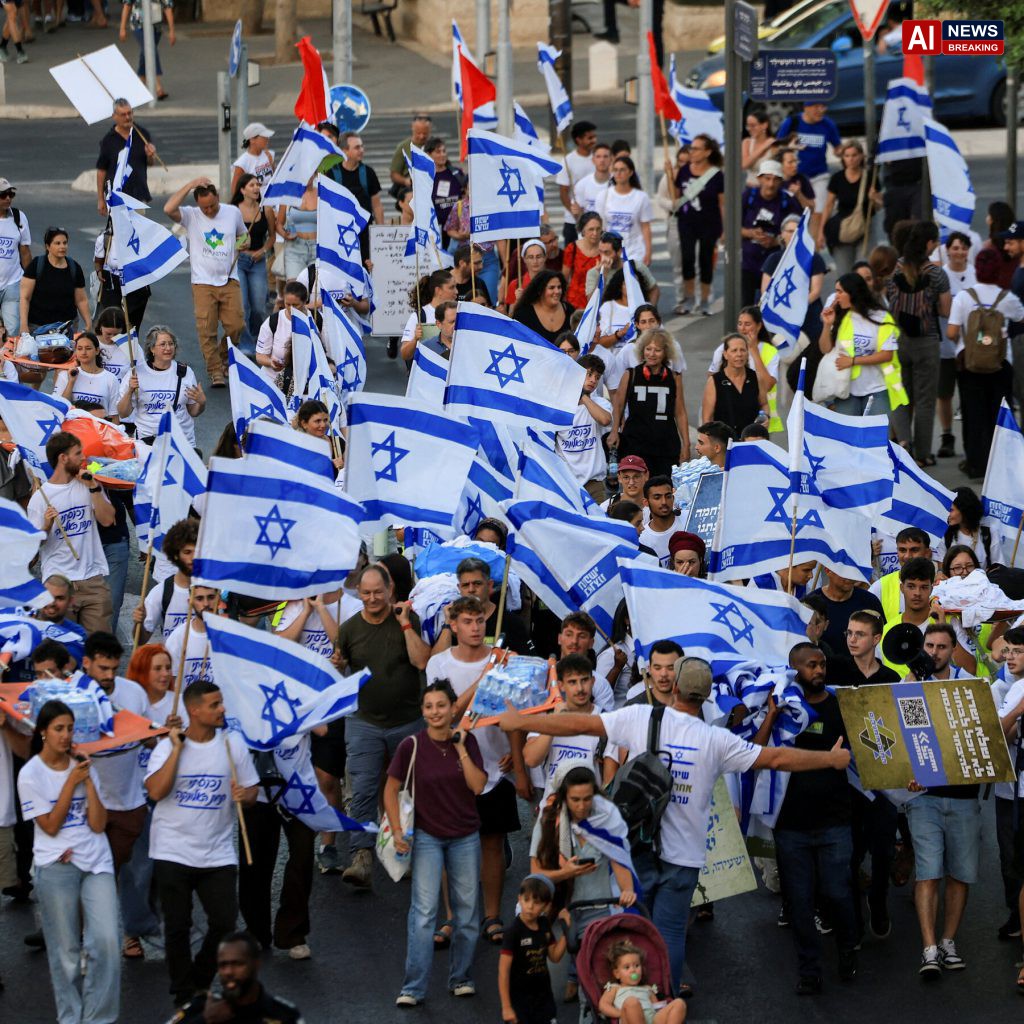
Israeli government passes laws reducing judiciary's power - AI News Breaking
The Israeli government has sparked controversy by pushing through a series of divisive laws ahead of the upcoming election. Prime Minister Benjamin Netanyahu has backed these measures, which critics argue undermine legal oversight of the government. The laws are seen as an attempt to consolidate power and shore up support among key constituencies..
This move has sparked widespread criticism from opposition parties and civil society groups. The laws in question aim to reduce the power of the judiciary and limit the ability of the media to hold the government accountable. This has raised concerns about the erosion of democratic norms and the potential for abuse of power..
Netanyahu’s allies argue that the measures are necessary to prevent excessive judicial interference in government affairs. However, opponents see this as a blatant attempt to undermine the checks and balances that underpin Israeli democracy. One of the key laws passed by the government benefits allied media outlets, which are seen as being closely tied to the ruling party..
These outlets will receive significant funding and support, leading to accusations of propaganda and bias. Critics argue that this will further polarize the Israeli media landscape and undermine the ability of independent journalists to hold the government accountable. The move has sparked widespread condemnation from media watchdogs and press freedom organizations..
The government has also made a concerted effort to shore up support among ultra-Orthodox political groups. These groups have long been a key constituency for Netanyahu’s ruling party, and the government has passed laws aimed at catering to their interests. This includes measures to increase funding for ultra-Orthodox schools and institutions, as well as laws that exempt ultra-Orthodox men from military service..
Critics argue that these measures are unfair and undermine the principle of equality before the law. The opposition has vowed to fight these laws and has accused the government of engaging in a blatant power grab. They argue that the measures are designed to undermine the independence of the judiciary and limit the ability of the media to hold the government accountable..
The opposition has also accused the government of trying to buy the support of ultra-Orthodox groups with taxpayer-funded handouts. This has sparked a heated debate about the role of religion in Israeli politics. The international community has also expressed concern about the direction of Israeli politics..
The European Union and other Western countries have long been critical of Israel’s treatment of Palestinians and its settlement policies. The passage of these laws has sparked further criticism, with many arguing that they undermine the rule of law and democratic principles. The Israeli government has dismissed these concerns, arguing that it is simply trying to protect its national interests..
The laws have also sparked a heated debate within Israeli society. Many Israelis are deeply concerned about the erosion of democratic norms and the potential for abuse of power. They argue that the government’s actions are a threat to the very foundations of Israeli democracy..
Others, however, see the measures as necessary to protect the country from external threats and internal subversion. This has sparked a polarized debate about the future of Israeli politics. The government’s move has also sparked a backlash from civil society groups, who argue that the laws undermine the principles of equality and justice..
These groups have vowed to challenge the laws in court and to mobilize public opinion against them. They argue that the measures are a threat to the very fabric of Israeli society and that they must be resisted at all costs. This has sparked a wave of protests and demonstrations across the country..
The election campaign is likely to be dominated by debates about these laws and their implications for Israeli democracy. The opposition will likely make the issue a central plank of its campaign, arguing that the government’s actions are a threat to the country’s democratic values. The ruling party, on the other hand, will argue that the measures are necessary to protect national security and promote economic growth..
This has set the stage for a highly polarized and contentious election campaign. The outcome of the election is far from certain, and it remains to be seen how the Israeli public will respond to the government’s actions. However, one thing is clear: the laws have sparked a deep crisis of confidence in Israeli democracy..
Many Israelis are questioning the government’s commitment to democratic principles and the rule of law. This has sparked a wider debate about the future of Israeli politics and the need for constitutional reform. The international community will be watching the election campaign closely, with many countries expressing concern about the direction of Israeli politics..
The EU and other Western countries have long been critical of Israel’s human rights record, and the passage of these laws has sparked further criticism. The Israeli government will need to navigate this complex diplomatic landscape, all while trying to win over a skeptical public. As the election campaign heats up, it remains to be seen how the Israeli public will respond to the government’s divisive laws..
Will the opposition be able to capitalize on public discontent and win power, or will the ruling party manage to shore up its support and retain office? One thing is certain, however: the outcome of the election will have far-reaching implications for the future of Israeli democracy and the country’s place in the world. The future of Israeli democracy hangs in the balance, and the world is watching with bated breath..
The government’s actions have sparked a crisis of confidence in the country’s institutions, and it remains to be seen how the situation will unfold. As the election campaign reaches its climax, all eyes will be on Israel, waiting to see what the future holds for this deeply divided and intensely polarized country..
The erosion of democratic norms in Israel has far-reaching implications for the country’s ability to maintain a delicate balance between national security and individual freedoms, potentially threatening its reputation as a beacon of democracy in the region. The international community’s response to the outcome of the election will be crucial in determining whether Israel’s actions will be met with diplomatic isolation or continued support, with significant consequences for the country’s relationships with Western countries and its influence in global affairs.