Europe warns of Russia’s hybrid attacks but struggles to counter them
  Former chief election commissioner calls SIR scheme illegal.
  A Corruption Scandal Is Reshaping Brazil’s Presidential Election
  US citizen injured in Illinois after ICE agents mistook him for fugitive, tried to arrest him
  At 10 years old, Smithsonian’s Black museum is undaunted amid pressure from Trump administration
 India aims for 100bn textile exports
** India’s textile industry is poised for significant growth as it shifts towards sustainable and digitally driven practices, aiming to reach $100 billion in exports by 2025, with a focus on building capabilities that cater to global buyers’ evolving needs, including sustainability, digitalization, and quality.
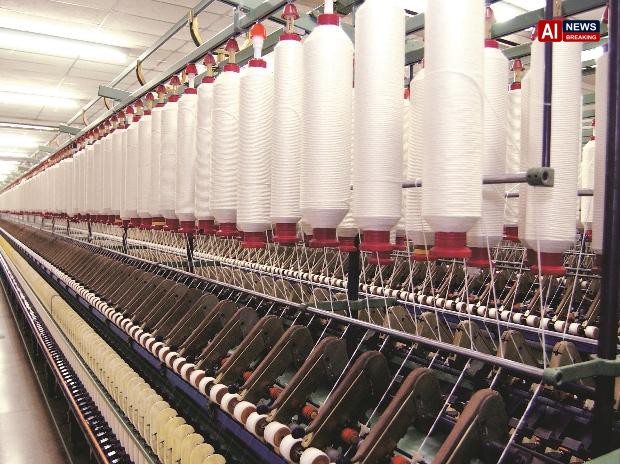
India aims for 100bn textile exports - AI News Breaking
india aims 100bn textile:
The Clothing Manufacturers Association of India has stated that a cost to capability shift is essential for the country to achieve its target of $100 billion in textile exports. This comes as the industry faces increasing pressure to adopt sustainable and digitally driven practices. According to a recent report, India’s textile export growth will be driven by improvements in sustainability and digitalisation rather than just an expansion of manufacturing capacity..
The report highlights the need for manufacturers to move away from traditional cost-driven approaches and focus on building capabilities that cater to the evolving needs of global buyers. The textile industry is one of India’s largest employers and exports, with the government setting ambitious targets for growth in the sector. However, the industry faces significant challenges, including rising competition from other countries and increasing demands from buyers for sustainable and digitally driven practices..
The report suggests that Indian manufacturers must invest in new technologies and practices to remain competitive and meet the growing demands of global buyers. This includes adopting sustainable materials and production methods, as well as investing in digital technologies such as artificial intelligence and blockchain. The Clothing Manufacturers Association of India has warned that the industry’s traditional focus on low-cost manufacturing will no longer be sufficient to drive growth and achieve the government’s export targets..
Instead, manufacturers must focus on building capabilities that cater to the evolving needs of global buyers, including sustainability, digitalisation, and quality. The report highlights the need for a shift in mindset among manufacturers, from a focus on cost to a focus on capability. This requires significant investment in new technologies and practices, as well as a willingness to adapt to changing market conditions..
The Indian government has set a target of $100 billion in textile exports by 2025, which will require significant growth in the sector. The industry has grown in recent years, driven by government initiatives such as the Production-Linked Incentive scheme and the Simplified Tax Compliance regime. However, the report suggests that further growth will depend on the industry’s ability to adopt sustainable and digitally driven practices..
The government has announced several initiatives to support the industry, including investment in new technologies and training programs for manufacturers. The report highlights the importance of sustainability in driving growth in the textile industry. Global buyers are increasingly demanding sustainable materials and production methods, and Indian manufacturers must invest in these areas to remain competitive..
This includes adopting sustainable materials, reducing waste and emissions, and implementing sustainable production methods. The report suggests that manufacturers who fail to adopt sustainable practices will struggle to remain competitive in the global market. The industry must also address concerns around social sustainability, including workers’ rights and fair labor practices..
Digitalisation is also a key driver of growth in the textile industry, with global buyers demanding greater transparency and efficiency in supply chains. Indian manufacturers must invest in digital technologies such as artificial intelligence, blockchain, and the Internet of Things to remain competitive. The report highlights the need for manufacturers to adopt digital technologies that can improve supply chain efficiency, reduce costs, and enhance transparency..
This includes investing in digital platforms that can connect buyers and suppliers, as well as adopting technologies that can track production and shipping. The Clothing Manufacturers Association of India has called on the government to provide support for manufacturers investing in sustainable and digitally driven practices. The report suggests that the government should provide incentives for manufacturers who adopt sustainable materials and production methods, as well as investing in digital technologies..
The government has announced several initiatives to support the industry, including investment in new technologies and training programs for manufacturers. However, the report suggests that further support is needed to drive growth and achieve the government’s export targets. The Indian textile industry is highly fragmented, with many small and medium-sized manufacturers struggling to adopt sustainable and digitally driven practices..
The report suggests that these manufacturers will require significant support to invest in new technologies and practices, including training and financing initiatives. The government has announced several initiatives to support small and medium-sized manufacturers, including investment in new technologies and training programs. However, the report suggests that further support is needed to drive growth and achieve the government’s export targets..
The Clothing Manufacturers Association of India has warned that the industry faces significant challenges in achieving the government’s export targets. The report highlights the need for a shift in mindset among manufacturers, from a focus on cost to a focus on capability. This requires significant investment in new technologies and practices, as well as a willingness to adapt to changing market conditions..
The report suggests that manufacturers who fail to adopt sustainable and digitally driven practices will struggle to remain competitive in the global market. The Indian government has set ambitious targets for growth in the textile industry, with the sector expected to play a key role in driving economic growth. The report suggests that achieving these targets will depend on the industry’s ability to adopt sustainable and digitally driven practices, including improvements in sustainability, digitalisation, and quality..
The Clothing Manufacturers Association of India has called on the government to provide further support for manufacturers investing in these areas, including incentives and financing initiatives. The industry must work together to drive growth and achieve the government’s export targets..
Updated: July 16, 2026
India’s textile industry faces a shift towards more sustainable and digitally driven practices to meet government-set targets. Manufacturers must invest in new technologies and adapt to changing market conditions to remain competitive in the global market.
Insight: As the textile industry undergoes a seismic shift from cost to capability, its ability to adapt to evolving global demands will ultimately dictate India’s success in achieving its ambitious export targets. The interplay between sustainability, digitalization, and quality will be crucial in determining the industry’s competitiveness, and failure to navigate this complex landscape may jeopardize the country’s economic growth aspirations.