 Trying to establish ‘facts’ about incident ‘apparently’ involving Indians on yacht off Yemen coast: India
  Powerful Earthquake in Tibet Kills at Least 16
  How Pastors Mobilize Communities in Congo’s Fight Against Ebola
  Gadi Eisenkot
 Delhi Electoral Rolls: 67% Digitized as Deadline Approaches
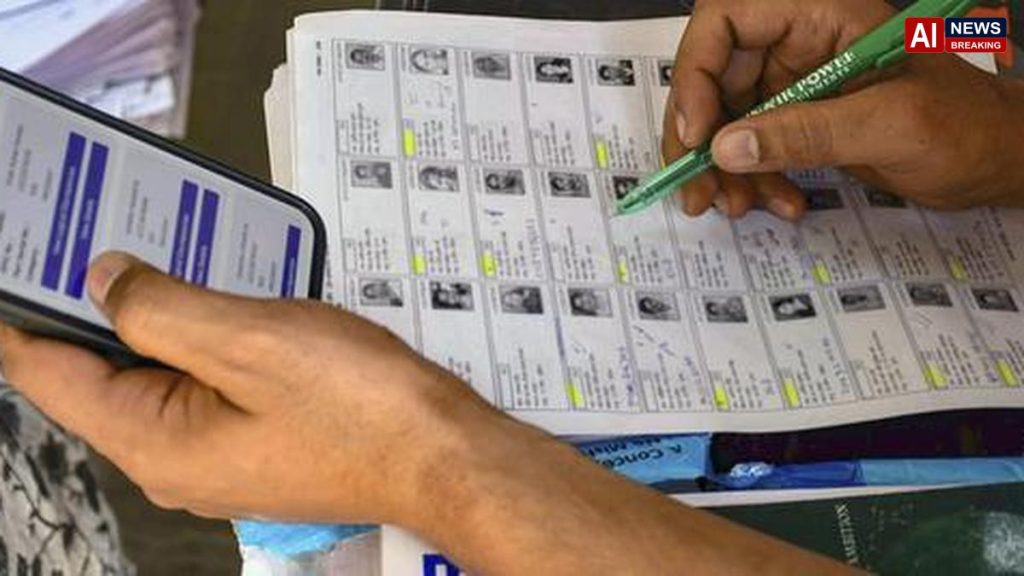
Delhi Electoral Rolls: 67% Digitized as Deadline Approaches - AI News Breaking
delhi electoral rolls digitized:
The bustling streets of New Delhi are currently echoing with a urgent civic concern as millions of residents await the finalization of electoral rolls. This critical administrative process determines who gets a voice in the upcoming democratic exercises, making it a matter of profound national importance. With the deadline approaching rapidly, families and communities are scrambling to verify their details before the gates close permanently..
The tension is palpable in neighborhoods where elders worry about losing their right to participate in the democratic process they helped build. According to the latest official status report issued by the Delhi Chief Electoral Officer’s office, significant progress has been made, yet challenges remain. As many as 97.20 lakh enumeration forms have been successfully digitised until Monday morning..
This figure represents 66.99 per cent of the total 1,45,10,299 registered electors in the national capital territory. While these numbers indicate substantial effort, they also highlight a worrying gap that could exclude nearly one-third of the population from the draft rolls soon. The primary reason for this potential exclusion lies in the complex nature of urban migration and housing dynamics in Delhi..
Many residents live in rented accommodations or shifting slums where identity documents often do not match current addresses. Electoral officials require strict proof of residence, which many informal workers cannot provide easily. This bureaucratic hurdle creates a divide between the wealthy who possess proper documentation and the marginalized who lack such essential proofs of existence within the formal system..
Voters in areas like Seemapuri and Shahadara report facing repeated rejections due to discrepancies in Aadhaar card data. These mismatches are common because many people have moved multiple times without updating their primary identification numbers. The electoral system relies heavily on these static documents, creating a friction point for those living in transient conditions..
For many daily wage earners, this means their political future hangs in the balance due to administrative technicalities rather than a lack of civic interest. The Chief Electoral Officer has urged all citizens to visit their nearest post office or designated centers immediately. Officials are working round the clock to process applications, but the sheer volume of pending files remains daunting..
Public awareness campaigns have been intensified to inform people about the necessary documents. However, reaching the most vulnerable demographics in informal settlements remains a logistical nightmare for officials trying to ensure universal suffrage. Critics argue that the digitization timeline is overly ambitious given the ground realities in crowded urban centers..
They suggest that the government underestimated the difficulties faced by the poor in obtaining required documents. Human rights activists have warned that this could lead to significant disenfranchisement among marginalized communities. The election commission maintains that the process is transparent, but skeptics point out that transparency does not always equal accessibility for those living on the fringes of society..
In suburban areas such as Noida Extension and Dwarka Satya Niketan, long queues were visible at registration centers. People spent hours waiting in the sun just to speak with a clerk for ten minutes. The frustration was evident on their faces as they handed over stacks of paper..
Despite the heat and discomfort, citizens remained determined to secure their place in the electoral rolls, viewing it as a fundamental right that must be defended against bureaucratic inertia. Lawyers practicing in Delhi courts have expressed concern that this exclusion could lead to legal battles. They argue that the right to vote is non-negotiable under Indian constitutional law..
If a significant portion of the electorate is arbitrarily removed, the legitimacy of future elections could be questioned in higher courts. Legal experts suggest that preventive measures should have been taken earlier to avoid such a chaotic scenario during the final stretch of the registration period. Social media platforms are buzzing with complaints from citizens who have been unable to verify their details..
Many users share screenshots of error messages received when attempting online verification. The digital divide is another factor complicating matters for elderly voters who are not tech-savvy. Without family members to assist them, many seniors find themselves stranded in a system increasingly designed for smartphone users, leaving them feeling forgotten and powerless in face of modern governance..
Youth groups and student unions have organized rallies to demand a extension of the deadline for applying corrections. They argue that the current timeline is punitive for first-time voters who are still adjusting to adulthood responsibilities. University campuses have become hubs of activity, with volunteers helping peers fill out forms correctly..
This grassroots movement reflects a growing political consciousness among the young, who refuse to let administrative errors silence their burgeoning voices in the democratic arena. The government has set up helplines to address grievances, but call drop rates remain high. Citizens report waiting for hours on hold without reaching a human agent..
This lack of responsive support adds to the anxiety surrounding the roll preparation. Experts suggest that more sophisticated customer service mechanisms should have been implemented. The failure to manage high call volumes indicates a lack of preparedness for the scale of public engagement during this crucial election phase..
As the draft rolls are set to be published next week, the race against time intensifies. Electoral officers are urging calm, but the situation remains volatile. Millions of Delhites are watching this closely, knowing their political future depends on it..
The outcome will be a testament to the efficiency of democratic institutions in a rapidly changing urban landscape. All eyes are now on the office, waiting to see if justice can be served through timely administrative action. This crisis highlights the delicate balance between administrative efficiency and inclusive democratic participation in a megacity..
While technology aims to streamline processes, it often overlooks the human element of connectivity and accessibility. The success of democracy relies not just on numbers, but on ensuring every voice is heard. As Delhi faces this challenge, other cities watch closely, hoping to learn from these mistakes and prevent similar disenfranchisement in their own upcoming electoral exercises nationwide..
Updated: August 18, 2026
Rigid digitization standards risk systematically disenfranchising the urban poor and elderly, replacing bureaucratic inefficiency with digital exclusion. This administrative rigidity threatens to undermine the legitimacy of future elections by stripping marginalized voters of their constitutional right to participate.