 A dry spell for the folk
 Somali American Uber driver attacked near Minneapolis has died
 Freed From a Notorious Syrian Prison, but Still Trapped by Its Terror
 BJP slaps ‘anti-women’ label on Rahul Gandhi, Congress
 Moving bike, one-handed catch: Pakistani man wins Rs 10,000 cash prize
A dry spell for the folk
**
A dry spell for the folk - AI News Breaking
spell folk:
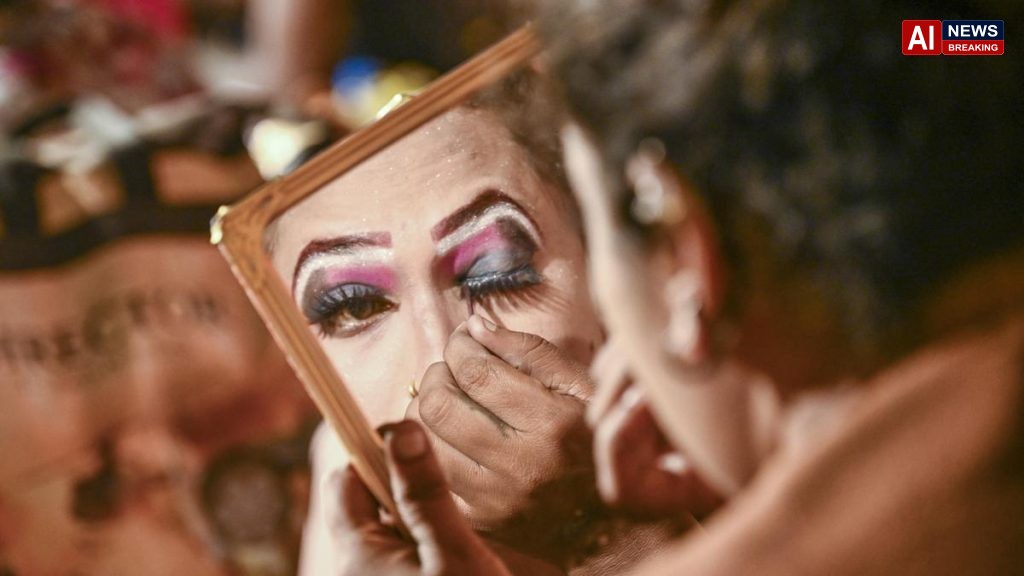
Maharashtra’s tent‑marqueed Tamasha troupes, once the vibrant heartbeat of the state’s rural entertainment circuit, are now confronting a perfect storm of drought, soaring inflation and a steady decline in audiences. The convergence of these pressures has driven many companies to the brink of collapse, leaving thousands of performers, musicians, technicians and support staff scrambling to keep a centuries‑old tradition alive while seeking urgent assistance from the government.The monsoon season, traditionally the lifeblood of the region’s agrarian economy, has failed to arrive in full force for the third consecutive year. In districts such as Ahmednagar, Pune and Satara, crop failures have left farmers with diminished incomes, curtailing their ability to spend on leisure activities that were once a staple of post‑harvest celebrations..
As a result, village fairs and seasonal gatherings – the primary venues where Tamasha troupes set up their canvas‑topped stages – have seen a sharp drop in ticket sales. “We used to fill the tents with families celebrating the harvest,” says Ramesh Patil, a veteran vocalist who has toured with the Saptashrungi troupe for over two decades. “Now, even the smallest villages can’t afford to bring the crowd together.”Compounding the loss of patronage is the relentless rise in the cost of living..
Inflation, driven by soaring fuel prices and food shortages, has eroded the purchasing power of both audiences and performers. For itinerant troupes that travel hundreds of kilometres each month, the price of diesel alone has risen by nearly 40 per cent since 2022, inflating transport and logistics expenses. “Our van used to run on a full tank for a week’s tour; now we can barely cover a single town,” remarks Sunita Deshmukh, a costume maker who supplies elaborate traditional attire to five different troupes..
“When we have to spend more on fuel, we have less to pay the singers, dancers and the crew.”The financial strain is evident in the dwindling size of the ensembles. Where a typical troupe might have fielded 30 to 40 members – including actors, musicians, makeup artists and stagehands – many have been forced to downsize to a skeletal core of ten or fewer. This reduction not only threatens the quality and dynamism of performances but also jeopardises the transmission of skills that have been passed down through generations..
Young aspirants, once eager to apprentice under seasoned masters, now find fewer opportunities for hands‑on training, prompting many to abandon the art form altogether.In response to the crisis, performers have turned to alternative revenue streams, albeit with limited success. Some troupes have embraced digital platforms, streaming short clips of their acts on social media in the hope of attracting virtual donations. Others have diversified by offering workshops on folk music, dance and costume design to schoolchildren and cultural clubs..
However, the reach of these initiatives remains constrained by the digital divide in rural Maharashtra, where internet connectivity is sporadic and many potential audiences lack the devices needed to engage online.The state government has acknowledged the plight of the Tamasha community, but critics argue that the measures announced so far are insufficient. In March, the Ministry of Culture unveiled a grant scheme offering a one‑time financial aid of ₹50,000 to registered folk groups. While welcomed as a gesture of goodwill, the amount falls far short of covering the operating costs of a typical touring troupe, which can exceed ₹2 million during a six‑month circuit..
Moreover, the application process, requiring extensive documentation and proof of prior earnings, has excluded many informal groups that operate without formal registration.Advocacy groups are urging a more comprehensive approach, calling for subsidised fuel, dedicated performance spaces and a revival of the state‑sponsored folk festivals that once provided steady income for performers. “We need a sustainable ecosystem, not ad‑hoc handouts,” says Anjali Rao, chairperson of the Maharashtra Folk Artists Association. “If the government truly values this cultural heritage, it must invest in infrastructure and create market avenues that allow these artists to thrive.”Local authorities in several districts have taken modest steps to mitigate the crisis..
In Sangli, the district collector announced a temporary suspension of performance fees for municipal fairs, allowing troupes to showcase their art free of charge. In Kolhapur, a pilot programme offers diesel vouchers to registered folk groups, easing the burden of transport costs. These initiatives, while limited in scope, have provided a lifeline for a handful of troupes, enabling them to stage shows that attract modest crowds and generate a trickle of income.The future of Tamasha hangs in a delicate balance..
Its survival depends not only on immediate financial relief but also on broader socio‑economic factors that influence rural livelihoods. As drought conditions persist and inflation shows no sign of abating, the traditional tent theatres risk becoming relics of a bygone era. Yet, the resilience of the artists, their deep-rooted connection to community narratives and the enduring appeal of their music and comedy suggest that, with the right support, the art form could adapt and endure.For the thousands who make their living on these canvas stages, the stakes are personal and profound..
“My father sang in a Tamasha troupe for forty years,” says Shankar Joshi, a percussionist who now supplements his income with odd jobs. “It is more than a job; it is our identity. If we lose this, we lose a part of who we are.” As the monsoon clouds gather on the horizon, the hope among Maharashtra’s folk artists is that the next rainfall will bring not only water for the fields but also the revitalised patronage needed to keep their centuries‑old tradition alive..
Updated: November 29, 2026