 Pentagon directive bans troops from using nonpublic info to bet in prediction markets
  Plaintiffs in Trump arch project seek injunction to stop administration from beginning work Nov. 5
  Trump says he ‘heard something about’ Justice Department probe into longtime ally Corey Lewandowski
  Trump administration stopped sharing evidence in Good and Pretti killings, Minnesota officials say
 Black Sea conflict disrupts Black Sea grain exports
The Black Sea, once a lifeline for world agriculture, has become a war zone as Russia and Ukraine intensify drone strikes, missile attacks, and naval mining. With the UN‑brokered grain deal collapsed, grain shipments are plummeting, insurance costs are soaring, and food‑insecure nations in Africa and the Middle East face soaring wheat prices and looming famine.
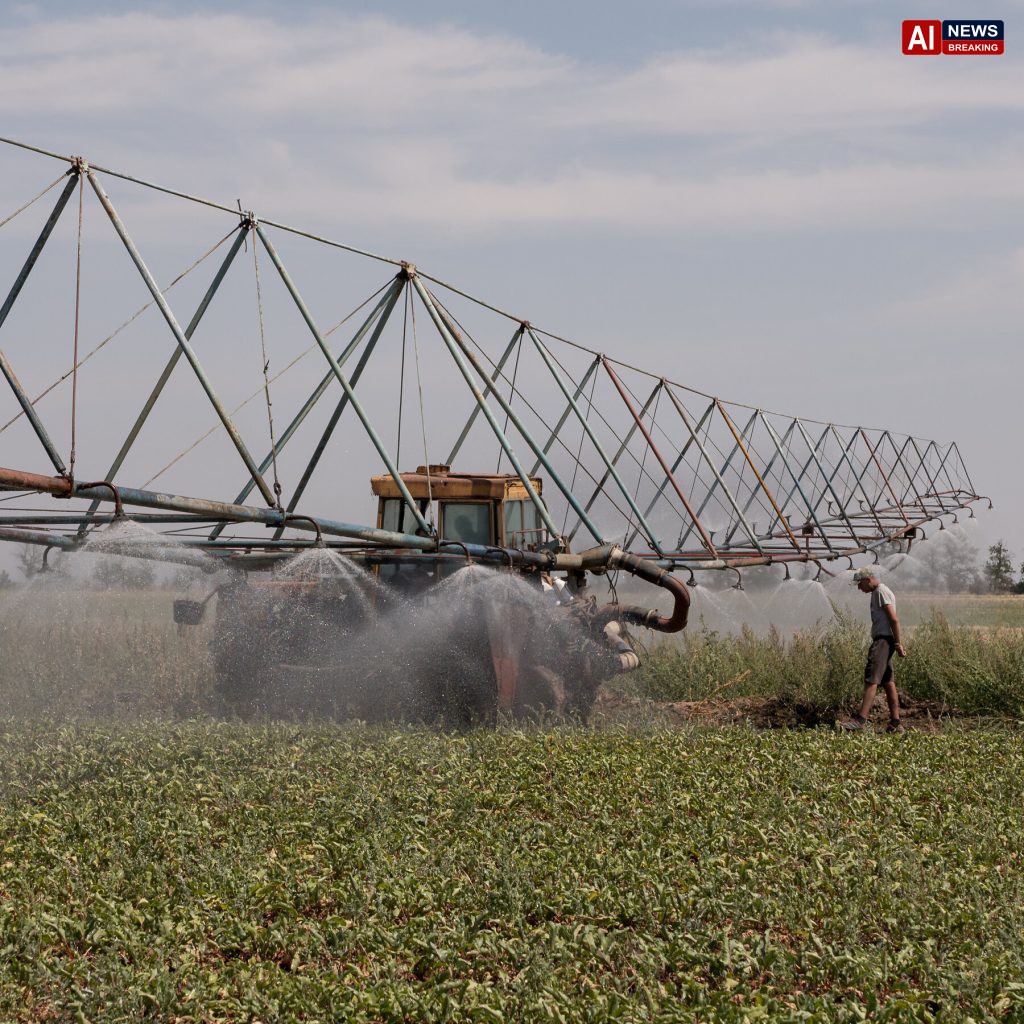
Attacks in Black Sea Threaten to Strangle Global Grain Supply - AI News Breaking
black conflict disrupts black:
The Black Sea, once a vital artery for global agricultural commerce, has transformed into a theater of war that threatens to disrupt one of the most critical supply chains in the modern world. For more than three years, the conflict between Russia and Ukraine has spilled beyond land borders, turning these waters into a hazardous zone where commercial shipping faces unpredictable and lethal risks. As both Moscow and Kyiv escalate their use of long-range drones, cruise missiles, and naval mines, the security of grain exports is increasingly compromised, raising fears among economists and humanitarian agencies that a new global food crisis may be imminent.The strategic importance of these waters cannot be overstated..
Before the full-scale invasion in February 2022, Ukraine and Russia were responsible for approximately thirty percent of the world’s wheat exports and nearly half of its sunflower oil. The Black Sea Grain Initiative, a UN-brokered deal that allowed grain to leave Ukrainian ports safely, collapsed in July 2023, leaving the region in a state of precarious uncertainty. Without a formal agreement, both nations have continued to target each other’s maritime infrastructure, creating an environment where the safety of cargo vessels is no longer guaranteed by international law, but by the whims of ongoing military operations.Recent months have seen a marked intensification of attacks on port facilities..
In Odessa, Ukraine’s primary grain hub, shelling and drone strikes have repeatedly damaged storage silos and loading equipment. These are not merely tactical blows in a military campaign; they are direct assaults on the logistical capacity required to feed billions. When a silo is destroyed, it is not just a building that burns, but months of cultivated crops that vanish into ash..
For Ukrainian farmers, the destruction of their harvest before it can leave the country represents not only a massive financial loss but also a humanitarian crisis for rural communities that depend on agriculture for their survival.On the Russian side, the Kremlin has similarly targeted infrastructure, though its strategy has focused more on controlling chokepoints and intimidating shipping lanes. By deploying naval minefields and conducting surveillance operations close to Ukrainian shores, Russian forces have effectively narrowed the safe corridors available to commercial vessels. Insurance premiums for ships navigating these waters have skyrocketed, with some insurers refusing coverage altogether..
This financial barrier acts as a de facto blockade, deterring private companies from attempting to transport grain even when physical passages remain open. The result is a steady decline in export volumes, exacerbating the supply deficits that already plague many import-dependent nations.The human cost of this disruption is most visible in the developing world, where countries in Africa and the Middle East rely heavily on affordable grain from the Black Sea region. Nations such as Egypt, Lebanon, and Somalia have long depended on Ukrainian wheat and Russian barley to stabilize their domestic food prices..
As supply becomes unpredictable, prices in global markets tend to spike, fueling inflation and social unrest. The World Food Programme has repeatedly warned that any significant reduction in Black Sea exports could lead to increased hunger and instability in fragile states, potentially reversing years of progress in food security efforts.Ukrainian farmers are currently facing a dilemma that has never been encountered in modern agricultural history. They are planting crops in fields under active bombardment, knowing that their livelihoods hang in the balance of a conflict they did not start..
Without reliable access to export markets, many are forced to store their produce in unsafe conditions or sell it domestically at depressed prices. This surplus in local markets drives down incomes for producers, while the lack of export revenue undermines the broader Ukrainian economy, which is already strained by the costs of war. The psychological toll on these communities is immense, as they watch their ancestral lands burn and their future harvests vanish without reaching the buyers who would pay for them.Russia, as the other side of this equation, is also feeling the pressure, though in different ways..
Western sanctions have complicated its access to global financial systems and fertilizer markets, which are essential for maintaining high agricultural yields. While Russia remains a major exporter, the inefficiencies caused by sanctions and the need to reroute shipments through more expensive and longer logistics chains have increased the cost of production. Furthermore, the ongoing conflict has drawn international scrutiny, making some buyers hesitant to engage with Russian agricultural products due to ethical concerns or secondary sanction risks..
This isolation forces Moscow to seek alternative markets, often in Asia and the Middle East, but at a premium that may not be sustainable in the long term.The international community has struggled to find a viable solution to the shipping crisis. The European Union has attempted to create alternative land corridors, known as Solidarity Lanes, to replace the lost sea routes. While these land crossings through Poland, Romania, and Hungary have facilitated some exports, they are costly and capacity-limited..
Transporting grain by rail or truck across land borders is significantly more expensive than sea freight, which translates into higher prices for consumers and reduced competitiveness for Ukrainian farmers. These alternative routes are a necessary stopgap, but they cannot match the volume or efficiency of maritime transport, leaving a significant gap in global supply.Naval safety remains a paramount concern for the international shipping industry. The use of sea mines and unexploded ordnance in the Black Sea has created a deadly landscape for merchant vessels..
Several commercial ships have been struck, damaged, or detained in recent months, leading to widespread anxiety among shipping companies. Even when vessels are not directly targeted, the mere threat of attack forces them to take longer, more circuitous routes, increasing fuel consumption and transit times. This inefficiency adds to the overall cost of food production and distribution, further inflating prices in global markets and reducing the availability of essential commodities in vulnerable regions.Diplomatic efforts to revive a grain deal or establish safe corridors have stalled repeatedly..
Both Russia and Ukraine have accused each other of violating informal understandings and using humanitarian infrastructure as military cover. Trust between the two parties is at an all-time low, making any negotiated solution difficult to achieve. Meanwhile, the international pressure to prevent a global food shock has not been enough to compel either side to prioritize export safety over military objectives..
The absence of a robust, enforceable agreement means that the status quo of uncertainty will likely persist for the foreseeable future, leaving the global food supply chain to continued volatility.Looking ahead, the implications of this ongoing disruption are profound. If the current trajectory continues, we may see a gradual erosion of global food security, with prices remaining elevated and supplies becoming less reliable. This could have ripple effects across the global economy, contributing to inflation and political instability in regions already grappling with economic challenges..
For farmers in both Ukraine and Russia, the war in the Black Sea is not just a geopolitical event; it is an existential threat to their livelihoods and the very foundation of their societies.As the world watches the Black Sea, it must recognize that the cost of this conflict extends far beyond the battlefields. Every shell that hits a port, every mine that.
Updated: September 2, 2026
Summary: Escalating hostilities and mine threats in the Black Sea have severely disrupted vital grain exports, jeopardizing global food security. With diplomatic channels stalled, soaring shipping costs and supply volatility pose an imminent risk of a widespread humanitarian crisis.
We are witnessing the weaponization of hunger, where insurance premiums act as a silent, economic blockade.
This transforms food from a human right into a collateral casualty of geopolitical chess.