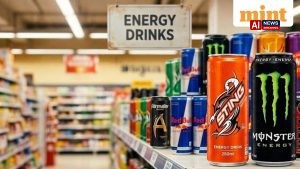
 Explainer | PepsiCo, Monster challenge order against use of ‘Energy Drink’ labels but why FSSAI calls them misleading
  CBS removes Tony Romo as analyst after DUI arrest.
  Ukraine’s president warns Russia has abandoned war rules
  U.S. and Allies Agree to Release Diesel Reserves as Prices Soar
  Mother’s scream stops armed passenger from reaching cockpit
 Breaking the blister pack: Counterfeit, adulterated medicines network busted
**
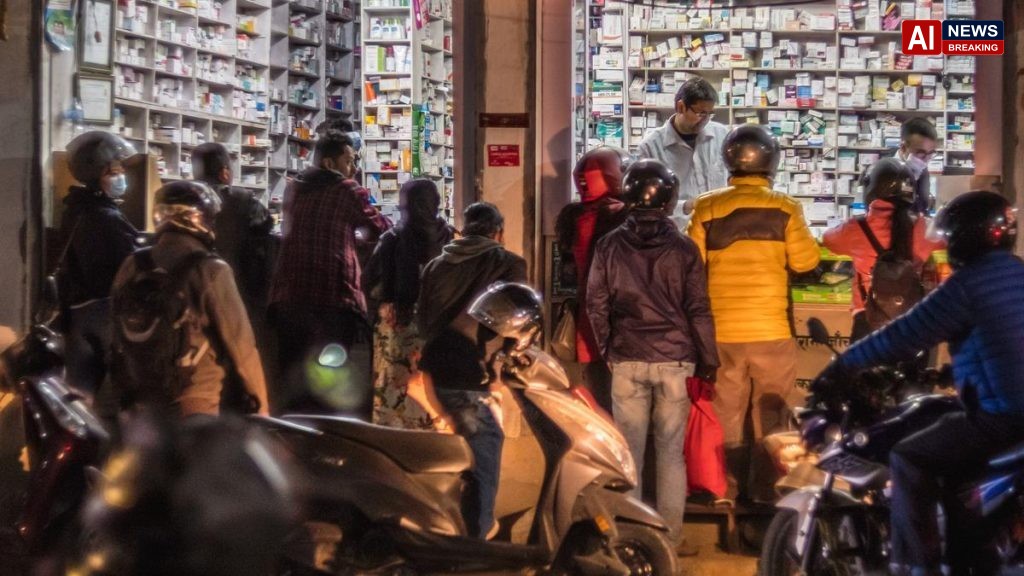
Breaking the blister pack: Counterfeit, adulterated medicines network busted - AI News Breaking
blister pack counterfeit adulterated:
Investigative agencies across the United Kingdom and Europe have announced the dismantling of a sprawling network that produced and distributed counterfeit and adulterated medicines, a series of raids that culminated in the seizure of more than £120 million worth of illicit pharmaceuticals. Over the past twelve months, coordinated operations involving the National Crime Agency (NCA), the Medicines and Healthcare products Regulatory Agency (MHRA), the European Medicines Agency (EMA) and several regional police forces have resulted in the closure of nine major drug‑racket cells. The seized items ranged from oncology drugs and COVID‑19 vaccines to common antibiotics and psychotropic medications, prompting concerns about the scale of the threat to public health and the challenges facing regulators in an increasingly digital supply chain.The investigations, which began as separate enquiries into isolated incidents of substandard medicines, converged in early 2023 when forensic analysts identified a common manufacturing signature in counterfeit vials recovered from hospitals in Manchester, Birmingham and Glasgow..
“The pattern of contamination and the chemical markers were identical,” said Dr Helen Cartwright, senior scientist at the MHRA’s forensic laboratory. “It pointed to a single source that was distributing across multiple therapeutic categories, using sophisticated packaging that mimicked legitimate blister packs and tamper‑evident seals.”Further scrutiny revealed a network of three manufacturing sites located in Eastern Europe, two distribution hubs in the United Kingdom, and a series of front‑company warehouses in the Netherlands and Belgium. The manufacturers, operating under the guise of legitimate pharmaceutical firms, used industrial‑grade equipment to produce active pharmaceutical ingredients (APIs) that were either chemically altered or mixed with inert substances..
In some instances, authentic APIs were diluted with cheaper compounds, while in others, entirely different compounds were substituted, rendering the medicines ineffective or potentially harmful. The counterfeit products were then repackaged in counterfeit blister packs that bore the logos and barcodes of well‑known brands, a tactic designed to evade detection by both clinicians and automated dispensing systems.Law enforcement officials disclosed that the network supplied an estimated 3.5 million doses of medication to private clinics, community pharmacies and, in some cases, directly to patients via online marketplaces. Among the most serious items were falsified batches of pembrolizumab, a checkpoint inhibitor used in the treatment of several cancers, and a series of counterfeit COVID‑19 vaccines that were marketed as “booster shots” on social media platforms..
“These are not minor infractions,” warned Detective Superintendent Mark Hughes of the NCA’s organised crime unit. “When a patient receives a sub‑potent cancer drug or a vaccine that contains no active ingredient, the consequences can be fatal. The public health implications are profound.”The operation also uncovered a parallel stream of psychotropic medicines, including antipsychotics and antidepressants, which had been adulterated with substances that could precipitate severe side effects..
A batch of sertraline tablets, for example, was found to contain up to 40 percent of an unapproved filler that can cause gastrointestinal distress and, in vulnerable patients, exacerbate psychiatric symptoms. Pharmacists in the north of England reported unusually high numbers of complaints from patients experiencing unexpected reactions, prompting an early alert that led investigators to the source.In total, the raids resulted in the arrest of 28 individuals, including two senior executives who oversaw the manufacturing facilities abroad, and the seizure of equipment valued at more than £45 million. Authorities have also confiscated over 1.2 million counterfeit blister packs, a stock that, if distributed, could have reached an estimated 7 million patients..
“The scale of the operation is staggering,” said EMA director‑general Emer Cooke. “It highlights the vulnerability of our supply chains and the need for robust cross‑border collaboration.”Regulators have stressed that the threat is unlikely to be eradicated entirely, noting that the illicit market for medicines thrives on the demand for cheaper alternatives and the anonymity afforded by online platforms. The MHRA has urged healthcare professionals to verify the provenance of medicines, particularly those sourced from non‑traditional suppliers, and to report any suspicious products through the Yellow Card scheme..
“Vigilance at the point of care remains our first line of defence,” the agency’s spokesperson added.The bust has also triggered a review of current pharmaceutical import controls. The Department for Health and Social Care announced a parliamentary inquiry into the adequacy of existing legislation governing the importation of medical products post‑Brexit, with particular focus on the role of third‑party logistics providers. Meanwhile, industry bodies such as the Association of the British Pharmaceutical Industry (ABPI) have called for increased funding for advanced tracking technologies, including blockchain‑based authentication and real‑time monitoring of supply‑chain data.Patient advocacy groups have welcomed the crackdown but caution that the fallout may leave a gap in treatment access, especially for those who rely on affordable generics..
“We appreciate the removal of dangerous products from the market, but we must also ensure that legitimate, low‑cost medicines remain available,” said Maria Alvarez, director of the UK Patients’ Alliance. “Any disruption to supply must be managed carefully to avoid unintended shortages.”The investigations underscore a growing consensus among officials that combating counterfeit medicines requires a multi‑faceted approach, blending law enforcement, regulatory oversight and industry cooperation. As the UK and its European partners continue to refine their strategies, the recent bust serves as a stark reminder of the ongoing battle to safeguard the integrity of the pharmaceutical supply chain and protect patients from the hidden dangers of counterfeit drugs..
Updated: October 2, 2026
Summary: Coordinated raids by UK and European agencies have shattered a large counterfeit‑medicine network, seizing over £120 million in fake drugs—including cancer treatments and COVID‑19 vaccines—and arresting 28 suspects. Officials warn the bust highlights deep supply‑chain vulnerabilities and the need for tighter cross‑border regulation and vigilant monitoring.
The bust shows that even the most sophisticated counterfeit rings can hide in plain sight, turning digital marketplaces into invisible pharmacies that erode trust in life‑saving drugs. It also forces regulators to treat supply‑chain security as a public‑health imperative, not just a customs checkbox.