Europe warns of Russia’s hybrid attacks but struggles to counter them
  Former chief election commissioner calls SIR scheme illegal.
  A Corruption Scandal Is Reshaping Brazil’s Presidential Election
  US citizen injured in Illinois after ICE agents mistook him for fugitive, tried to arrest him
  At 10 years old, Smithsonian’s Black museum is undaunted amid pressure from Trump administration
 Centre Waives Excise Duty on 22-30% Ethanol-Blended Petrol in Major Push for Green Energy
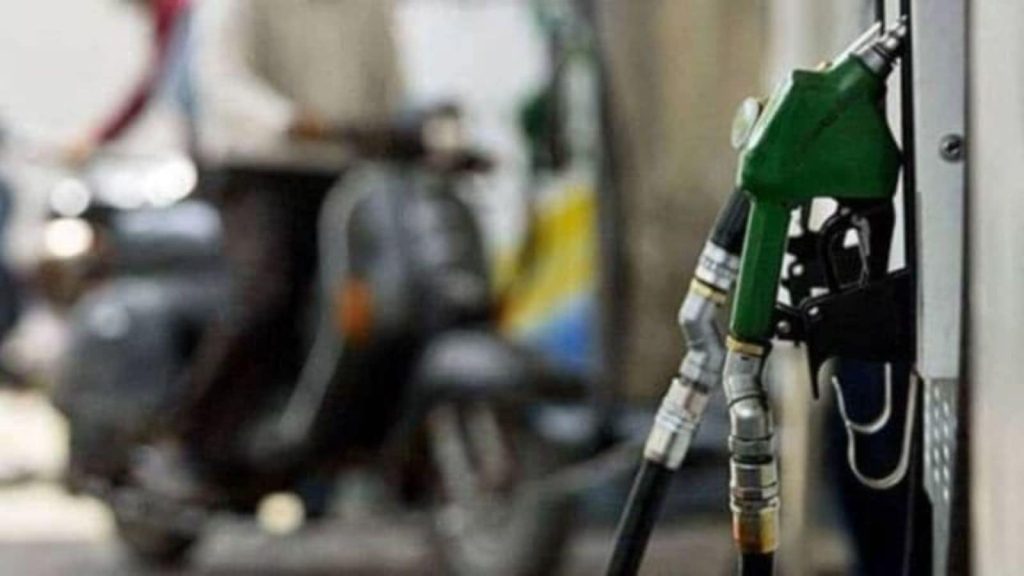
In a significant policy move aimed at promoting cleaner fuels and reducing India’s dependence on imported crude oil, the Central Government has exempted petrol blended with 22% to 30% ethanol from central excise duty. The decision is expected to accelerate the adoption of higher ethanol blends across the country while supporting the government’s long-term energy security and environmental sustainability goals.
The exemption was announced through a notification issued by the Ministry of Finance, providing a substantial fiscal incentive for oil marketing companies and fuel retailers to expand the use of higher ethanol-blended petrol. Industry experts believe the move could play a crucial role in helping India achieve its ambitious ethanol blending targets while reducing greenhouse gas emissions from the transportation sector.
A Major Step Towards Ethanol-Based Mobility: India has been aggressively promoting ethanol blending as part of its broader strategy to cut fuel imports and strengthen domestic energy production. Ethanol, a biofuel produced primarily from sugarcane, maize, and other agricultural feedstocks, is considered a cleaner alternative to conventional fossil fuels.
The latest exemption applies specifically to petrol containing ethanol in the range of 22% to 30%, often referred to as higher ethanol blends. Until now, central excise duties applied to such fuel mixtures, adding to their cost and limiting widespread adoption.
Government officials say the exemption is intended to make higher ethanol-blended fuels more commercially viable and encourage investment in the necessary production and distribution infrastructure.
Why Ethanol Blending Matters : India is the world’s third-largest consumer of crude oil and imports more than 85% of its oil requirements. This dependence exposes the country to global price volatility and geopolitical risks.
Increasing ethanol blending offers several advantages:
- Reduces crude oil imports
- Lowers foreign exchange expenditure
- Supports domestic agriculture
- Cuts carbon emissions
- Improves energy security
- Promotes rural economic development
By replacing a portion of petrol with domestically produced ethanol, India can reduce its reliance on imported fossil fuels while creating additional income opportunities for farmers and biofuel producers.
Boost for Farmers and Sugar Industry: The government’s ethanol blending programme has emerged as an important source of revenue for sugar mills and farmers over the past few years.
Sugarcane-based ethanol production has helped absorb surplus sugar stocks while ensuring timely payments to farmers. The new excise duty exemption is expected to further increase demand for ethanol, creating additional opportunities for agricultural producers.
Industry representatives welcomed the announcement, saying it could encourage greater investment in ethanol manufacturing facilities and strengthen the rural economy.
The policy is also expected to benefit maize growers and other agricultural sectors involved in ethanol production, contributing to broader rural development objectives.
Supporting India’s Ethanol Blending Targets: India has made remarkable progress in ethanol blending over the past decade.
The ethanol blending rate has increased significantly from less than 2% in 2014 to over 20% in recent years. The government has repeatedly emphasized its commitment to expanding biofuel usage as part of the country’s clean energy transition.
Officials believe that encouraging higher blends beyond the current levels could further reduce fossil fuel consumption while helping India meet its climate commitments.
The excise duty exemption is viewed as a critical policy tool for accelerating the next phase of ethanol adoption.
Environmental Benefits: One of the primary motivations behind promoting ethanol-blended fuels is the potential reduction in carbon emissions.
Ethanol is considered a renewable fuel because it is produced from plant-based feedstocks that absorb carbon dioxide during growth. While ethanol combustion still releases emissions, its overall carbon footprint is generally lower than conventional petrol.
Environmental experts argue that greater use of ethanol-blended fuels can contribute to:
- Reduced greenhouse gas emissions
- Lower air pollution levels
- Improved urban air quality
- Progress toward climate goals
The transportation sector remains one of India’s largest contributors to emissions, making fuel diversification an important component of environmental policy.
Impact on Consumers: The immediate impact on retail fuel prices remains uncertain, as pricing decisions will depend on multiple factors including ethanol production costs, crude oil prices, and distribution expenses.
However, industry analysts suggest that removing excise duty could improve the economic viability of higher ethanol blends and potentially support competitive pricing in the long run.
Consumers may also benefit indirectly from reduced fuel import dependence and greater energy security.
Automobile manufacturers have increasingly developed flex-fuel and ethanol-compatible vehicles in anticipation of higher blending levels, indicating growing industry support for biofuel adoption.
Industry Reaction: The petroleum and biofuel industries have largely welcomed the government’s decision.
Oil marketing companies are expected to evaluate opportunities to expand the availability of higher ethanol-blended petrol at retail outlets across the country. Meanwhile, ethanol producers see the move as a positive signal that the government intends to continue supporting the biofuel sector.
Experts note that policy consistency is essential for attracting long-term investment in ethanol production infrastructure, storage facilities, and transportation networks.
The latest excise exemption is therefore being viewed not merely as a tax measure but as a strategic step toward building a sustainable biofuel ecosystem.
Strengthening India’s Energy Future: The excise duty exemption reflects the government’s broader commitment to energy diversification and sustainability.
As global energy markets become increasingly uncertain, reducing dependence on imported fossil fuels has become a strategic priority for many countries, including India.
By promoting higher ethanol blends, the government aims to create a more resilient energy system while generating economic benefits for farmers, industry, and consumers alike.
The move also aligns with India’s long-term climate goals and efforts to transition toward cleaner sources of energy.
The exemption of central excise duty on petrol blended with 22% to 30% ethanol marks another milestone in India’s biofuel journey. The policy is expected to encourage greater adoption of ethanol-based fuels, stimulate investment in production capacity, and strengthen the country’s efforts toward energy independence.
As India continues to pursue ambitious environmental and energy objectives, higher ethanol blending is likely to remain a central pillar of its clean fuel strategy. The success of this initiative will depend on sustained policy support, industry participation, and continued innovation across the biofuel value chain.