 Australia probes AI‑driven breach of My Health Record portal
  Engineering student’s ‘suicide’ turns out to be murder; two arrested
  Canada’s Capital Bids Good Riddance to Trump Avenue as Tensions With U.S. Rise
  Pentagon investigates after China obtains parts from F-35 stealth fighter jet
 Cruise Ship Hantavirus Outbreak in Cape Verde Raises Global Alarms, Travelers Warned
Deadly Hantavirus Outbreak Raises Concerns for Global Travel Industry
A luxury cruise ship stranded off the coast of Cape Verde with nearly 150 passengers on board has triggered a serious health scare as the first reported cases of human-to-human transmission of a hantavirus strain emerge.
The Swiss government has confirmed a passenger who disembarked from the vessel, MV Hondius, tested positive for the Andes strain of hantavirus.
Updated: May 6, 2026
Deadly Hantavirus Outbreak Raises Concerns for Global Travel Industry
A luxury cruise ship stranded off the coast of Cape Verde with nearly 150 passengers on board has triggered a serious health scare as the first reported cases of human-to-human transmission of a hantavirus strain emerge.
The Swiss government has confirmed a passenger who disembarked from the vessel, MV Hondius, tested positive for the Andes strain of hantavirus. This strain has been identified as the cause of infection in two cases in South Africa. While Swiss authorities have assured that there is no imminent danger to the broader population, global health experts are on high alert, citing the rare but alarming possibility of human-to-human transmission.
For those who may not be familiar, hantavirus is a potentially deadly viral disease that affects various regions around the world, including South America, Eastern Europe, and parts of Asia. The Andes strain is particularly virulent, with a mortality rate of up to 30 percent, according to the World Health Organization (WHO).
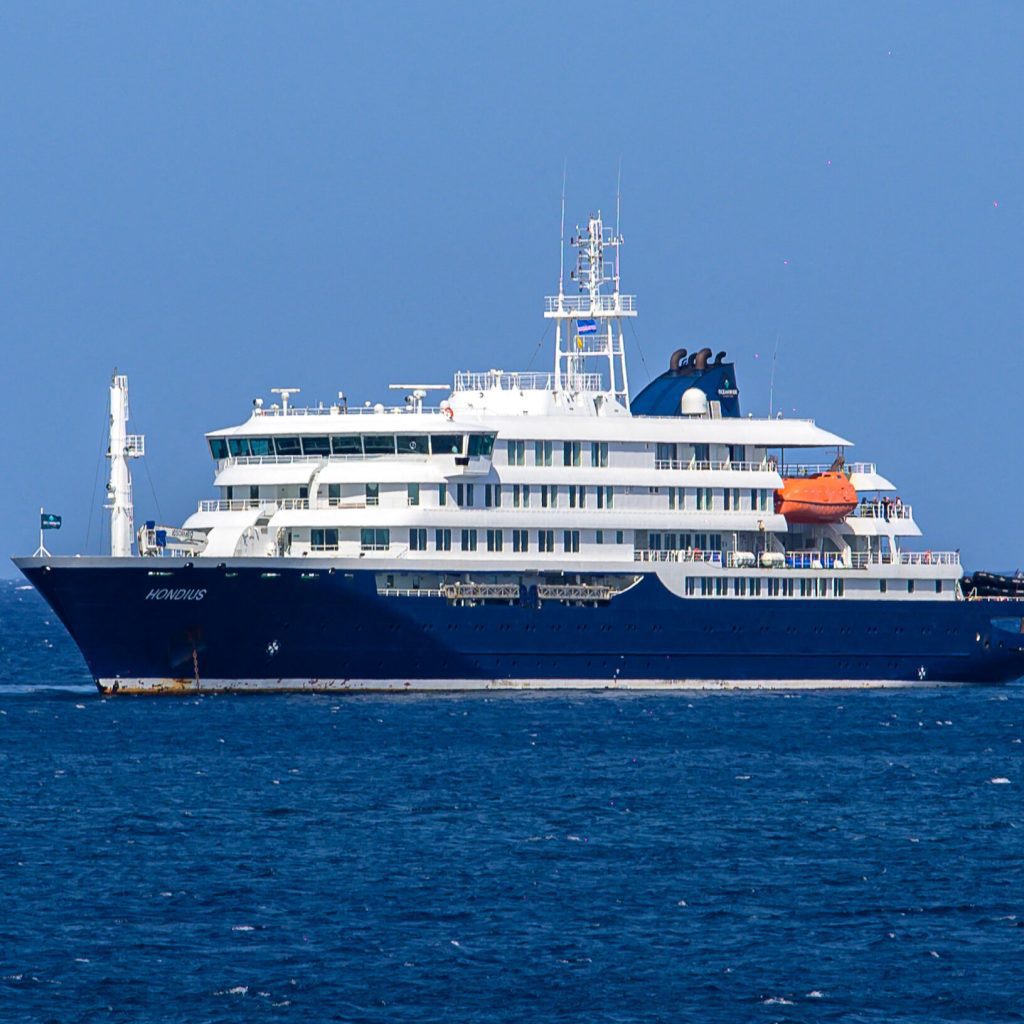
The source of the hantavirus outbreak aboard the MV Hondius has not been confirmed. However, officials suspect that rodents may have played a role in the transmission of the virus. Rodents are known to be common carriers of the disease, which is transmitted through contact with their droppings or saliva.
The recent hantavirus outbreak highlights the risks associated with travel during the COVID-19 era. With international air travel now more accessible, people are venturing further afield than ever before. This increased mobility has created an environment in which infectious diseases can spread rapidly. As a result, travelers, particularly those traveling to high-risk areas, must be vigilant about adopting preventive measures.
According to the WHO, hantavirus infections have been reported in numerous countries worldwide. In the Americas, where the virus is most commonly found, several countries have reported outbreaks in recent years. This has serious implications for global travel, particularly among cruise passengers who often visit multiple destinations during their voyages.
The MV Hondius case raises several questions about cruise ship safety, health protocols, and the need for improved hygiene standards onboard. Many cruise ships have implemented strict health and safety measures in response to the COVID-19 pandemic. However, the hantavirus outbreak highlights that more needs to be done to mitigate the spread of other infectious diseases.
Why this matters
The human-to-human transmission of the Andes strain of hantavirus has significant implications for global health and travel. The disease’s potential for rapid transmission via airborne and aerosolized routes highlights the pressing need for enhanced public health preparedness and coordination.
Future outlook
The global health community will closely monitor the hantavirus outbreak on the MV Hondius to understand the full extent of human-to-human transmission. Travel industry stakeholders, health organizations, and governments must collaborate on enhanced strategies to mitigate the spread of this disease and others, especially among high-risk populations such as cruise ship passengers.
The recent hantavirus outbreak on the MV Hondius highlights a critical intersection of global travel and health security, underscoring the unpredictable risks faced by travelers venturing into unfamiliar territories. This unexpected convergence is a harsh reminder that modern travel, though convenient, has its own set of untamed variables waiting to disrupt our carefully crafted plans.
This is a developing story. More updates will follow as new information becomes available.