 Namma BMTC 2.0 app brings bus and metro ticketing and live-tracking under one platform
  Trump’s 5,000 ‘Dividend’ Promise Sparks Bribery Claims as GOP Faces Crucial Midterms
  Why Yemen Is Back on the Brink of War
  Delhi HC Questions Unverified Posts Against Gaurav Bhatia, Asks CJP Leaders to Consider Voluntary Takedown
  India Signals Tougher Red Warning Labels on Food Packs as Supreme Court Pushes for Stricter Rules
 Delhi HC Questions Unverified Posts Against Gaurav Bhatia, Asks CJP Leaders to Consider Voluntary Takedown
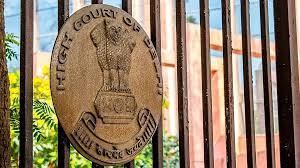
delhi questions unverified posts:
New Delhi: The Delhi High Court on Thursday questioned social-media posts targeting senior advocate and BJP leader Gaurav Bhatia and asked the defendants in his ₹2-crore defamation case whether they were willing to voluntarily remove the disputed content.
Justice Tushar Rao Gedela was hearing Bhatia’s defamation suit against Saurav Das, Ashutosh Ranka and others over posts circulated on X that Bhatia alleges falsely attributed statements to him. The court indicated that it did not want to immediately issue a mandatory takedown order if the defendants were prepared to remove the material themselves.
The proceedings have drawn attention to a wider problem surrounding political commentary and AI-generated content on social media, particularly when fabricated or unverified material is presented alongside a public figure’s photograph.
Key Points
1. Delhi HC hears ₹2-crore defamation suit: BJP leader and senior advocate Gaurav Bhatia has sued over allegedly defamatory social-media content.
2. Court asks about voluntary takedown: Justice Tushar Rao Gedela asked the defendants whether they would remove the disputed posts voluntarily rather than forcing the court to issue a takedown order.
3. Alleged AI-generated statement at centre of dispute: Bhatia says his photograph was used alongside statements he never made, creating a false impression that he had made the remarks.
4. One post was already deleted: The defendants told the court that the initial disputed tweet had been removed, but the court pointed to another post.
5. AI and defamation are emerging together: The proceedings highlight the growing legal risks of using AI-generated material involving real people and presenting it as authentic.
Delhi HC questions alleged unverified posts
During the hearing, the court questioned the defendants about the disputed posts and observed that criticism and protest could be expressed in different ways.
Justice Gedela reportedly told the young defendants that making allegations without verification was not appropriate and suggested that they consider taking down the posts voluntarily. The court also stressed that people have the right to express their views but should communicate them in a more careful and articulate manner.
The court’s approach stopped short of immediately imposing a takedown order. Instead, counsel for the defendants were asked to obtain instructions on whether the material could be removed voluntarily.
What is the Gaurav Bhatia defamation case about?
Bhatia has filed a suit seeking ₹2 crore in damages, along with permanent and mandatory injunctions, over content circulated on social-media platform X.
According to the pleadings described in the court proceedings, the dispute concerns an alleged AI-generated graphic or post carrying Bhatia’s photograph and attributing remarks to him concerning right-wing influencer Swatantra Bhardwaj.
Bhatia has denied making the alleged remarks and has argued that the material created a false impression that he was the source of the statements.
The controversy reportedly followed the arrest of Bhardwaj, who was accused of assaulting a teenage CJP protester during protests at Jantar Mantar. The disputed post allegedly described Bhardwaj using derogatory political labels and attributed those comments to Bhatia.
Bhatia alleges fabricated content caused reputational damage
Bhatia told the court that the disputed material had been widely circulated and could damage his reputation because of the large audience of the accounts involved.
The plaint reportedly states that one disputed post was viewed by more than 1.32 lakh people before it was deleted after Bhatia objected. Bhatia also alleged that his photograph had been combined with a fabricated statement and that the use of a news-agency logo gave the graphic an appearance of authenticity.
The case therefore raises an increasingly important question for social-media platforms: what happens when AI-generated material is used to create apparently authentic political statements and attach them to a real person who never made them?
Court asks why defendants should continue litigating over posts
The High Court also adopted a conciliatory approach during the hearing.
The judge questioned the young defendants about whether they really needed to spend their time litigating over the matter and pointed out that there could be other ways of addressing the dispute.
The court also told Bhatia that he could have approached the defendants directly before filing the case, suggesting that at least part of the dispute might have been resolved without immediate judicial intervention.
However, Bhatia maintained that the matter amounted to aggravated defamation and that the continued circulation of the material was particularly serious because of the reach of the accounts involved.
One defendant seeks removal from the case
The proceedings also focused on the role of Abhijeet Dipke, another person named as a defendant.
Dipke’s counsel argued that there was no tweet by Dipke forming the subject matter of the dispute. The court questioned what specific material had been posted by him and indicated that there appeared to be little or nothing against him.
The court consequently considered whether Dipke should be removed from the array of parties.
The distinction is important because the allegations in the suit appear to be primarily directed at Das and Ranka, whom Bhatia accuses of publishing or amplifying the disputed material.
First post deleted, but court flags another
During the hearing, counsel for Saurav Das told the court that the tweet at issue had already been deleted.
The court, however, pointed out that another post had also been published and raised concerns about that material as well.
The development prompted the court to ask the defendants to consider whether they would voluntarily remove the remaining disputed content rather than wait for a compulsory judicial order.
Free speech versus responsibility in the AI era
The case goes beyond the immediate dispute between Bhatia and the defendants.
Social-media platforms have made it possible for political claims, memes and commentary to reach large audiences within minutes. Generative AI has added another layer to that problem by making it easier to produce realistic-looking images, statements and graphics involving real people.
A fabricated quote accompanied by the photograph of a politician, lawyer or public official can potentially be mistaken for an authentic statement, particularly when the graphic also carries the branding of a recognised media organisation.
That creates a difficult balance between freedom of expression and protection against false attribution.
The Delhi High Court’s observations indicate that while criticism and political protest remain protected forms of expression, the manner in which allegations are presented can become legally significant when statements are falsely attributed to an individual.
Why the case matters for social media
The proceedings could become relevant beyond the immediate parties because AI-generated political content is becoming increasingly common online.
The central issue is not simply whether a particular post is offensive or critical. It is whether a person can be held responsible for publishing or amplifying a statement that appears to have been made by someone else when that statement was allegedly fabricated.
The case also highlights the importance of verification before sharing politically sensitive claims.
The court’s comments suggest that free speech does not eliminate the responsibility to verify factual assertions, particularly when those assertions concern an identifiable individual and are distributed to a large audience.
What happens next in the Gaurav Bhatia case?
The immediate issue before the Delhi High Court is whether the defendants will voluntarily remove the disputed posts and file their responses in the defamation proceedings.
The court has not, at this stage, been reported as issuing a final judgment on Bhatia’s ₹2-crore damages claim. Nor does the hearing amount to a final finding that the disputed material was defamatory.
Instead, the proceedings remain focused on the allegations, the specific posts attributed to the defendants and whether the disputed content should remain online.
The court’s next steps will therefore be closely watched, particularly because the case sits at the intersection of defamation law, political speech, social-media amplification and AI-generated misinformation.
AI News Breaking Insight
The Gaurav Bhatia defamation proceedings illustrate a new challenge for India’s courts: political misinformation is no longer limited to misleading words—it can now be manufactured into convincing visual content within minutes.
The alleged use of AI-generated material is particularly significant because a fabricated statement accompanied by a real person’s photograph can look substantially more credible than an ordinary anonymous social-media claim. Adding the branding of a media organisation can further create the impression that the material has been independently reported.
For courts, this creates a difficult line to draw. Political criticism and protest are fundamental to public debate, but fabricated quotations attributed to identifiable individuals can carry very different legal consequences.
The Delhi High Court’s decision to first ask whether the disputed posts can be removed voluntarily also signals an attempt to balance free expression, accountability and proportionality rather than immediately resorting to compulsory censorship.
The larger lesson is becoming increasingly clear: in the AI era, the ability to create political content is expanding faster than the ability of ordinary users to verify it. The Bhatia case could therefore become another important marker in India’s evolving legal response to AI-generated misinformation and online defamation.