 Namma BMTC 2.0 app brings bus and metro ticketing and live-tracking under one platform
  Trump’s 5,000 ‘Dividend’ Promise Sparks Bribery Claims as GOP Faces Crucial Midterms
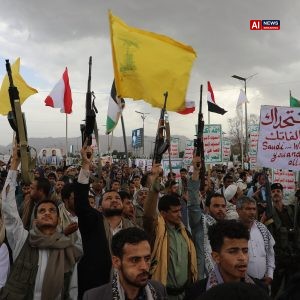
  Why Yemen Is Back on the Brink of War
  Delhi HC Questions Unverified Posts Against Gaurav Bhatia, Asks CJP Leaders to Consider Voluntary Takedown
  India Signals Tougher Red Warning Labels on Food Packs as Supreme Court Pushes for Stricter Rules
 Why Yemen Is Back on the Brink of War
The fragile ceasefire that had briefly silenced artillery in Yemen is rapidly disintegrating. With the Houthi movement signaling renewed offensives and the Saudi‑backed Yemeni government bracing for counter‑strikes, the region teeters on the edge of a fresh full‑scale conflict, raising alarms over a looming humanitarian disaster.
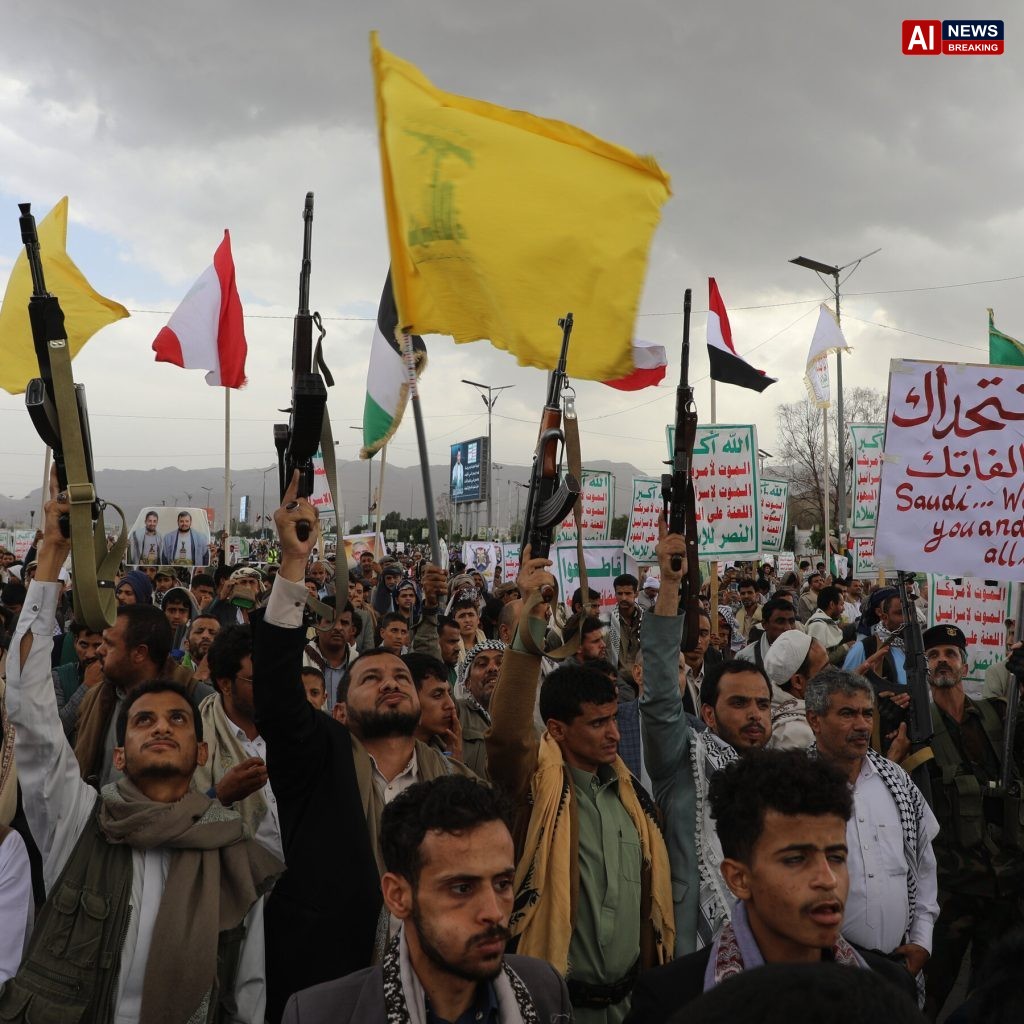
Why Yemen Is Back on the Brink of War - AI News Breaking
yemen back brink:
Why Yemen Is Back on the Brink of War The fragile ceasefire that had temporarily muted the roar of artillery in Yemen is rapidly disintegrating. After years of exhausting negotiation, diplomats in Geneva and Riyadh find themselves staring down a renewed storm of violence. The Houthi movement, which controls the capital Sanaa and significant portions of northern Yemen, has signaled a clear desire to resume offensive operations..
Meanwhile, the internationally recognized government, backed by a coalition led by Saudi Arabia, is preparing its forces for potential retaliatory strikes. The atmosphere in the region is thick with tension, as trust between the warring factions has evaporated. Observers note that the peace process, once hailed as a diplomatic breakthrough, now appears to be crumbling under the weight of historical grievances and immediate security concerns..
For the Houthi leadership, the decision to escalate is driven by a combination of ideological conviction and strategic necessity. They view their armed resistance as a defense of Yemeni sovereignty against foreign interference. Recent disputes over maritime borders and the withdrawal of coalition forces have heightened their sense of vulnerability..
Leaders within the movement argue that peace talks have failed to deliver tangible results, leaving their constituents with little but destruction and poverty. By increasing military pressure, they hope to force concessions from their adversaries and assert their dominance in the negotiation room. This hardline stance is supported by their base, which remains deeply suspicious of any perceived compromise with foreign-backed entities..
The Houthi movement’s strategic calculus is further complicated by its deepening ties with regional powers. While they maintain independence in tactical decisions, their ideological alignment with Iran provides them with significant material support. This relationship allows them to acquire advanced weaponry, including long-range drones and missiles, which they have used to project power beyond Yemen’s borders..
The recent escalation in attacks on international shipping in the Red Sea has drawn global attention and condemnation, but it has also bolstered the Houthis’ domestic legitimacy. They present themselves as defenders of Palestinian rights, a narrative that resonates with many in the region. This geopolitical leverage gives them confidence that external pressure will not easily break their resolve..
On the other side of the conflict, the Yemeni government faces immense pressure to demonstrate strength and legitimacy. Backed by the Saudi-led coalition, officials in Aden are anxious about appearing weak in the face of Houthi aggression.任何 perceived loss of territory or influence could undermine their claim to represent the entire nation. The coalition has recently shifted its strategy from intensive bombing campaigns to more targeted support, but this ambiguity creates uncertainty..
Government forces are often fragmented, with local militias holding significant power. This lack of centralized control makes coordinated defense difficult, yet the political imperative to respond to Houthi advances remains urgent. Failure to act could lead to internal dissent and further erosion of their authority..
Saudi Arabia’s role in this renewed escalation is defined by a complex balancing act. The Kingdom has invested heavily in ending the war, seeking to reduce casualties and humanitarian suffering on its southern border. However, it cannot afford to withdraw completely before securing its security interests..
Any significant gain by the Houthis could threaten Saudi sovereignty and embolden other dissenting groups. Consequently, Riyadh is likely to provide robust logistical and intelligence support to its Yemeni allies. This support is carefully calibrated to avoid direct confrontation, but it is sufficient to keep the conflict active..
The Saudis view the Houthis as an extension of Iranian influence, and thus, their defeat is seen as crucial for regional security. Iran’s involvement adds a volatile dimension to the escalating tensions. Tehran has long provided political, financial, and military support to the Houthi movement, seeking to counter Saudi influence in the Gulf..
By empowering the Houthis, Iran aims to maintain a strategic foothold in the Arabian Peninsula. Recent statements from Iranian officials have been cautious, but their actions suggest a willingness to allow limited escalation. This proxy dynamic ensures that the conflict remains intertwined with broader regional rivalries..
Any major shift in the balance of power could trigger a wider confrontation between Iran and its Gulf Arab neighbors. The risk of miscalculation is high, as both sides test each other’s red lines. The humanitarian cost of this renewed brinkmanship is already becoming apparent..
According to international aid agencies, millions of Yemenis are on the verge of starvation, with access to basic services severely restricted. The resumption of hostilities threatens to reverse recent gains in stabilizing the health and food systems. Hospitals are struggling to operate, and supply routes are frequently disrupted by shelling..
The United Nations warns that a full-scale return to war could lead to a catastrophic collapse of civil order. Aid workers report rising levels of anxiety and fear among local communities. The human toll serves as a grim backdrop to the geopolitical博弈, highlighting the urgent need for a sustainable political solution..
International actors are closely monitoring the situation, with varying degrees of influence and interest. The United States and European governments have called for restraint, urging all parties to return to the negotiating table. However, their leverage is limited by the complex web of regional alliances and historical grievances..
Diplomatic efforts are being intensified, but skepticism remains high about the willingness of either side to compromise. The United Nations envoy continues to shuttle between capitals, seeking to de-escalate tensions, but progress is slow. The lack of trust between the parties makes it difficult to agree on basic security arrangements..
This diplomatic stalemate leaves room for further military posturing and accidental clashes. Economic factors also play a significant role in the current instability. Yemen’s infrastructure has been devastated by years of conflict, leaving the country dependent on aid and remittances..
The disruption of trade routes and ports exacerbates the economic crisis, fueling resentment and instability. Both sides benefit from controlling key economic assets, such as oil facilities and customs houses. This competition for resources drives much of the local fighting..
The lack of a unified economic strategy ensures that peace remains elusive, as each faction seeks to maximize its.
Updated: September 10, 2026
Summary: The cease‑fire in Yemen is unraveling as the Houthi rebels, backed by Iran, push for renewed offensives while the Saudi‑backed government readies counter‑strikes, heightening the risk of a full‑scale war. Amid escalating battles, millions face starvation and collapsing services, prompting urgent but stalled diplomatic appeals for a sustainable political settlement.
The looming resurgence of Yemen’s war underscores how proxy rivalries have turned a humanitarian disaster into a geopolitical lever, where any shift in the Houthi‑Iran axis threatens to redraw the Gulf’s security map.
Without a credible, enforceable power‑sharing framework that decouples local survival from regional grand strategy, the ceasefire will remain a fragile illusion, inviting miscalculation and a cascade of regional destabilisation.