Europe warns of Russia’s hybrid attacks but struggles to counter them
  Former chief election commissioner calls SIR scheme illegal.
  A Corruption Scandal Is Reshaping Brazil’s Presidential Election
  US citizen injured in Illinois after ICE agents mistook him for fugitive, tried to arrest him
  At 10 years old, Smithsonian’s Black museum is undaunted amid pressure from Trump administration
 Delhi Supreme Court Hearing May Alter Lives of Millions: Chief Justice Surya Kant to Decide Sabarimala Temple Case
The Supreme Court of India is hearing the Sabarimala temple case, which could alter the lives of millions of Indians. The case, led by Chief Justice Surya Kant, revolves around the ban on women of certain ages entering the temple, sparking debates on women’s rights, religious freedom, and social justice.
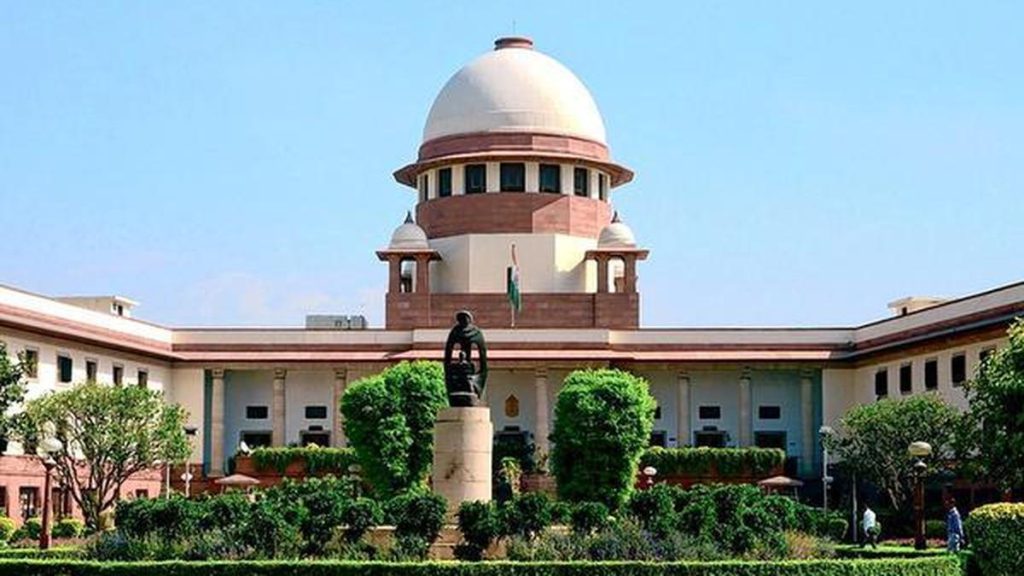
As the sun rises over the bustling streets of Delhi, a sense of anticipation hangs in the air.
Inside the hallowed halls of the Supreme Court, a significant hearing is underway, one that could have far-reaching implications for the lives of millions of Indians.
Updated: May 6, 2026
As the sun rises over the bustling streets of Delhi, a sense of anticipation hangs in the air. Inside the hallowed halls of the Supreme Court, a significant hearing is underway, one that could have far-reaching implications for the lives of millions of Indians. At the center of it all is Chief Justice Surya Kant, who is leading a nine-judge constitution bench to address a complex web of issues surrounding religious freedom and women’s rights.
The incident that sparked this hearing is rooted in a long-standing controversy surrounding the Sabarimala temple in Kerala, where women of certain ages have been barred from entering. This decades-old tradition has been challenged by several petitioners, who argue that it is a clear case of discrimination against women. The court’s decision to hear this case, along with others related to religious freedom across various faiths, has set off a chain reaction of emotions and reactions from people across the country. As the judges delve into the intricacies of the case, they are not just examining the legality of the issue, but also the deeply entrenched societal norms and cultural practices that underpin it.
As the hearing unfolds, the courtroom is filled with an air of tension and expectation. Lawyers on both sides present their arguments, while the judges pose tough questions, seeking to understand the complexities of the issue. Outside the courtroom, a different kind of response is playing out. Activists, devotees, and ordinary citizens are all eagerly following the developments, some expressing hope and optimism, while others voice concern and apprehension. The reaction on social media is equally divided, with some hailing the court’s decision to take up the case as a milestone for women’s rights, while others see it as an attempt to interfere with time-honored traditions.
But this case goes beyond the realm of individual rights and freedoms. It speaks to a broader concern that has been simmering in Indian society for years – the intersection of religion, culture, and gender. As the country continues to evolve and grow, there is a growing recognition that outdated practices and traditions must be re-examined in the light of modern values and principles. The Supreme Court’s decision, whenever it comes, will have significant implications for the way India navigates these complex issues. Will it uphold the principles of equality and non-discrimination, or will it choose to defer to traditional practices and customs? The answer, much like the court’s verdict, remains to be seen. One thing is certain, however – the outcome will be felt far beyond the courtroom, in the lives of millions of Indians, and in the very fabric of the country’s social and cultural landscape.
The Supreme Court's decision will be a pivotal moment in India's struggle to balance modernity with tradition, with the potential to either empower marginalized groups or entrench existing social hierarchies. Ultimately, the verdict will reveal whether the country's institutions are willing to challenge deep-seated cultural norms in pursuit of greater equality and social justice.
This is a developing story. More updates will follow as new information becomes available.