Europe warns of Russia’s hybrid attacks but struggles to counter them
  Former chief election commissioner calls SIR scheme illegal.
  A Corruption Scandal Is Reshaping Brazil’s Presidential Election
  US citizen injured in Illinois after ICE agents mistook him for fugitive, tried to arrest him
  At 10 years old, Smithsonian’s Black museum is undaunted amid pressure from Trump administration
 Eight killed in ladle blast and fire at Visakhapatnam Steel Plant.
A massive explosion at the Visakhapatnam Steel Plant in eastern India has killed at least 8 people, with several others trapped beneath the rubble, after a ladle of molten steel erupted in a catastrophic blast and fire, highlighting concerns over safety standards in the steel industry.
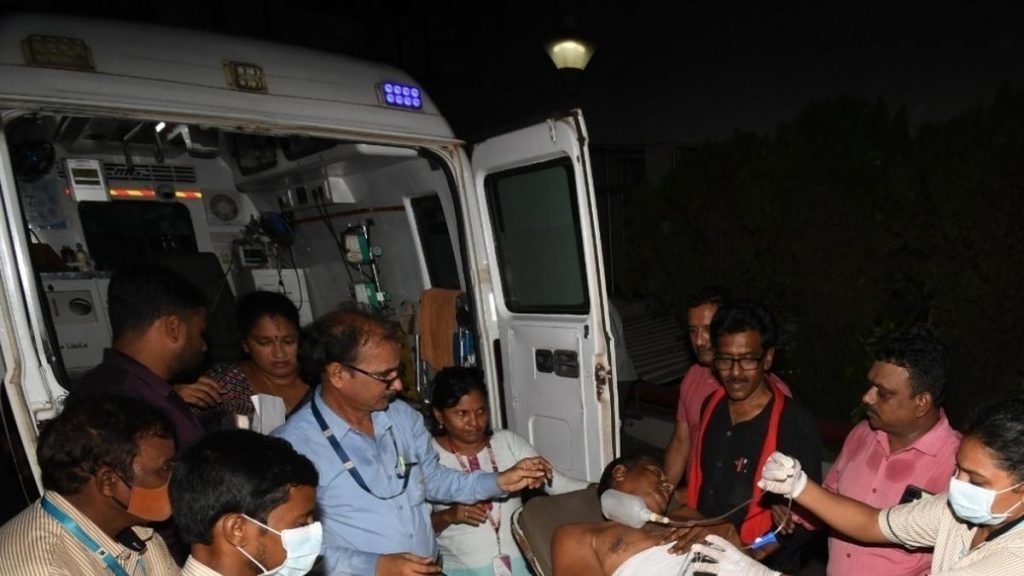
eight killed ladle blast:
Visakhapatnam Steel Plant accident: eight feared dead in ladle blast, fire at SMS-1 The Visakhapatnam Steel Plant in eastern India was the scene of a devastating accident on Wednesday, with initial reports suggesting that at least eight people have lost their lives in a blast and resulting fire at the Continuous Casting Department. The incident occurred at SMS-1, one of the plant’s key steel-making facilities. Eyewitnesses described a massive explosion, with a ladle of molten steel erupting in a catastrophic display of force, sending debris flying across the shop floor..
Several workers were trapped beneath the rubble, with rescue teams rushing to the scene to attempt to reach those in need of assistance. Unfortunately, the intense heat generated by the fire made the rescue efforts extremely challenging, and the situation remains precarious. The plant’s management team has confirmed the severity of the incident, but has not provided a definitive number of fatalities, citing ongoing rescue operations..
The Visakhapatnam Steel Plant is one of India’s largest and most modern steel-making facilities, operated by Rashtriya Ispat Nigam Ltd (RINL), a state-owned enterprise. The plant has undergone significant expansions and upgrades in recent years, increasing its production capacity to meet growing domestic demand. However, accidents have been a recurring theme at the plant, with several instances of worker injuries and fatalities reported in the past..
The cause of the ladle blast and resulting fire remains unclear, but initial investigations suggest that a faulty or improperly handled ladle may have contributed to the disaster. An investigation team, comprising representatives from RINL, the Indian government, and safety experts, has been formed to determine the root cause of the accident and identify measures to prevent similar incidents in the future. As news of the accident spread, the plant’s management team and local authorities sprang into action to coordinate rescue efforts..
Emergency services were called to the scene, with fire brigades and ambulances racing to the plant to provide assistance. The Indian Navy and Coast Guard also deployed personnel and equipment to assist in the rescue operations. The Visakhapatnam Steel Plant’s Continuous Casting Department is where liquid steel is poured into molds to create steel blooms, which are then rolled into various shapes and sizes..
The ladle involved in the blast is a critical piece of equipment, capable of holding hundreds of tons of molten steel at temperatures in excess of 1,600°C. Any malfunction or improper handling of the ladle can result in catastrophic consequences. The accident has sent shockwaves through the steel industry in India, with many in the sector expressing outrage and concern about the safety standards at the plant..
Industry insiders point to the plant’s history of accidents and inadequate response from management as evidence of a deeper problem. Workers’ unions and safety advocacy groups have called for a thorough investigation into the incident and demands for immediate implementation of additional safety measures. Rescue efforts are ongoing, with many workers reported to be trapped beneath the rubble and debris..
Emergency services are working tirelessly to remove the hazardous materials and facilitate safe passage for rescue teams to reach those in need. Locals have come together to offer support and assistance to the affected families, demonstrating the community’s resolve to help those impacted by the tragedy. The Indian government has extended its assistance to the affected families, with officials promising to provide financial compensation and support for the grieving families..
The government has also announced an investigation into the incident, led by a high-level committee comprising representatives from the Ministry of Steel, the Ministry of Labour, and the Ministry of Home Affairs. Safety experts have long warned about the risks associated with handling molten steel, citing inadequate training and supervision of workers as key factors contributing to accidents. The incident at Visakhapatnam Steel Plant highlights the need for a renewed focus on workplace safety, with greater emphasis on protecting the lives and well-being of workers..
The impact of the accident extends beyond the immediate tragedy, as the plant’s operations are expected to be disrupted for an undetermined period. Steel production will be significantly reduced, resulting in losses for the company and potential delays in meeting domestic demand. The repercussions of the accident are likely to be felt throughout the country, with economic implications that will require careful monitoring..
The incident at Visakhapatnam Steel Plant serves as a stark reminder of the importance of prioritizing workplace safety and adhering to established safety protocols. The tragedy will undoubtedly lead to calls for greater accountability and transparency from the management of the plant, as well as a renewed focus on implementing robust safety measures to prevent such incidents in the future..
Updated: June 8, 2026
The Visakhapatnam Steel Plant accident is a stark wake-up call for India’s industrial sector, highlighting the need for a cultural shift towards prioritizing worker safety and well-being over production targets. The long-term impact of this tragedy will depend on the government’s and management’s willingness to learn from this incident and implement meaningful safety reforms.