 Supreme Court questions whether BCCI must follow National Sports Governance Act
  Dutch town uses Netflix series in school curriculum for media literacy
  FDA suspends food licenses of IRCTC supplier and three ISKCON outlets
  Delhi Building Collapse LIVE Updates: Demolition Starts Next to Ruined PG, Contractor Taken Into Custody
  1,083 UK flights cancelled after NATS technical failure
 FDA suspends food licenses of IRCTC supplier and three ISKCON outlets
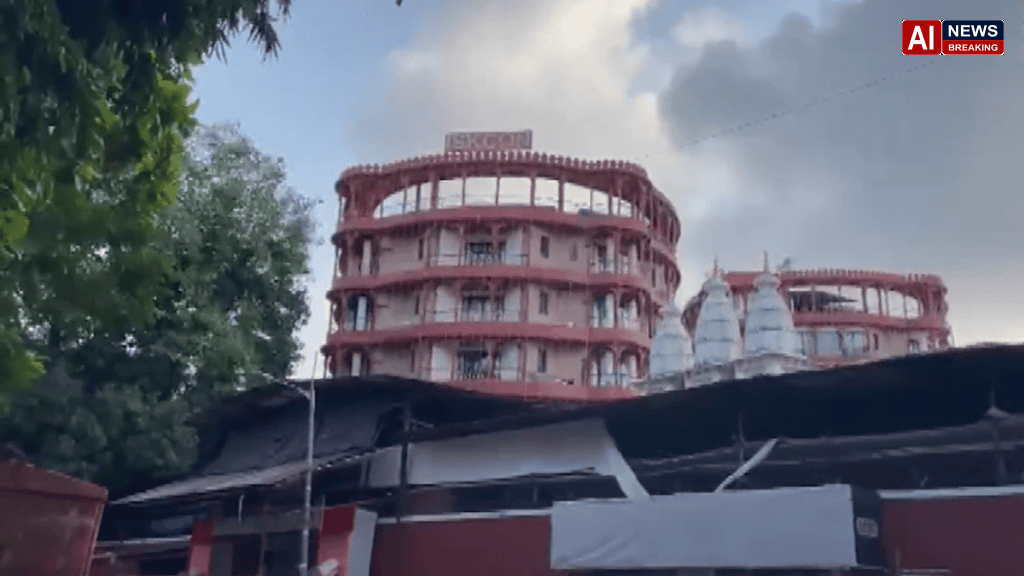
FDA suspends food licences of IRCTC supplier, 3 ISKCON establishments in Mumbai - AI News Breaking
suspends food licenses irctc:
FDA suspends food licences of IRCTC supplier, 3 ISKCON establishments in Mumbai The Food Safety and Standards Authority of India (FDA) has launched an unprecedented, state‑wide crackdown on restaurants, canteens and other food‑service outlets that it says are flouting hygiene and safety regulations. The sweep began after the appointment of IAS officer Tukaram Mundhe as the new FDA commissioner for Maharashtra in May, a move that has been described by industry observers as a “fresh start” for enforcement. Within weeks, the authority has issued licence suspensions to a high‑profile IRCTC catering contractor and three ISKCON temples in Mumbai, signalling that no entity is immune from scrutiny..
The IRCTC supplier in question, which provides meals to railway passengers across the country, was found to have repeatedly failed to meet the mandatory standards for temperature control, cross‑contamination prevention and record‑keeping. Inspectors discovered that cooked food was being stored at temperatures well above the 5°C threshold for perishable items, while raw and cooked products were being handled in the same area without adequate segregation. The FDA’s notice, served on 3 September, cited non‑compliance with the Food Safety and Standards (Licensing and Registration of Food Businesses) Regulations, 2011 and ordered an immediate cessation of operations until corrective actions are verified..
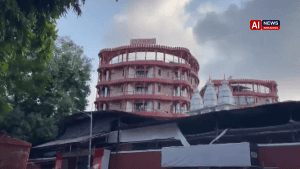
The three ISKCON establishments – the popular “Maharaj Bhawan” temple complex in Juhu, the “Bhaktivedanta” centre in Bandra and the “Krishna Dham” in Andheri – were each visited by a team of senior FDA officials in early August. Investigators reported a series of infractions ranging from inadequate hand‑washing facilities for staff to the use of sub‑standard cleaning agents on kitchen surfaces. In addition, the auditors found that the temples’ kitchen logs were either missing or incomplete, making it impossible to trace the source of a recent outbreak of food‑borne illness that affected several devotees..
Commissioner Mundhe, speaking at a press conference on 5 September, said the actions were part of a broader strategy to “restore public confidence in the safety of food served in both public and private venues”. He underscored that the FDA’s mandate is not to penalise but to protect consumers, adding that the agency will work with the affected businesses to help them achieve compliance. “We are not targeting any particular community or organisation; we are targeting negligence that puts lives at risk,” he asserted, before outlining a schedule of follow‑up inspections for the suspended licences..
The suspension of the IRCTC vendor has sparked a heated debate in the transport sector, where the quality of on‑board meals has long been a contentious issue. Rail passengers have repeatedly complained about stale, poorly prepared food, and the recent crackdown may finally compel the railway ministry to reassess its catering contracts. Sources within the Ministry of Railways have indicated that a new tender process could be initiated once the current supplier rectifies the cited deficiencies, though the timeline remains uncertain..
Meanwhile, the ISKCON temples have appealed the FDA’s decision, arguing that the inspections were conducted without sufficient prior notice and that the cited violations were minor, stemming largely from temporary staff shortages during the recent monsoon season. Legal counsel for the temples has filed a petition in the Mumbai High Court seeking an interim stay on the licence suspensions, citing potential loss of revenue and disruption to charitable feeding programmes that serve thousands of underprivileged devotees daily. Public health experts have welcomed the FDA’s decisive action, noting that food‑borne diseases remain a leading cause of morbidity in urban India..
Dr Rita Deshpande, a senior epidemiologist at the Indian Council of Medical Research, pointed out that the combination of dense populations, street‑food culture and inadequate regulatory oversight creates a perfect storm for outbreaks. “When high‑profile entities like IRCTC and ISKCON are held accountable, it sends a strong message to the entire industry that standards will be enforced, not merely recommended,” she said. The crackdown also coincides with a series of amendments to the Food Safety and Standards Act, slated for parliamentary debate later this year..
Among the proposed changes are stricter penalties for repeat offenders, mandatory digital logging of temperature data, and increased powers for state‑level FDA officers to impose immediate bans on non‑compliant establishments. Industry bodies such as the Federation of Hotel & Restaurant Associations of India (FHRAI) have expressed concerns that the new rules could burden small businesses, but they have welcomed the emphasis on consumer safety. Local residents, many of whom frequent the ISKCON kitchens for affordable meals, have taken to social media to voice both support and frustration..
While some applaud the authorities for taking a hard line on hygiene, others worry about the loss of a community service that provides low‑cost vegetarian food to the needy. “If the temples can’t serve meals, where will the street‑kids eat?” wrote one user on Twitter, prompting a flurry of comments from civic activists urging the FDA to consider temporary exemptions for charitable operations. The FDA has indicated that it will conduct a second round of inspections within the next fortnight, focusing on whether the suspended entities have implemented the required corrective measures..
If the IRCTC supplier can demonstrate compliance through documented temperature logs, staff training certificates and an upgraded kitchen layout, its licence may be reinstated. Similarly, the ISKCON temples will need to present revised standard operating procedures, upgraded hand‑washing stations and a fully populated audit trail before the bans are lifted. Analysts suggest that the outcomes of these inspections could set a precedent for how regulatory actions.
Updated: September 9, 2026
Summary: Maharashtra’s food safety regulator has suspended licenses for an IRCTC caterer and three temple kitchens over severe hygiene violations. The high-profile crackdown underscores a new regulatory push to enforce strict standards across all food service providers.
Targeting both a national logistics giant and revered spiritual hubs strips away perceived institutional immunity, signaling a paradigm shift toward uncompromising regulatory enforcement. This move risks fracturing the social contract between public safety mandates and essential community welfare services.