 Namma BMTC 2.0 app brings bus and metro ticketing and live-tracking under one platform
  Trump’s 5,000 ‘Dividend’ Promise Sparks Bribery Claims as GOP Faces Crucial Midterms
  Why Yemen Is Back on the Brink of War
  Delhi HC Questions Unverified Posts Against Gaurav Bhatia, Asks CJP Leaders to Consider Voluntary Takedown
  India Signals Tougher Red Warning Labels on Food Packs as Supreme Court Pushes for Stricter Rules
 Former Anthropic researcher accuses Musk of downplaying AI risks; Musk responds
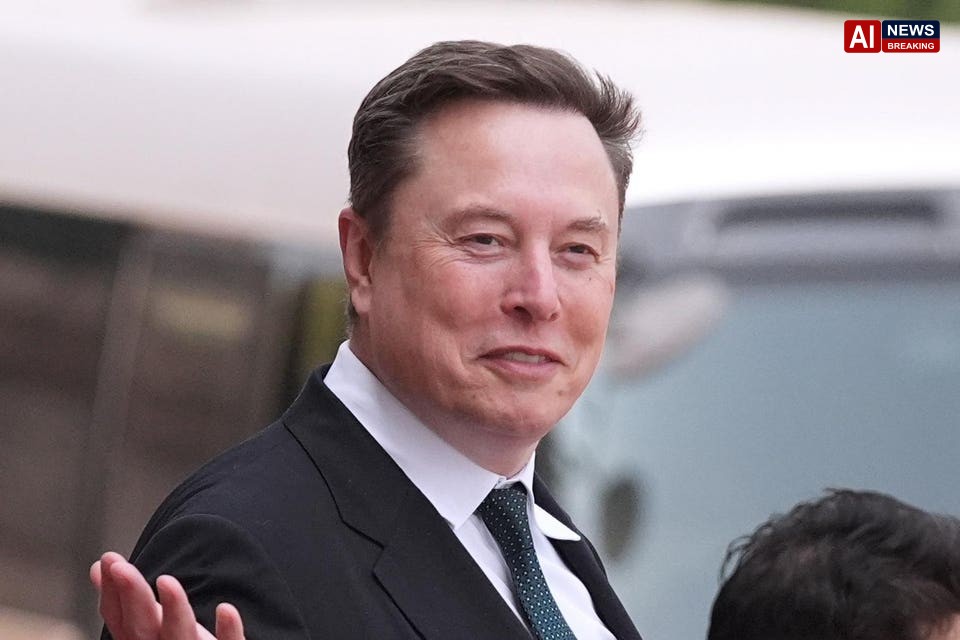
Former Anthropic researcher accuses Musk of downplaying AI risks; Musk responds - AI News Breaking
Jacob Coxon, a former senior researcher at the AI start‑up Anthropic, has re‑emerged on social media to condemn what he describes as a “psy‑op” being orchestrated by Elon Musk and his allies to downplay the existential risks posed by advanced artificial intelligence. In a thread of posts on X that quickly amassed millions of views, Cox — who left Anthropic earlier this year over concerns about the company’s safety practices — accused Musk of trivialising the very real danger that unregulated AI development could pose to humanity. The exchange has reignited a broader debate about the responsibility of tech leaders and the adequacy of existing oversight mechanisms.Musk, who has long positioned himself as a vocal critic of unchecked AI progress, responded to Coxon’s accusations with a mixture of sarcasm and dismissive humor..
In a series of tweets, he labeled the former Anthropic employee’s warnings as “dramatic theatre” and suggested that the anxiety surrounding AI was being deliberately amplified by “the very people who profit from the hype.” The billionaire’s comments were accompanied by a meme featuring a cartoonish robot with a caption that read, “Don’t worry, we’ll only kill you if you ask nicely.” The tone, while light‑hearted on the surface, underscored Musk’s broader strategy of using humor and provocation to deflect scrutiny of his own involvement in AI ventures such as xAI and the development of the GPT‑4‑class competitor, Grok.Coxon’s original warning, posted shortly after his departure from Anthropic, described a scenario in which corporations rush to deploy ever more capable models without sufficient testing, effectively “gambling with our lives.” He cited internal documents that, according to him, showed Anthropic’s leadership downplaying the potential for catastrophic failure in favour of market share and investor expectations. “When you let profit motives drive the deployment timeline of systems that can rewrite code, generate persuasive disinformation, or autonomously make high‑stakes decisions, you are courting disaster,” he wrote. The thread quickly attracted attention from academics, policymakers and AI safety advocates, many of whom shared similar concerns about the speed of development outpacing the establishment of robust safety protocols.The reaction from the wider tech community was split..
Some commentators praised Coxon for speaking out, noting that former insiders are often the most credible source of information about internal risk assessments. Others, however, accused him of sensationalising the issue to gain personal notoriety, pointing out that his claims had not been independently verified. A senior researcher at the Future of Life Institute, who requested anonymity, said, “We have seen a pattern where ex‑employees raise alarms that later prove to be overstated..
That said, the underlying risk is real, and dismissing it outright is irresponsible.”Musk’s retort, while ostensibly humorous, also reflected a deeper strategic narrative he has cultivated over the past few years. By framing AI safety debates as a “psy‑op,” he seeks to cast doubt on the motives of critics, portraying them as part of a coordinated effort to stifle innovation. This approach mirrors his earlier tactics in the cryptocurrency space, where he used a blend of meme culture and market‑moving statements to influence public perception..
Critics argue that such tactics undermine constructive dialogue and may delay the implementation of necessary safeguards.Legal analysts note that Musk’s public statements could have broader implications for ongoing regulatory discussions. In the United States, the Senate is currently deliberating the AI Innovation Act, which aims to establish a framework for risk assessment, transparency and accountability for high‑risk AI systems. If high‑profile figures like Musk continue to trivialise safety concerns, the political momentum needed to pass stringent legislation could be weakened..
“Public perception shapes policy,” said a former congressional aide who works on technology issues. “When a figure with Musk’s reach downplays risk, it can translate into legislative inertia.”Anthropic, for its part, issued a brief statement reaffirming its commitment to safety and responsible development. The company highlighted its internal safety team, which it says follows a “rigorous, multi‑phase evaluation process” before any model is released..
It also referenced partnerships with academic institutions to conduct third‑party audits of its systems. While the statement did not directly address Coxon’s claims, it underscored a broader industry trend of publicising safety measures to reassure both investors and regulators.The episode also brought renewed focus on the role of social media platforms in shaping the AI safety narrative. X, formerly known as Twitter, has become a primary arena for rapid, unfiltered exchanges between technologists, investors and the general public..
Its algorithmic amplification of sensational content means that warnings and mockery alike can spread swiftly, often outpacing nuanced analysis. Media ethicists warn that this environment may foster a “risk‑information paradox,” where heightened visibility of extreme warnings leads some audiences to dismiss the underlying concerns as hyperbole.Amid the back‑and‑forth, a coalition of AI researchers and ethicists released a joint open letter urging both industry leaders and governments to adopt a precautionary approach. The letter, signed by more than 150 experts from institutions such as MIT, Stanford and the Centre for the Study of Existential Risk, called for mandatory impact assessments, transparent reporting of model capabilities, and independent oversight bodies with the authority to halt deployments deemed unsafe..
“The stakes are too high for rhetorical sparring,” the document read. “We need concrete actions, not just public posturing.”As the debate continues, the juxtaposition of Coxon’s earnest warning and Musk’s satirical dismissal highlights a growing fissure within the AI community: a clash between those urging caution and those championing unfettered progress. The outcome of this clash will likely shape not only the trajectory of AI development but also the regulatory landscape that governs it..
What remains clear is that the conversation has moved beyond academic circles and into the public sphere, where memes, headlines and heated commentary will influence how societies grapple with a technology that could redefine the very fabric of human life..
Updated: September 10, 2026
Trivializing existential risk through humor transforms technical oversight into a fragmented culture war, wherein market dominance increasingly dictates the pace of safety innovation. This dynamic risks cementing regulatory inertia, leaving the protection of public interest subordinate to the theatrical battles of tech incumbents.